
Livraison le jour même ou le lendemain

Qualité garantie

Débloquez vos offres de bienvenue: Livraison GRATUITE | Jusqu'à -80 % | 30 jours d'essai gratuits à JoyPlus
Téléchargez l'application
Disposable gloves can be useful in all sorts of situations: preparing food, cleaning, beauty treatments, gardening, light DIY or handling everyday products. But buying in a hurry can soon lead to discomfort, tears or inadequate protection.
Three mistakes are particularly common:
Before ordering nitrile, latex or vinyl gloves, take the time to check the material, size, pack quantity and limits of use.
Nitrile gloves are popular for their flexibility, mechanical strength and lack of natural latex. They’re suitable for everyday cleaning, cooking, beauty treatments, car maintenance and gardening, among other tasks. Styles with textured fingertips make it easier to grip wet objects.
Latex gloves generally offer excellent elasticity and a comfortable feel. They can be suitable for household chores, decorating or jobs that require precision. However, anyone allergic to natural latex proteins should avoid them. It’s also worth checking whether gloves are labelled “powdered” or “powder-free”: powder-free gloves help reduce residue on your hands and surfaces.
Vinyl gloves are generally intended for short tasks that don’t involve much mechanical strain. Available in latex-free versions, they can be suitable for food preparation, household tasks and some light professional work. However, they may not be as flexible or hard-wearing as nitrile gloves.
Sizes S, M and L aren’t exactly the same across all brands. Check the sizing chart on the product page or packaging, then measure the width of your palm, excluding your thumb, if this information is available.
A well-fitting glove should:
For frequent use, nitrile gloves in sizes S, M or L, sold in packs of 100, are particularly practical. For occasional use, a pack of 10 or 20 helps you avoid storing more than you need.
For gloves intended for food contact, check for the relevant label and read the manufacturer’s instructions. This doesn’t mean the gloves are suitable for every temperature, contact time or fatty food.
For cleaning, beauty treatments or light DIY, disposable gloves can provide a practical barrier against dirt. However, highly corrosive products, harsh solvents, sharp objects, flames and high temperatures call for equipment specifically designed to protect against these hazards.
Disposable protective gloves should be replaced as soon as they’re torn or soiled, and after any task that requires you to change environments. Don’t wash, disinfect or reuse them if the product information states that they’re for single use.
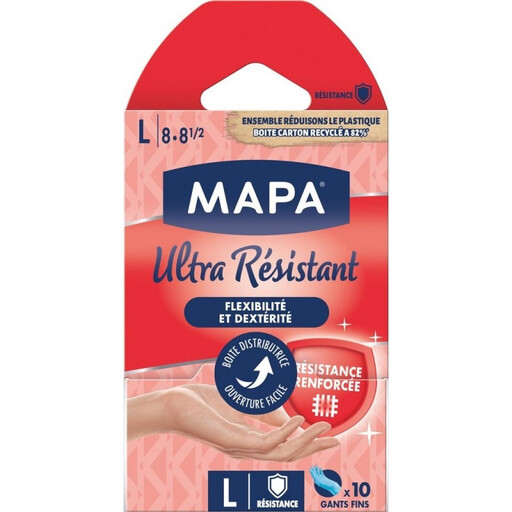
Why this suits you: This small pack in size S is a good way to try nitrile gloves for cleaning, minor repairs and precision work, without building up a large stock.
The nitrile material and textured fingertips help reduce the risk of tearing or slipping during everyday household tasks.
Size S, natural latex-free material according to the product information, textured fingertips and single-use design.
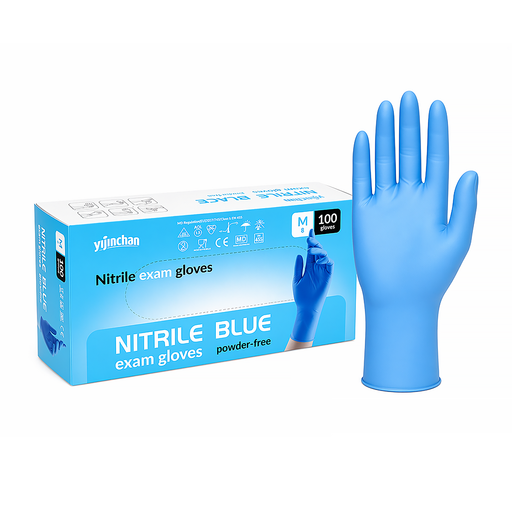
Why this suits you: This pack of 100 gloves is a good choice if you cook often, do beauty treatments at home or want to keep a supply handy for repetitive tasks.
The product information states that these gloves are powder-free and latex-free, helping to limit residue and avoid natural latex for those who need to.
Pack of 100, size L, textured fingertips and stated uses including cooking, cleaning and beauty activities.
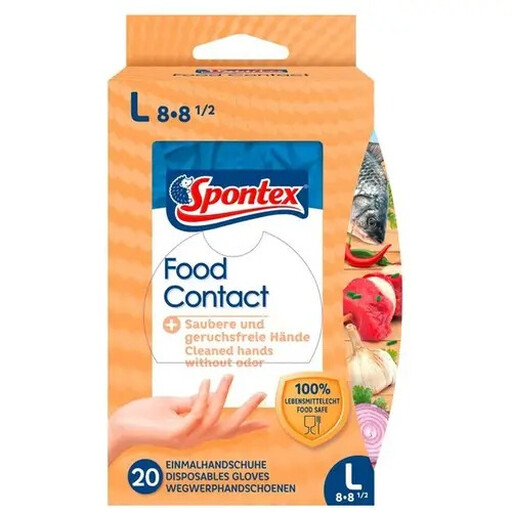
Why this suits you: These gloves are for anyone looking for food-contact gloves in size L for preparing meals, particularly when handling meat, fish or vegetables.
The product information mentions testing by an independent laboratory and compliance for contact with all types of food. However, always check the information on the packaging.
Nitrile and natural latex-free according to the product information, pack of 20 gloves and stated suitability for food contact.
We’ve put together a comprehensive selection, updated in real time, of products that meet these strict selection criteria and European safety regulations.
It depends on the task and the condition of the glove. Replace it if it’s punctured, soiled or damp inside, or after handling something that requires a change of protection. Disposable gloves aren’t designed to be washed and reused.
No. Nitrile’s resistance varies depending on the glove’s thickness, formulation and the product being handled. For concentrated acids, strong alkalis, solvents or hazardous products, check the safety data sheet and choose equipment specifically approved for the substance in question.
Powder-free gloves are generally preferable when you need to avoid residue on your hands, food or surfaces. Powdered gloves may be easier to put on, but they aren’t suitable for every use. Always check the manufacturer’s product information and consider any requirements for food contact or your professional activity.