
Livraison le jour même ou le lendemain

Qualité garantie

Débloquez vos offres de bienvenue: Livraison GRATUITE | Jusqu'à -80 % | 30 jours d'essai gratuits à JoyPlus
Téléchargez l'application
Whether for cleaning, cooking, DIY projects, or professional use, disposable gloves are a part of our daily toolkit. Yet, faced with an overwhelming number of options, it's easy to feel lost and make the wrong choice. A glove that tears at the slightest movement, an unexpected allergic reaction, or simple discomfort can turn the easiest task into a chore.
Before you add to your cart, it's wise to understand the common pitfalls that can lead to buyer's remorse. All too often, people get stuck with a box of 100 gloves that are unusable because of a seemingly minor detail.
Understanding these points is the first step toward making an informed decision and finding the protective glove that's perfectly suited to your needs.
To avoid disappointment, simply focus on three key parameters that determine the performance, comfort, and safety of your gloves.
The choice of material is arguably the number one criterion. It directly impacts flexibility, durability, and potential applications.
There's a right glove for every job. The effectiveness of your protection depends directly on the task at hand.
Two details that may seem minor, but are crucial for comfort and practicality.
To help simplify your decision, we've selected products that meet specific needs, based on the criteria we've just outlined.
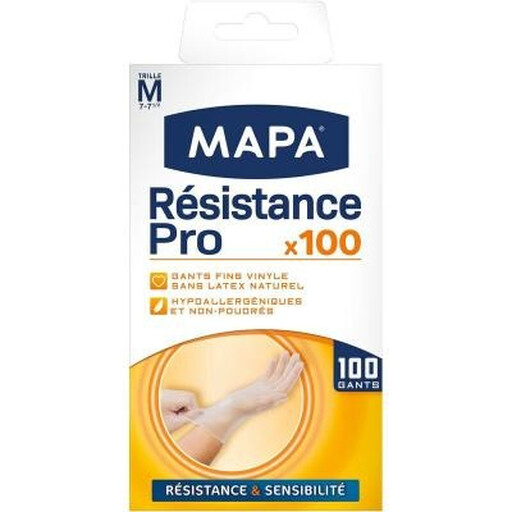
Why we chose it: Ideal for those who cook or have reactive skin. Its vinyl composition eliminates any risk of latex allergy, and being powder-free prevents both food contamination and skin irritation.
This model checks all the right boxes: it is explicitly latex-free and powder-free, making it a safe choice for the most sensitive applications.
Versatility and safety: it's suitable for food contact, cleaning, and light-duty tasks, all while protecting sensitive skin.
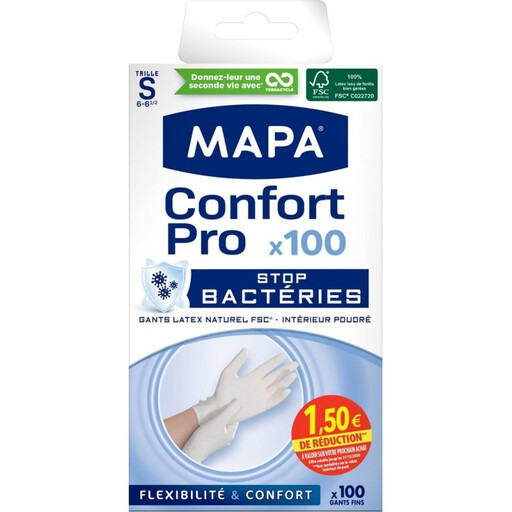
Why we chose it: For household chores that require dexterity, like washing dishes or precision cleaning. The natural latex offers perfect flexibility and fit, while the powdered interior makes them quick to put on.
By relying on natural latex, you avoid the trap of a rigid, uncomfortable material for longer tasks. The precise fit also reduces the risk of tearing.
Comfort and precision: the "second skin" effect of latex allows you to maintain excellent tactile sensitivity, which is essential for detailed work.
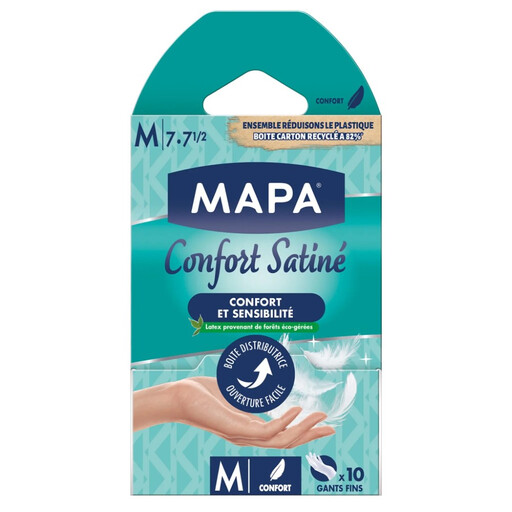
Why we chose it: Perfect for small decorating projects, light DIY, or even at-home hair colouring. The satin finish and silky interior offer superior comfort, while the powder-free formula is a real bonus for delicate hands.
This glove tackles the pitfall of long-term discomfort. Its silky lining and powder-free formula prevent irritation, a crucial point for tasks that require concentration.
Premium comfort: the satin finish and silky interior set it apart from classic latex gloves, making for a much more pleasant experience.
Discover our full selection of products that meet our selection criteria and current regulations.
1. What is the difference between powdered and powder-free gloves? Powdered gloves are coated with a thin layer of cornstarch to make them easier to put on. The catch: this powder can cause irritation or contaminate surfaces and food. Powder-free gloves undergo a surface treatment (chlorination or the addition of a polymer coating) that makes the inside smooth. They are therefore the preferred option for sensitive skin, allergies, and food handling.
2. How do I choose the right size for disposable gloves? Choosing the right size is essential for your comfort and safety. A glove that's too tight is likely to tear, while one that's too loose compromises the precision of your movements. Sizes are usually indicated by letters (S, M, L) which correspond to palm width measurements. For example, a size M often corresponds to a 7/7.5. If in doubt, measure the width of your palm and consult the manufacturer's size guide.
3. Can disposable gloves be reused? No, and it is strongly discouraged. As their name suggests, they are designed for single use only. Washing or re-wearing them can create micro-perforations invisible to the naked eye, which negates their protective barrier and compromises hygiene. Always dispose of them after each use.