
Livraison le jour même ou le lendemain

Qualité garantie

Débloquez vos offres de bienvenue: Livraison GRATUITE | Jusqu'à -80 % | 30 jours d'essai gratuits à JoyPlus
Téléchargez l'application
Drying your face—a harmless gesture? Think again. Wiping your face with your bath towel, which is often damp and shared, can sabotage all your cleansing efforts by transferring bacteria and impurities back onto your skin. This is where the disposable face towel comes in: a promise of hygiene and convenience. But with an overwhelming number of options, how do you navigate the market? This guide breaks down the essential criteria and helps you avoid the common pitfalls to find the product perfectly suited for your skin.
Before you check out, watch out for these two common mistakes that too often turn a good intention into buyer's remorse.
To ensure you make the right decision, two fundamental criteria make all the difference in the quality and effectiveness of a single-use face towel.
The material is the most crucial factor. The best options are generally made of non-woven fabric, a material that combines the softness of cotton with the durability of synthetic fibres.
It's often overlooked, but size is a critical comfort factor. While a small wipe may suffice for a quick touch-up, a full face and neck cleanse requires an XL makeup removal towel, which is far more practical and efficient. It allows you to treat the entire area in a single pass without having to reach for a second towel. Thickness, meanwhile, is a guarantee of absorbency and a comfortable feel. A thicker towel will not only be more pleasant to use but also more effective at absorbing excess water or product.
Because every routine is unique, here are our targeted recommendations, selected based on our quality and hygiene criteria.
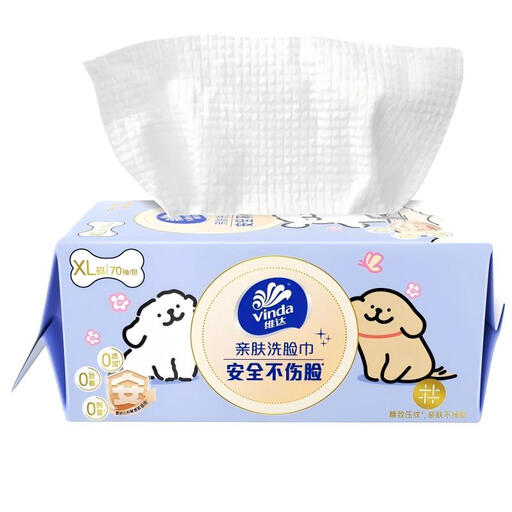
Why we love it: Perfect for those who want a complete and flawless skincare experience. Its generous size and softness make it the ideal companion for post-cleanse drying or removing makeup from delicate skin, delivering a true at-home spa experience.
Specifically designed for the face, it's made from a high-quality material that doesn't shed lint or disintegrate on contact with water, unlike a standard tissue.
Its XL size allows you to cleanse or dry your entire face and neck with a single towel. Comfort and hygiene guaranteed.
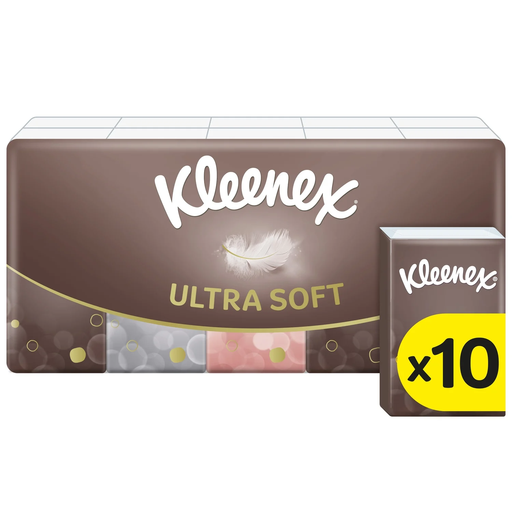
Why we love it: The ultimate on-the-go facial care solution. This pocket-sized pack slips into any bag for a quick touch-up, absorbing excess oil, or fixing a makeup smudge during the day.
Although it's a tissue, its "Ultra Soft" quality makes it much less abrasive than low-end papers. It won't irritate the skin during occasional use.
Its ultra-compact format and resealable pack make it the perfect travel companion to stay fresh and clean in any situation.
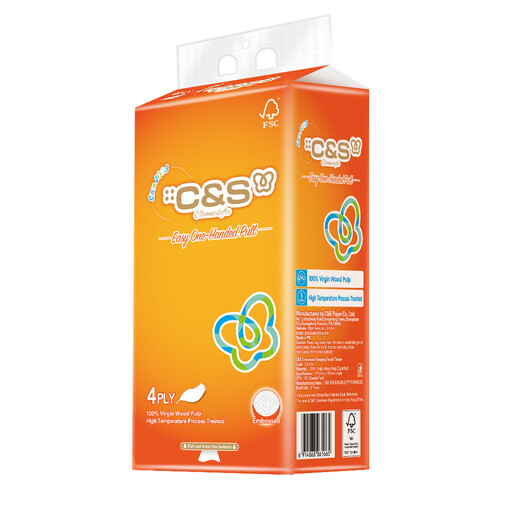
Why we love it: The budget-friendly and versatile option for the whole family. Ideal for wiping hands, drying the face after a quick wash, or for everyday little messes. Its hanging format is a real bonus in a bathroom or kitchen.
Its 4-ply design provides far superior strength and absorbency than a standard tissue. The risk of it tearing on your face is therefore minimal.
The large number of sheets per pack and its FSC Mix 70 % certification make it a smart choice that combines quantity, convenience, and a more responsible approach.
Discover our complete and up-to-date selection of products that meet our quality criteria and safety standards.
1. Can a disposable face towel replace cotton makeup remover pads? Absolutely. A high-quality, large-enough towel is an excellent alternative. It covers more surface area for faster makeup removal, and its single-use nature guarantees perfect hygiene—a major plus for acne-prone skin.
2. How do you use a disposable face towel for makeup removal? There are two schools of thought. Either dry, to gently pat your face after rinsing your cleanser. Or wet: soak it in micellar water, or use it with a cleansing milk or oil to remove makeup before the final rinse.
3. Is this a more eco-friendly option than cloth towels? It's the great debate. On one hand, disposable towels generate waste (although some, certified by FSC, come from sustainably managed forests). On the other, reusable cloth towels require frequent washing, which consumes water and energy. It all depends on your priorities: the impeccable hygiene of single-use or the zero-waste benefit of reusables, with the maintenance constraints that entails.