
Livraison le jour même ou le lendemain

Qualité garantie

Débloquez vos offres de bienvenue: Livraison GRATUITE | Jusqu'à -80 % | 30 jours d'essai gratuits à JoyPlus
Téléchargez l'application
Whether for a party, a picnic, or a professional event, choosing tableware can often be a real headache. With the phase-out of single-use plastics, finding an alternative that is practical, stylish, and environmentally friendly has become crucial. In this context, the disposable bamboo plate emerges as one of the most compelling solutions.
This guide provides everything you need to choose the disposable bamboo tableware that best suits your needs, whether for a private event or professional use.
Before you check out, there are several criteria to consider to ensure you make the right choice.
The plate's diameter is obviously the first criterion to consider. An impromptu picnic plate won't have the same requirements as a plate intended for a main course served at a table.
The term "bamboo plate" actually covers several different products. The most common disposable models are made from bamboo fibre?: this is the pulp of the plant, which is heat-pressed to create tableware that is both rigid and lightweight.
This natural composition makes it a biodegradable plate and, in most cases, compostable. In practical terms, a compostable plate can break down in an industrial or home composter (depending on certifications) to become humus, thus contributing to a more virtuous cycle. This is a major selling point for anyone seeking truly eco-friendly tableware.
Whether you're organising a small family party or a large event, buying bamboo plates in bulk is almost always more cost-effective. Professionals, from caterers to restaurateurs, will benefit from ordering in packs of 50 or 100. This not only allows for better stock management but also significantly reduces the cost per plate.
To guide you, we've selected three bamboo fibre plates that stand out for their size and versatility.
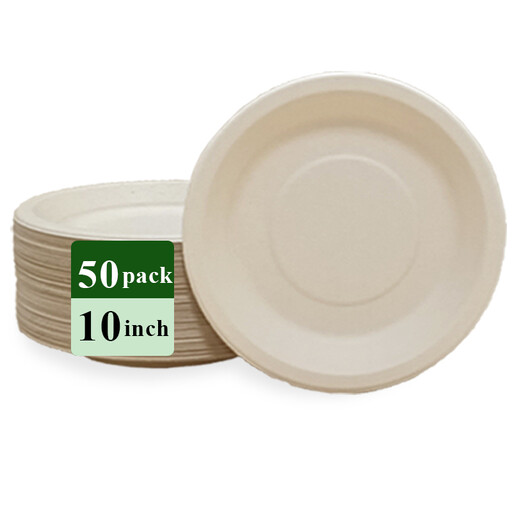
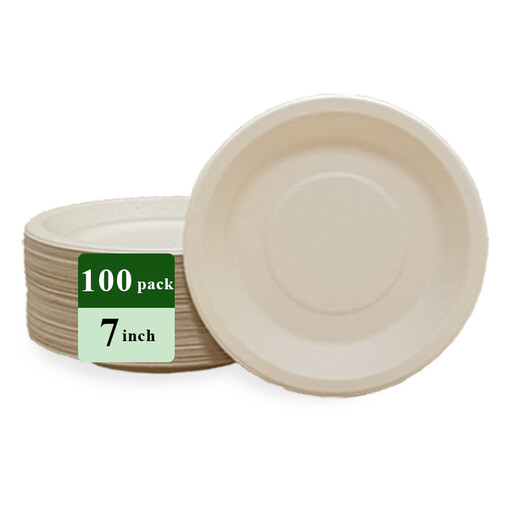
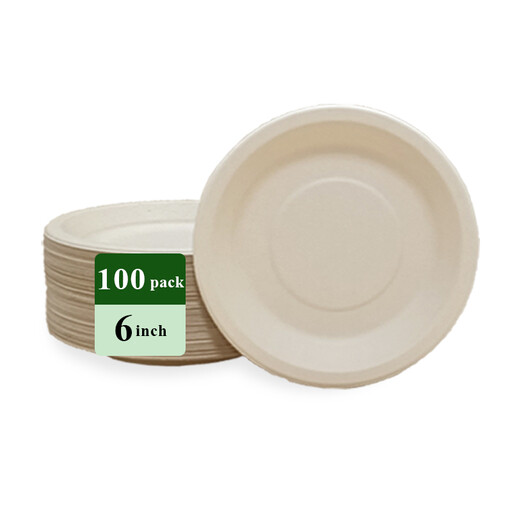
If these sizes don't quite meet your needs or if you want to explore other styles, a much wider range of tableware awaits you.
? Discover our complete collection of outdoor dinnerware sets
Absolutely. The bamboo fibre plate is an excellent eco-friendly alternative for several reasons. First, bamboo is a rapidly renewable resource. Second, these plates are biodegradable and usually compostable. This means they can return to the earth without leaving polluting residues, unlike plastic.
Yes, definitely. This is one of the major advantages of bamboo fibre: its remarkable resistance to heat and moisture. Unlike a standard paper plate, it won't bend or get soggy when in contact with a saucy or very hot dish. This ensures reliability, especially when serving prepared meals.
For a compostable plate, the ideal disposal method is in a compost bin. If you don't have one, check for local biowaste collection points provided by your municipality. As a last resort, it can be thrown away with general household waste. Its decomposition will be slower there, but the environmental impact will still be far less than that of plastic waste.