
Livraison le jour même ou le lendemain

Qualité garantie

Débloquez vos offres de bienvenue: Livraison GRATUITE | Jusqu'à -80 % | 30 jours d'essai gratuits à JoyPlus
Téléchargez l'application
A disinfectant and an antiseptic are not necessarily used for the same purpose. An alcohol-based hand gel is not suitable for a wound, while a disinfectant alcohol for tools should never be applied to the skin. The result: an unnecessary purchase, incorrect use, or irritation.
Before you fill your basket, check three things: the area of application, the active substance, and the contact time stated on the label. This information helps you distinguish between a product intended for hand hygiene, a disinfectant for surfaces and tools, or an antiseptic for minor cuts and grazes.
A wipe can remove visible dirt without necessarily having the same function as a biocidal product. For a surface, check whether the product is designed to clean, disinfect or deodorise, and whether it needs to be left to act for a certain time before being wiped off.
Disinfectant wipes for surfaces should not be used automatically on hands. Some contain agents designed for materials, not for skin.
This percentage means nothing without its context: which micro-organisms are involved, which standard was used, how long the product needs to act, and on which area it can be applied. The EN 1276 standard, for example, evaluates bactericidal activity under specific conditions, while the EN 1650 standard covers yeasticidal or fungicidal activity. As for the EN 14476 standard, it relates to virucidal activity within the framework defined by the manufacturer.
It is therefore better to read the label as a whole than to compare only the figure highlighted on the packaging.
A 70% disinfectant alcohol intended for the skin is not the same as a 90% alcohol designed for equipment. The Mercurochrome 90% product shown here states that it is intended for scissors, thermometers and tweezers, not for disinfecting the skin.
The same caution applies to 10-volume hydrogen peroxide, which can be sold for very different uses. The Mercurochrome reference in this selection is intended for hair and must not be used to disinfect a wound. The Hansaplast solution, on the other hand, is presented as an antiseptic for minor superficial injuries.
Start by determining your need:
This distinction is essential to avoid applying a surface product to the skin, or an antiseptic to equipment that requires a different disinfection method.
For hand hygiene, the products on offer contain ethanol at 61%, 72% or 72.2%, depending on the reference. However, concentration alone is not enough: the amount applied and the duration of rubbing also play a role.
A hand gel must cover the palms, the backs of the hands, the spaces between the fingers and the area around the nails. When the instructions say so, rub until completely dry, without rinsing.
A 75 ml bottle slips easily into a bag, car or wash bag. At home or in the office, a 250 ml pump bottle will be more practical. Wipes are quick to use, but their packaging must be kept properly closed to prevent them from drying out.
Products containing ethanol are flammable. Keep them away from flames, sparks and heat sources. Avoid contact with eyes, do not ingest them, and keep them out of reach of children.
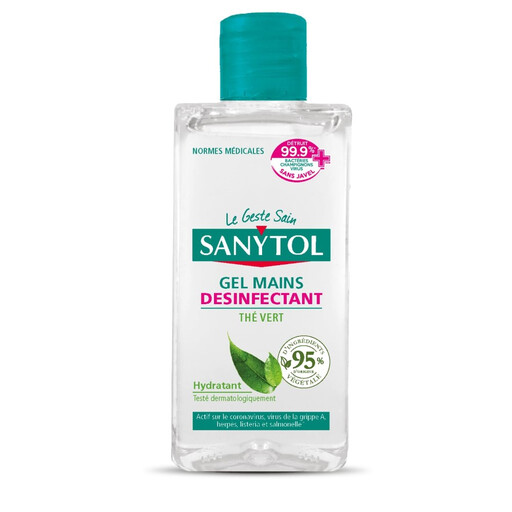
Why this choice suits you: its compact size slips into a bag, car or travel case. The instructions recommend rubbing the hands until dry, without rinsing, for around 30 seconds.
The product page specifies that it is a hand product, not an alcohol intended for tools or surfaces.
75 ml capacity, ethanol stated at 72.2% (m/m) and a texture described as non-sticky.
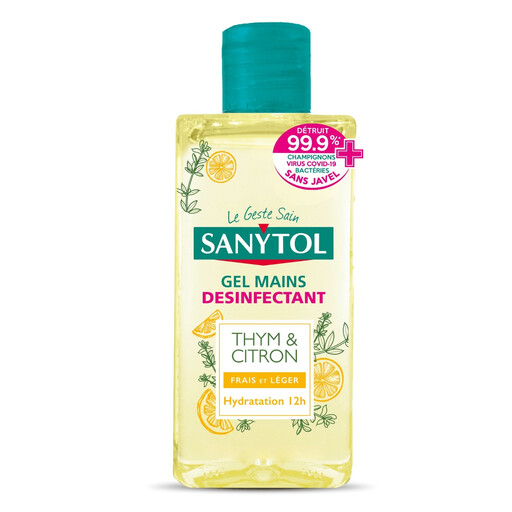
Why this choice suits you: this small bottle combines a claimed fast-drying action with a formula made from 95% plant-derived ingredients, according to the product page.
The instructions specify the area of use, the rubbing time, and prohibit application on damaged or irritated skin.
Ethanol stated at 72%, thyme and lemon fragrance, and a 75 ml format.
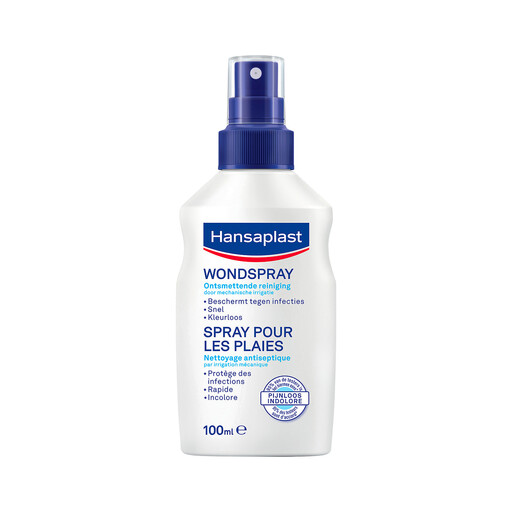
Why this choice suits you: the product is indicated for cleaning cuts, grazes, superficial burns and open blisters.
It does not replace medical advice in the case of a large, painful, weeping wound or one showing signs of infection.
100 ml bottle, solution containing polyhexanide among other ingredients, intended for external cleaning.
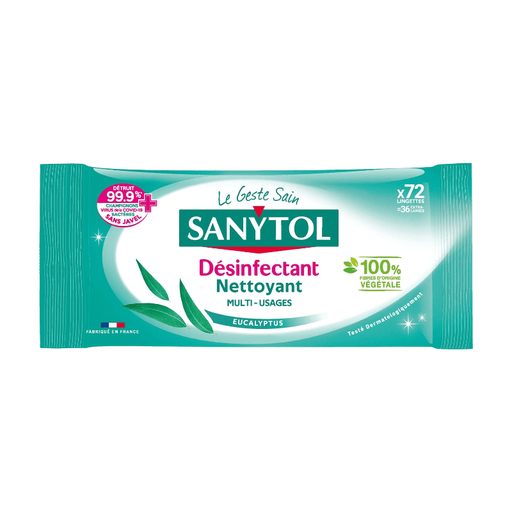
Why this choice suits you: this large format is ideal for repeated cleaning of handles, tables, worktops, keyboards and other compatible surfaces.
For surfaces in contact with food, toys or babies, the instructions specify a 15-minute waiting time, followed by rinsing.
72 wipes, bleach-free formula, plant-derived fibres and an action combining cleaning, disinfection and deodorisation, according to the product page.
We have put together an updated selection of products that meet practical choice criteria and the safety instructions applicable in France.
No. When hands are visibly dirty or greasy, washing with soap and water remains essential. Alcohol-based hand gel can take over when water is not available, provided you follow the quantity and rubbing time stated on the label.
It all depends on the product, its expiry date and the instructions on the packaging. Close gel bottles and wipe packets carefully after each use. A product that has dried out, deteriorated or whose label has become illegible should not be used.
Always check the intended use stated on the bottle. Some references are intended for hair, like the Mercurochrome solution shown here, while Hansaplast hydrogen peroxide is indicated for the hygiene of minor injuries. If in doubt, ask a pharmacist for advice and follow the instructions carefully.