
Livraison le jour même ou le lendemain

Qualité garantie

Débloquez vos offres de bienvenue: Livraison GRATUITE | Jusqu'à -80 % | 30 jours d'essai gratuits à JoyPlus
Téléchargez l'application
Choosing disinfectant products for the home isn’t just about spotting the word “antibacterial” on the label. A bathroom, a toilet, a worktop or a toothbrush all have different needs – and not every formula is suitable for every surface. The wrong product can leave marks, damage a surface, or even become dangerous if mixed with another cleaner.
Before you buy, there are three common pitfalls to watch out for:
For a bathroom disinfectant, choose a formula that’s compatible with tiles, basins, baths, shower screens and taps. A disinfectant cleaner can tackle both dirt and micro-organisms, provided you follow the contact time stated on the label.
Toilets need a product designed for the bowl. A disinfectant toilet gel typically clings under the rim and can tackle stains, odours or limescale depending on its formulation. It should not be used on hands, food-contact surfaces or materials not listed on the label.
For floors and large areas, a concentrated or ready-to-use floor disinfectant can be more practical. Check the dilution ratio, whether rinsing is needed, and whether it’s suitable for varnished parquet, natural stone, laminate or tiles.
A bleach-free disinfectant can be a good choice if you want to avoid chlorine-based agents, especially for regular maintenance of certain surfaces. WC NET wipes, for example, use a formula based on ethanol and didecyldimethylammonium chloride. They are intended for sanitary surfaces and must not be flushed down the toilet.
On the other hand, chlorine-based formulas can be corrosive or irritating. The LA CROIX product in this selection is described as a bleach-based cleaner and is not intended for disinfection. The distinction matters: a whitening product doesn’t necessarily have the same function as a biocide.
Disinfectant alcohol should also be chosen according to its intended use. The 90% Mercurochrome shown for equipment and tools is not for skin use. The 70% Mercurochrome, however, is indicated for skin hygiene. Never use a product outside the category specified on its instructions.
Spraying a product and wiping it off immediately may not give it enough time to work. Always check the label to see how long the product needs to stay in place, whether it needs rinsing, or whether it can be left to air dry.
In the kitchen, a product approved for indirect food contact may still require rinsing with drinking water. In all cases, keep bottles out of reach of children, in a well-ventilated area away from heat sources. Never mix bleach, acids, ammonia or other household products together.
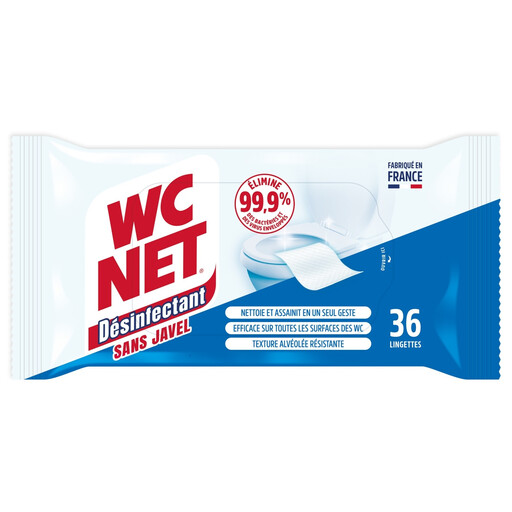
Why this choice suits this profile: With 36 wipes, they’re ideal for quick jobs in the toilet, shower, basin or bath, without needing to prepare any dilution.
The bleach-free formula stops you mistaking it for a chlorine-based product, while the label reminds you to dispose of wipes in the bin.
A ready-to-use format, textured surface and suitability for multiple sanitary surfaces.
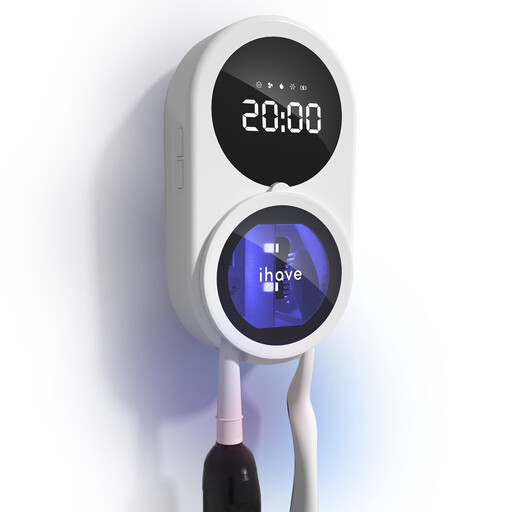
Why this choice suits this profile: This wall-mounted toothbrush sanitizer is designed for households that want to store and dry two toothbrushes in the bathroom.
The holder stops brushes lying around the basin, while the display lets you monitor the device’s operation.
Two slots, a presence sensor, fan drying and a stated 2,000 mAh battery.

Why this choice suits this profile: This large format is ideal for busy families, professional premises and frequent floor and surface cleaning.
The bleach-free formula and dilution instructions reduce the risk of applying a chlorine-based product to an unsuitable surface.
A 5-litre volume, bleach-free formula and references to EN 13697, EN 1650 and EN 14476 standards, according to the product page.
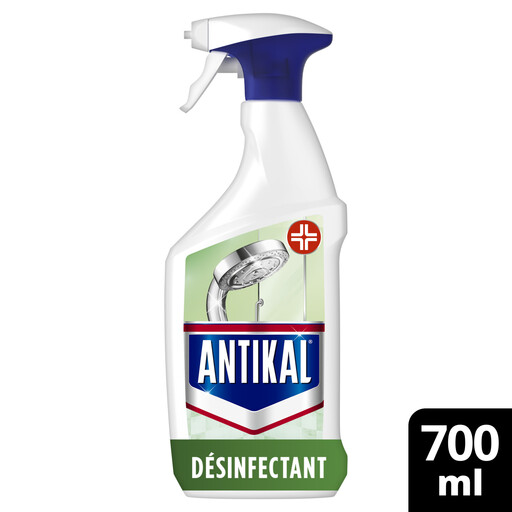
Why this choice suits this profile: This spray is for those who want to regularly tackle limescale, soap scum and everyday bathroom surfaces.
The product page distinguishes the contact time needed for disinfection from that for limescale removal, helping you avoid confusing the two tasks.
A 700 ml format, spray nozzle and suitability for tiles, basins, baths, shower screens and the outside of the toilet.
We’ve put together a full, real-time selection of products that meet these strict criteria as well as European safety regulations.
A spray or wipes designed for sanitary surfaces can work on the basin, shower, bath and the outside of the toilet. To remove limescale, check for an anti-limescale function and make sure the materials are suitable. The contact time stated on the label remains crucial.
No, unless the label clearly states it is intended for human hygiene. An alcohol meant for tools or a surface spray must not be applied to hands or the body. The 70% Mercurochrome and colourless products shown in this selection belong to different categories – use them only as directed on their instructions.
The shelf life depends on the expiry date, batch number and storage conditions stated on the packaging. A sealed bottle kept cool and away from light will last according to the manufacturer’s recommendations. If the product’s smell, colour or texture changes, check the instructions before using it.