
Livraison le jour même ou le lendemain

Qualité garantie

Débloquez vos offres de bienvenue: Livraison GRATUITE | Jusqu'à -80 % | 30 jours d'essai gratuits à JoyPlus
Téléchargez l'application
Between the promises of "kills 99.9% of bacteria", long-lasting fragrances and "all-in-one" formulas, choosing disinfectant products for the home can quickly become a headache. A toilet disinfectant has no place on a worktop, while a product designed for laundry should never be applied to skin.
To help you avoid making the wrong choice, the Joybuy Product Recommendation Officer is here to help you sort through the uses, ingredients and precautions that really matter.
A product can remove dirt, limescale or soap residue without claiming to have a biocidal action. This is particularly true of certain multi-purpose bleaches, designed to whiten and clean, but whose label states they are not intended for disinfection.
Conversely, a bactericidal and virucidal disinfectant must be applied according to specific instructions and a precise contact time. With a spray, wiping the surface immediately can prevent the product from working for long enough.
An acidic or chlorinated toilet gel is formulated for the bowl. On a delicate surface, metal or natural stone, it can cause damage. A bathroom disinfectant spray may be suitable for the sink, tiles or taps, but only if these surfaces are clearly listed on the label.
The same goes for disinfectant wipes: they are very handy for a quick clean, but they don't always replace a thorough clean or the disinfection of large areas.
Never mix bleach with an acidic cleaner, a limescale remover, ammonia or any other household detergent. Toxic fumes can be released. Wear gloves when the label recommends it, ventilate the room and always store products out of reach of children.
Before you focus on the fragrance or the price per litre, start by identifying what the product is for:
A skin antiseptic is not a household disinfectant. Mercurochrome modified alcohol, for example, is intended for skin hygiene, while Hansaplast hydrogen peroxide serves a different purpose. Always rely on the intended use stated on the packaging.
Depending on the formula, you may find sodium hypochlorite, ethanol, benzalkonium chloride or other biocidal substances. However, the mere presence of an ingredient is not enough to determine the product's effectiveness or purpose: concentration, contact time and conditions of use also play a vital role.
To compare two products, look for the indications and standards displayed on the label. EN 1276, for example, corresponds to bactericidal activity, EN 1650 to activity against certain fungi, and EN 14476 to virucidal activity. These references should always be read alongside the instructions for use, as they correspond to specific test conditions.
A 750 ml bottle is usually sufficient for routine toilet or small surface cleaning. In a family home, a 5-litre container can reduce the need for refills, but it takes up more space and requires more careful handling.
For laundry products, look at the recommended dosage per cycle instead. Sanytol in a 500 ml bottle, like its 1-litre version, is poured into the fabric softener compartment, at around 100 ml for a standard load. The real cost therefore depends on the number of washes you can get, not just the price on the shelf.
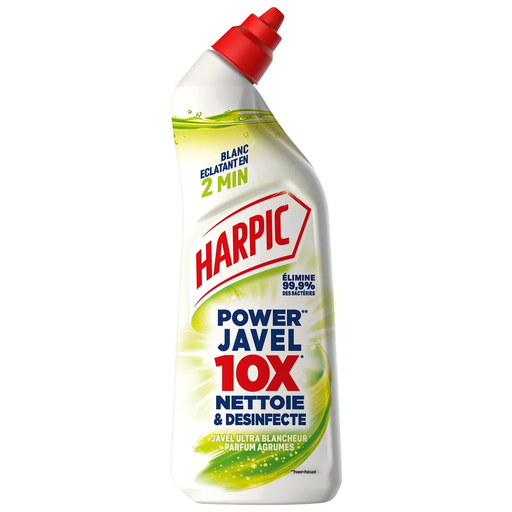
Why this choice suits this profile: With its 750 ml and applicator nozzle, this gel is easily applied under the rim of the toilet bowl, without needing multiple products.
Its purpose is clearly stated: toilets. It is not presented as a disinfectant for surfaces or laundry.
An easy-to-apply gel, a chlorinated formula, a citrus fragrance and a 750 ml format.
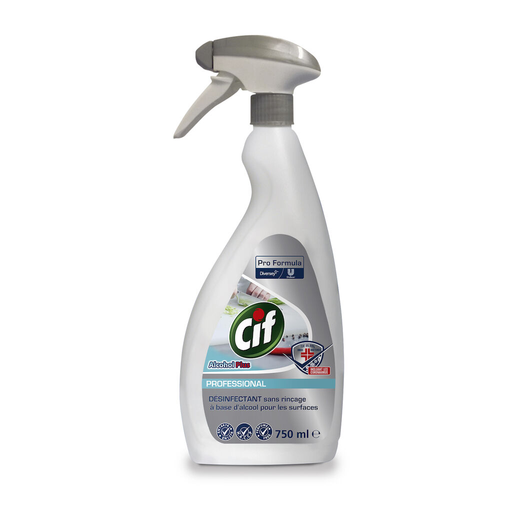
Why this choice suits this profile: Ready to use, this spray is for those who want to treat small surfaces quickly, especially in the kitchen.
The product details state it can be used without rinsing and on surfaces that come into indirect contact with food, provided the stated protocol is followed.
A spray containing 80% denatured ethanol, with claimed bactericidal, fungicidal and virucidal properties.
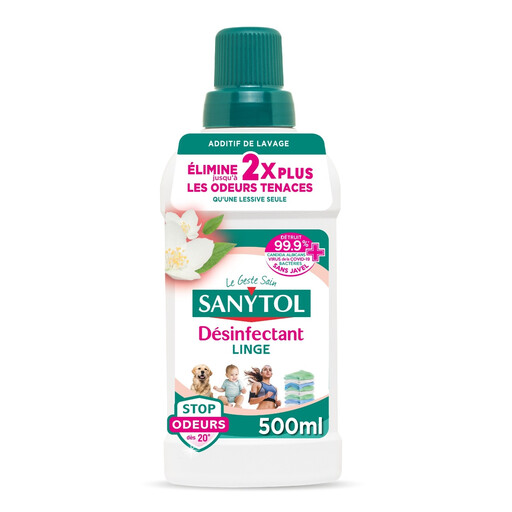
Why this choice suits this profile: This product targets low-temperature washes and persistent odours in laundry or the machine drum.
It is not applied to skin or dry laundry: its dosage and the compartment to use are clearly specified.
Usable from 20°C according to the product details, with a white flowers fragrance and a format suited to regular washes.
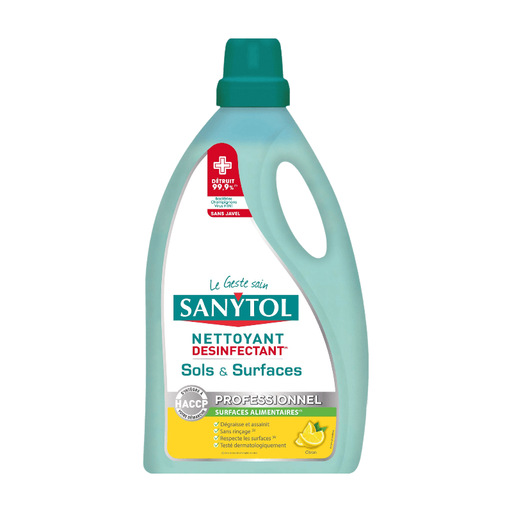
Why this choice suits this profile: With its 5 litres, this container is ideal for families, professional premises and homes with high foot traffic.
This bleach-free formula is designed for floors and surfaces. However, you must follow the dilution instructions and rinse surfaces that come into contact with food.
A large format, a lemon fragrance and claimed European standards for bactericidal, fungicidal and virucidal activity.
We've put together a comprehensive, real-time updated selection of products that meet these demanding criteria and European safety regulations.
A bathroom disinfectant spray is suitable for surfaces approved by the manufacturer, such as tiles, the sink, the bath or the outside of the toilet. To tackle limescale, choose a formula that also claims to have a descaling action and follow the precautions for delicate surfaces.
Some products are designed to be used every cycle, including at low temperatures. However, follow the recommended dosage, check the textile care labels and avoid incompatible fabrics, particularly wool or silk, when the product details do not permit them.
The shelf life varies depending on the formula and packaging. Check the date or instructions on the bottle, keep the product sealed in a cool, dry place and never transfer it to another container.