
Livraison le jour même ou le lendemain

Qualité garantie

Débloquez vos offres de bienvenue: Livraison GRATUITE | Jusqu'à -80 % | 30 jours d'essai gratuits à JoyPlus
Téléchargez l'application
Choosing disinfectant products isn’t simply a matter of picking the bottle with the highest efficacy claim. A surface disinfectant isn’t used in the same way as a hand sanitiser, laundry disinfectant or bathroom disinfectant. The formula, contact time and instructions for use all play a crucial role in the result.
Some mistakes are particularly common, both at home and in professional kitchens, shops and offices:
Start by working out what you need the product for:
For surfaces that come into contact with food, check that this use is specifically stated and whether rinsing with drinking water is required. This is especially important in a family kitchen, bakery, restaurant or commercial catering environment.
The terms bactericidal disinfectant, fungicidal disinfectant and virucidal disinfectant don’t mean the same thing:
EN standards shown on packaging, such as EN 1276, EN 13697, EN 1650 or EN 14476, refer to assessment methods carried out under specific conditions. They don’t remove the need to follow the recommended dose, contact time and approved surfaces.
A bleach-free disinfectant may contain other active substances, such as hydrogen peroxide, ethanol or certain quaternary ammonium compounds. Conversely, a chlorine-based formula may be suitable for whitening and some household uses without being marketed as a disinfectant.
Never mix products, especially bleach with acids or ammonia. Wear gloves if recommended on the label, ventilate the room and keep bottles out of the reach of children. Always read the label and accompanying information before using biocidal products.
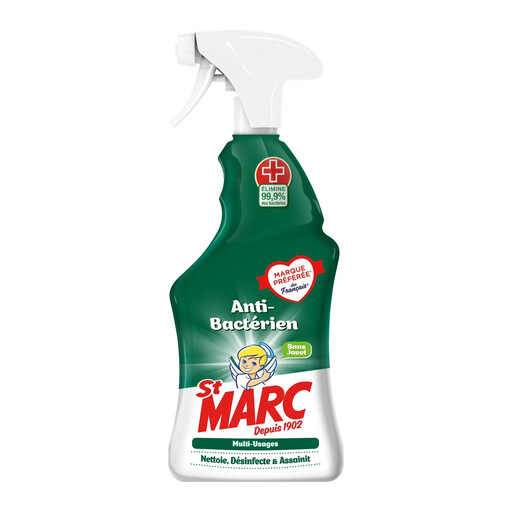
Why it suits this need : This 750 ml spray is handy for everyday jobs on washable surfaces around the home. Its bleach-free formula and lemon fragrance make it a simple, quick-to-use option.
It’s clearly labelled as a surface product, so you’re less likely to mistake it for hand care or laundry disinfectant.
Bleach-free formula, 750 ml spray bottle and benzalkonium chloride in the ingredients.
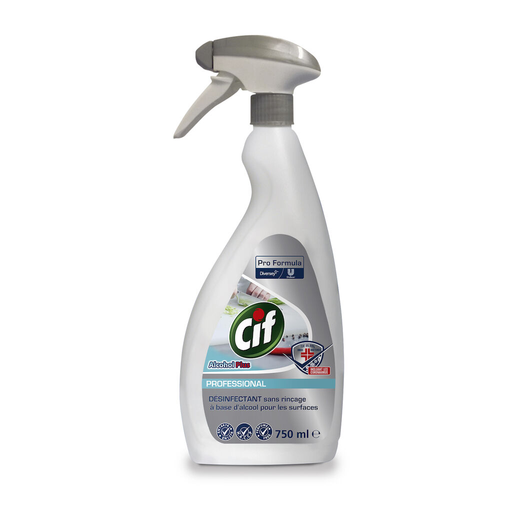
Why it suits this need : This ready-to-use spray is designed for regular disinfection of small surfaces, particularly in kitchens and catering environments.
The no-rinse feature is clearly stated. You still need to follow the contact time shown on the label.
Contains 80 % denatured ethanol and claims bactericidal, fungicidal and virucidal properties in line with the standards cited by the manufacturer.

Why it suits this need : This 5-litre container is well suited to large areas, commercial premises and frequent cleaning where dilution is required as directed on the label.
The larger container means you won’t need to keep buying small bottles, while the bleach-free formula offers a versatile solution.
Lists bactericidal, fungicidal and virucidal uses, and is suitable for food-contact surfaces, provided you rinse as directed.
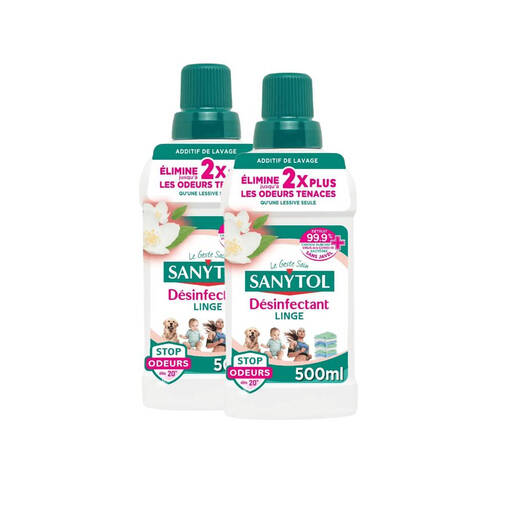
Why it suits this need : Pour this laundry disinfectant into the fabric conditioner compartment. According to the instructions, it’s suitable for short cycles or low-temperature washes from 20 °C.
Its intended use is clearly different from that of a surface disinfectant or hand sanitiser. Don’t pour it directly onto dry laundry.
A one-litre total pack, with a dose of around 100 ml for a standard load and a white-flower fragrance.
A disinfectant is primarily intended to reduce micro-organisms under specific conditions. A disinfectant cleaner combines this action with the removal of dirt. However, check whether the product needs rinsing and which materials it can be used on.
No. “ Bleach-free ” describes the product’s ingredients; it doesn’t mean it’s suitable for every material. Check the list of approved surfaces, the contact time and any restrictions relating to food, toys or textiles.
It depends on the formula, packaging and the manufacturer’s instructions. Keep the product in its original packaging, tightly closed and away from heat. Check the label for the expiry date and storage instructions.