
Livraison le jour même ou le lendemain

Qualité garantie

Débloquez vos offres de bienvenue: Livraison GRATUITE | Jusqu'à -80 % | 30 jours d'essai gratuits à JoyPlus
Téléchargez l'application
With claims such as ‘antibacterial’, bleach-free formulas and wipes described as biodegradable, comparing the options available in France is no easy task. Floor wipes have different requirements from wipes for hands, kitchens or pet accessories.
The right choice depends mainly on three things: the surface you’re treating, the required contact time and the format best suited to the task. Here’s what to check before you buy, along with a selection for different needs.
Wipes can remove dust, greasy marks and dirt without claiming to disinfect. Conversely, disinfectant wipes generally need to keep the surface wet for the contact time stated on the label.
A claim such as ‘kills 99.9% of bacteria’ isn’t enough on its own. Check which micro-organisms the product targets, which standard is quoted, how long it takes to work and how it should be used.
Household wipes, particularly those containing biocidal agents, aren’t intended for use on your hands. They may contain fragrances, surfactants or disinfecting substances that aren’t suitable for use on skin.
For on-the-go hygiene, choose a product clearly labelled ‘hands’ or ‘for use on skin’. For surfaces that come into contact with food, toys, babies or pets, also check whether rinsing is required.
A large pack isn’t necessarily better value if the wipes dry out quickly once opened or each one only covers a small area. The closure, wipe size and absorbency all have a direct impact on how many you use.
Reusable washable wipes can help reduce waste for everyday cleaning. Disposable wipes are still handy when you’re out and about, dealing with a one-off spill or disinfecting a specific area.
For floors, choose mop wipes or floor wipes that are compatible with your flat mop. The dimensions and fastening system should fit the mop head.
Swiffer dry wipes are designed to pick up dust and hair from hard surfaces, including linoleum, vinyl, unwaxed ceramic and some varnished wooden floors. They won’t replace wet cleaning if the floor is stained or covered in sticky residue.
For furniture, worktops and bathrooms, check the restrictions on the product information sheet. Waxed, oiled, unvarnished or porous surfaces may need a different cleaning method.
Disinfectant wipes may cite European standards such as EN 1276, which relates to bactericidal activity, or EN 14476, which applies to certain viruses. These standards don’t mean the product is suitable for every surface or situation.
In particular, check:
A sticky tab or well-designed lid helps prevent the wipes from drying out. For regular use, a pack of 72 or 120 wipes may be more practical than a smaller pack, provided you use them before the stated date.
Plant-based fibres and claims such as biodegradable or compostable don’t mean you can ignore disposal instructions. Even if a wipe is described as compostable, it should never be flushed down the toilet. Used wipes should generally go in household waste, in accordance with the packaging instructions.
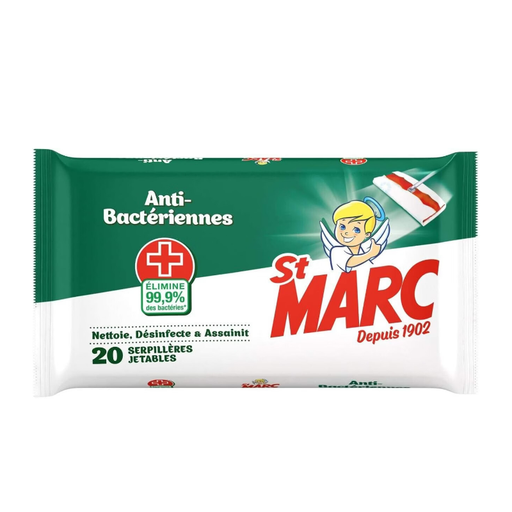
Why it suits this need : With 20 wipes in the pack, you can try them on floors and larger surfaces without committing to a big pack straight away.
The product information clearly states that these wipes are for floors and washable surfaces, with a contact time of 5 minutes for disinfection. They’re not intended for use on skin.
Disposable wipes compatible with flat mops such as Swiffer, plus a bleach-free formula according to the product description.
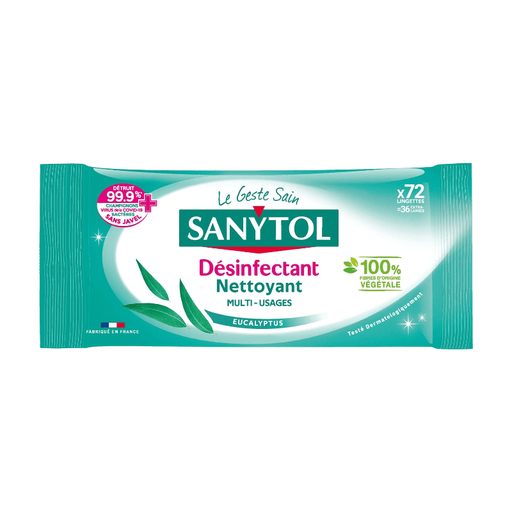
Why it suits this need : This large pack is ideal for households that regularly clean the kitchen, bathroom, door handles and everyday surfaces.
The formula is described as bleach-free, and the product information explains when rinsing is needed, including on surfaces that come into contact with food, toys or pets.
72 wipes, plant-based fibres according to the product description, and a claimed triple action: cleaning, disinfecting and deodorising.
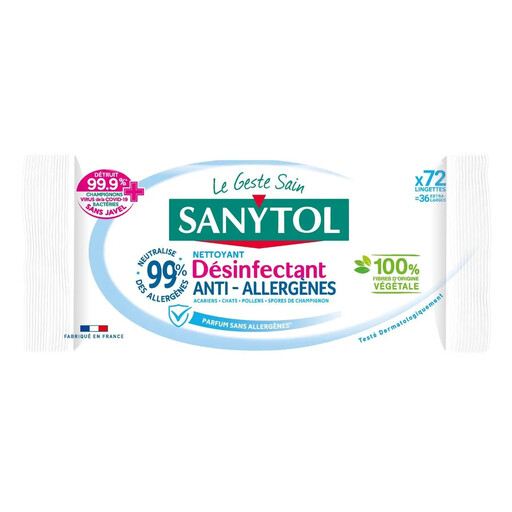
Why it suits this need : Worth considering for households with pets, or for anyone particularly mindful of dust, pollen and dust mites on surfaces.
The product description distinguishes surface use from personal hygiene and explains the precautions to take with toys, food and surfaces that come into contact with pets.
72 wipes described as biodegradable, with a claimed action against household allergens and certain micro-organisms.
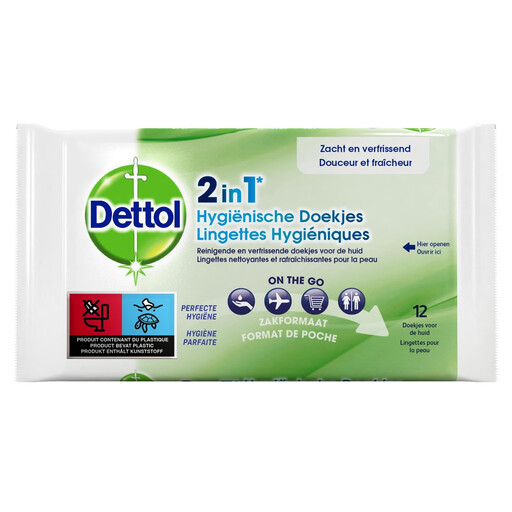
Why it suits this need : The pack of 12 wipes fits easily into a bag for trips, public transport or family outings.
The product information distinguishes these on-the-go wipes from products intended for surfaces and says not to flush them down the toilet.
A pocket-sized pack described as suitable for hands and surfaces, with a resealable closure that should be secured carefully to prevent the wipes drying out.
We’ve selected a comprehensive range, updated in real time, of products that meet these demanding selection criteria and European safety standards.
No. Check the list of compatible materials and any exclusions on the packaging. Oiled or unvarnished wood, some types of stone, screens and surfaces that come into contact with food may need special care or rinsing.
It depends on the expiry date and the condition of the product. Close the lid or resealable tab carefully after each use and store the pack away from heat. Don’t use a dried-out wipe for disinfection when a specific contact time is required.
Reusable washable wipes are suitable for dusting and everyday cleaning, particularly with a flat mop. They don’t automatically disinfect. To disinfect, follow the instructions for the product you’re using and wash the cloth regularly to avoid spreading dirt around.