
Livraison le jour même ou le lendemain

Qualité garantie

Débloquez vos offres de bienvenue: Livraison GRATUITE | Jusqu'à -80 % | 30 jours d'essai gratuits à JoyPlus
Téléchargez l'application
Between a hand sanitiser gel, a 70% disinfectant alcohol, a chlorhexidine-based solution and 10-volume hydrogen peroxide, the uses are not interchangeable. Yet packaging often settles for general promises like “complete protection”, “gentleness” or “fast action”, without always detailing the product’s limitations.
To choose a disinfectant and antiseptic suited to your everyday life in France, focus on four points: the area of application, the composition, the format and the usage instructions. Here are the most common mistakes to avoid, along with a selection tailored to different profiles.
A hand sanitiser gel is generally intended for intact hands, particularly when soap and water are not available. It is not necessarily suitable for a wound, irritated skin or a mucous membrane.
Conversely, a disinfectant solution for the skin may be designed for skin cleansing or minor injuries, but it all depends on what the label specifically states. Applying a hand product to a wound can be particularly unpleasant and may not correspond to the manufacturer’s intended use.
A high alcohol level is not enough to distinguish between two products. You also need to consider the type of alcohol, the friction time, the amount to apply and the complete coverage of the hands. A product marketed as a no-rinse sanitiser must be used until completely dry, paying attention between the fingers and around the nails.
A 70% disinfectant alcohol intended for the skin should also not be confused with a surface product or a flammable liquid meant for household use.
10-volume hydrogen peroxide generally corresponds to a solution containing around 3% hydrogen peroxide. But two products with a similar name can have very different purposes. Some are formulated for the skin, while others are explicitly intended for hair.
So check the product sheet before buying. Also avoid mixing hydrogen peroxide with other chemicals, and protect your eyes, fabrics and sensitive surfaces.
Start by clearly identifying your need:
The mention “for external use” does not automatically mean “apply to a wound”. The manufacturer’s detailed instructions remain the reference.
For biocides intended for human hygiene, look for an indication such as TP1, along with regulatory precautions. Some sheets also reference tests carried out according to European standards, such as EN 1276, EN 1650 or EN 14476. These standards correspond to specific protocols, but their scope depends on the test conditions and the uses claimed on the label.
Efficacy claims should therefore be understood as information specific to the manufacturer’s sheet, and not as a guarantee valid in all situations.
A 50 to 75 ml bottle slips easily into a bag and is suitable for travel or on-the-go use. At home or in the office, a 200 to 250 ml format will generally be more practical. Also remember to check:
A hand sanitiser does not replace washing with soap and water when hands are visibly dirty.
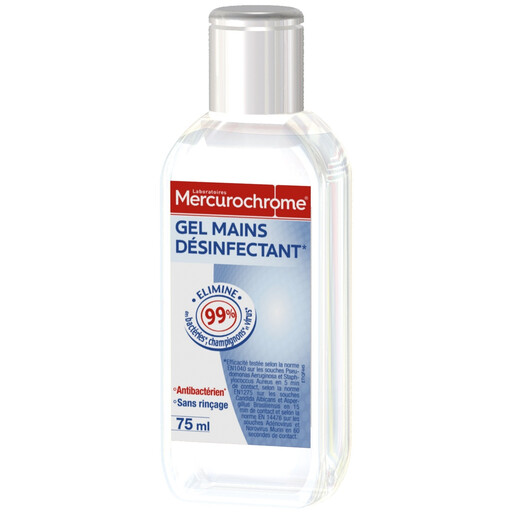
Why this choice suits this profile: With its 75 ml size, this product is ideal for a first purchase, a bag or occasional use on public transport.
The sheet specifies it is intended for hands, no rinse required, with a non-sticky texture and 61% ethanol (m/m).
A 75 ml format, quick drying and no need to rinse according to the instructions provided.
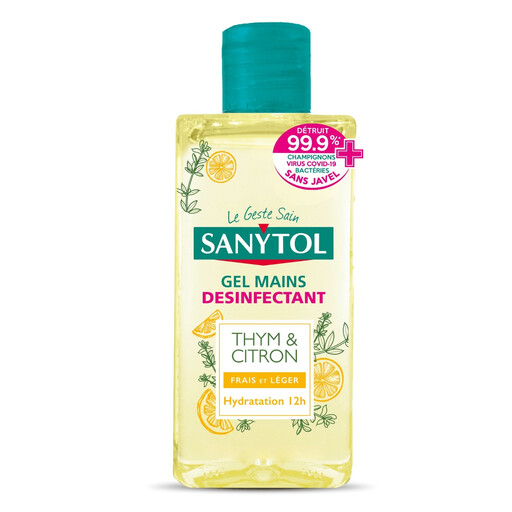
Why this choice suits this profile: This product combines a compact format, a formula said to contain 95% plant-based ingredients and regular use.
The sheet specifies it is a product exclusively for hands, not to be applied to damaged or irritated skin.
An ethanol content of 72%, a friction time of around 30 seconds and a thyme-lemon fragrance.
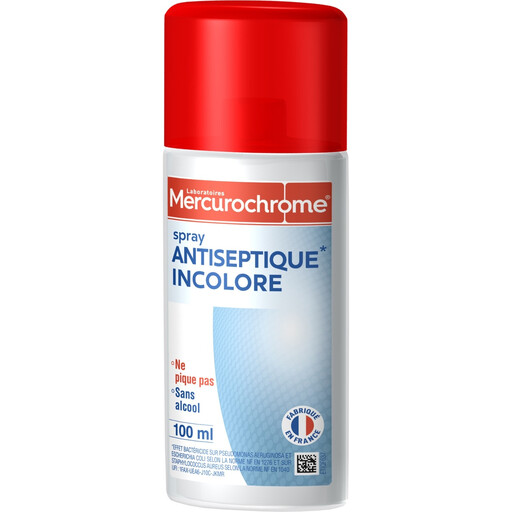
Why this choice suits this profile: Its 100 ml spray format is suitable for people looking for targeted application on the skin, in line with the manufacturer’s instructions.
Unlike a hand gel, it is used as a spray and contains 0.36% (m/m) chlorhexidine digluconate.
A 100 ml colourless solution, with references to EN1276 and EN1650+A1 standards on the product sheet.
We have put together a complete, real-time updated selection of products that meet these demanding criteria and European safety regulations.
With a hand sanitiser gel, apply the recommended amount to dry hands. Then rub your palms, the backs of your hands, between your fingers, your thumbs and your fingertips until completely dry. Do not add water and do not rinse a product specifically marketed as no-rinse.
Store alcohol-based solutions away from flames, sparks and heat sources. Close the bottle after each use and keep it out of reach of children. In case of contact with eyes, rinse thoroughly with water. If irritation occurs, stop using the product immediately.
A hand sanitiser gel bearing the mention no-rinse disinfectant is suitable when hands are not visibly dirty. Follow the friction time and ethanol concentration stated on the label.
Not necessarily. An antibacterial gel may be reserved for intact hands. For a minor wound, only choose a skin antiseptic whose sheet clearly permits application to the affected area.
The shelf life depends on the expiry date and storage conditions stated on the packaging. Heat, sunlight or a poorly sealed cap can alter the product. Before use, check the date, batch number and appearance of the solution.