
Livraison le jour même ou le lendemain

Qualité garantie

Débloquez vos offres de bienvenue: Livraison GRATUITE | Jusqu'à -80 % | 30 jours d'essai gratuits à JoyPlus
Téléchargez l'application
Between surface disinfectant, hand sanitiser gel, antibacterial soap and oral hygiene solutions, the commercial labels can sometimes cause confusion. A product marketed as multi-purpose isn’t necessarily suitable for every surface or every use.
To buy the right disinfectant or antibacterial product in France, start by checking its intended use, contact time, ingredients and the precautions listed on the label.
A disinfectant cleaner can remove dirt while claiming a biocidal action, but cleaning and disinfection remain two separate processes. A heavily soiled surface may need to be cleaned first so the disinfectant can work properly.
The same logic applies to antibacterial wipes intended for surfaces: they must not be used on skin, food or objects that come into direct contact with food, unless the label explicitly states otherwise.
The presence of alcohol, chlorine, chlorhexidine or hydrogen peroxide isn’t enough to determine whether a product meets your needs. Also check:
A spray containing 80% ethanol may be suitable for certain small surfaces, but it remains flammable and must be used in a well-ventilated room.
Hydrogen peroxide doesn’t have a single purpose. The MERCUROCHROME 10-volume solution (3%), as shown in the product listing, is intended for external use on hair for bleaching. It must not be used to disinfect a wound.
Conversely, a skin antiseptic or hand sanitiser gel isn’t suitable for cleaning a worktop, floor or bathtub. The term “antibacterial” never excuses you from reading the instructions for use.
Start by identifying exactly what you need:
Some products need to be left to work for several minutes before being wiped off or rinsed. ST MARC wipes, for example, state a five-minute action time in their listing. CIF Pro Formula spray is advertised as requiring no rinsing for its intended uses, but a surface that comes into contact with food may need a specific procedure.
Always follow the time stated by the manufacturer. Wiping the product off immediately can reduce its effectiveness.
Read the list of ingredients and warnings before you buy. Alcohol-based formulas are flammable. Chlorine-based products can irritate the eyes and skin; they must never be mixed with other cleaners. Fragrances and certain preservatives can also cause reactions in sensitive individuals.
For professional use, check the pack size, compatibility with your hygiene protocol and the regulatory information on the packaging. As with any biocidal product, follow the usage precautions and consult the label before each use.
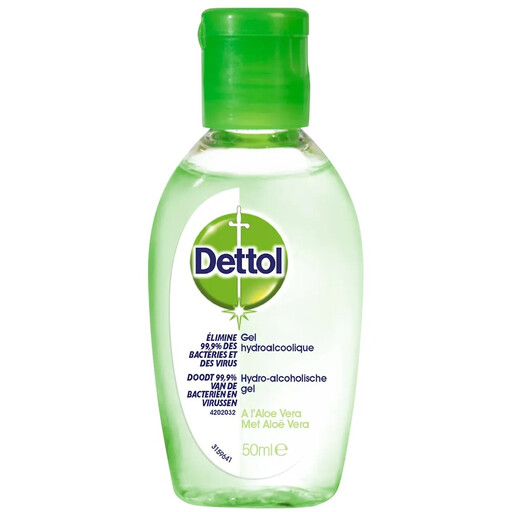
Why this product suits you: With its 50 ml bottle, it slips easily into a bag or pouch when soap and water aren’t available.
The listing mentions a 62% ethanol formula and no-rinse use. However, the gel does not replace hand washing and must be kept away from flames.
A compact bottle, an aloe vera-enriched formula and a stated friction time of around 60 seconds.
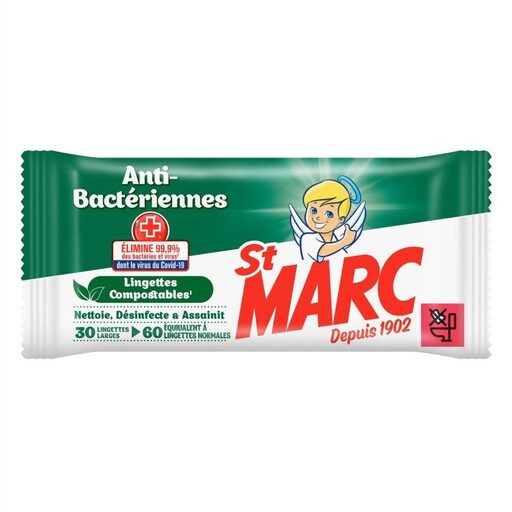
Why this product suits you: These wipes are for anyone who wants to quickly clean washable surfaces at home, in the office or in a shop.
The listing restricts them to washable surfaces and explicitly excludes skin, food and objects in direct contact with food.
A pack of 30 wipes, a closure that limits drying out and a stated action time of five minutes.

Why this product suits you: Its large size is ideal for regular maintenance of floors and surfaces in a home, professional kitchen or shop.
The listing directs you to the label for dilution, contact time and rinsing instructions for surfaces that come into contact with food.
A bleach-free formula, a 5-litre container and references to standards EN 13697, EN 1650 and EN 14476 in the product listing.
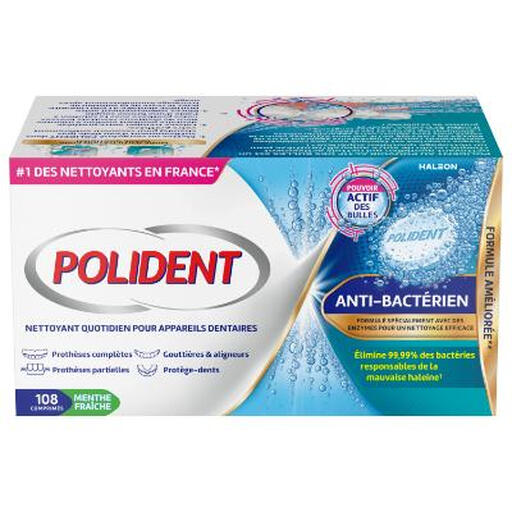
Why this product suits you: This format is ideal for the daily care of a partial or full denture.
The solution is explicitly intended for soaking, and the appliance must be rinsed before being put back in the mouth. It must not be used as a mouthwash.
A pack of 108 tablets, a stated soaking time of three to five minutes and a four-agent formula.
We’ve put together an updated selection of antibacterial products for different hygiene, cleaning and disinfection needs.
Washing with soap and water remains the go-to solution when hands are visibly dirty. Hand sanitiser gel is mainly a backup option when running water isn’t available. Check the alcohol content, the amount to apply and the friction time stated on the packaging.
No. Some products are suitable for tiles, sinks, bathtubs or shower screens, but can damage more delicate materials. Stick to the surfaces listed, the contact time and the rinsing instructions. Never mix a chlorine-based product with another cleaner.
The expiry date, batch number and storage conditions are shown on the packaging. Close bottles after each use and store them away from heat, sunlight and children. If the product’s appearance, smell or packaging has changed, do not use it without first checking that it is still safe.