A household with plenty of daily meals
Several people use plates, glasses and utensils every day. You need to be able to wash up after meals without letting the dishes pile up or running another cycle unnecessarily.


For several people who cook every day, a standard dishwasher is worth considering first if your kitchen can accommodate one and its racks suit the dishes you actually use. A compact model may be a better fit if space is very limited or you usually have smaller loads, but its capacity could mean running more cycles. Compare models by their eco programme, water and electricity use, cycle duration, noise level and the repairability index for the exact model, then check that it can be installed in your kitchen.
Several people use plates, glasses and utensils every day. You need to be able to wash up after meals without letting the dishes pile up or running another cycle unnecessarily.
The space available may determine whether you choose a standard, slimline, integrated or worktop model. Your measurements, available space and drainage will determine which options are suitable.
If you use your dishwasher regularly, it’s worth comparing the eco programme figures, noise level and repair options for the model you choose.
Start by checking the load capacity and available space, then compare energy and water use, cycle duration, noise level and repairability for the exact model.
| Feature | What to check | Who is most likely to prioritise it? |
|---|---|---|
| Usable capacity | Compare the stated number of place settings and the rack layout with a typical load, especially for dishes and saucepans. | When meals and utensils pile up every day, I want to fit in a full load without having to run the machine again. Around 31% of consumers prioritise capacity for large daily loads. |
| Space and installation | Measure the width, height and depth, as well as the door clearance; check the space available and access to the water supply, drainage and electricity. | If my kitchen has a specific space for the dishwasher, I want to know which type of installation will fit and how the appliance will be connected. Around 25% of consumers put compatibility with their kitchen at the top of their list. |
| Eco cycle | On the energy label, compare kWh per 100 eco cycles, litres per cycle, cycle duration and capacity. ADEME and the European Commission present these figures using defined criteria for the eco programme. | For regular washing, I want to compare resource use without confusing the eco programme with other cycles. Around 19% of consumers prioritise water and electricity use, as well as cycle duration. |
| Noise | Compare the noise level in dB and the noise class listed for each model, especially if your kitchen opens onto your living space. | In an open-plan kitchen, I want to consider the noise during everyday cycles. Around 13% of consumers make low noise their top priority. |
| Repairability | Check the repairability index out of 10 for the exact model, the criteria used and the terms of the warranty and installation. | If I plan to use the appliance regularly, I want to look into repair information and possible costs after purchase. Around 12% of consumers prioritise repairability and long-term costs. |
The stated number alone doesn’t tell you how much room there is for saucepans, containers and large dishes.
Before choosing a standard, slimline or compact model, compare the rack layout with the dishes you usually use.
Large dishes that take up a lot of space may mean you need to run more cycles.
The standardised figures on the label relate to the eco programme; cycle duration and the programme you use also affect how you organise your washing.
Compare models on the same basis and check that the eco cycle duration suits your routine.
For the Bob model documented by Daan Tech, the tank can remove the need for a fixed water supply, but waste water still needs to be drained through a hose.
Plan the drainage route and check the instructions and accessories for the exact model.
The index provides information about repair criteria; it doesn’t guarantee that the appliance won’t break down or that repairs will always be covered.
Check the criteria used for the model’s index and distinguish between the legal guarantee, a commercial warranty and installation services.
The SMS4EVW36F is a 60 cm freestanding model; Bosch also offers separate fully integrated models.
The BDFN15D431W is an example of a 60 cm freestanding dishwasher with a stated capacity of 14 place settings.
The W3PFD636W is a semi-integrated model with a stated capacity of 14 place settings.
The freestanding range includes 60 cm models and at least one 45 cm freestanding model.
The compact Bob eco model is designed for smaller loads when space is limited, rather than households looking for a large tub.
These models cover a range of household needs, with freestanding and integrated installation options and stated capacities suited to regular loads.
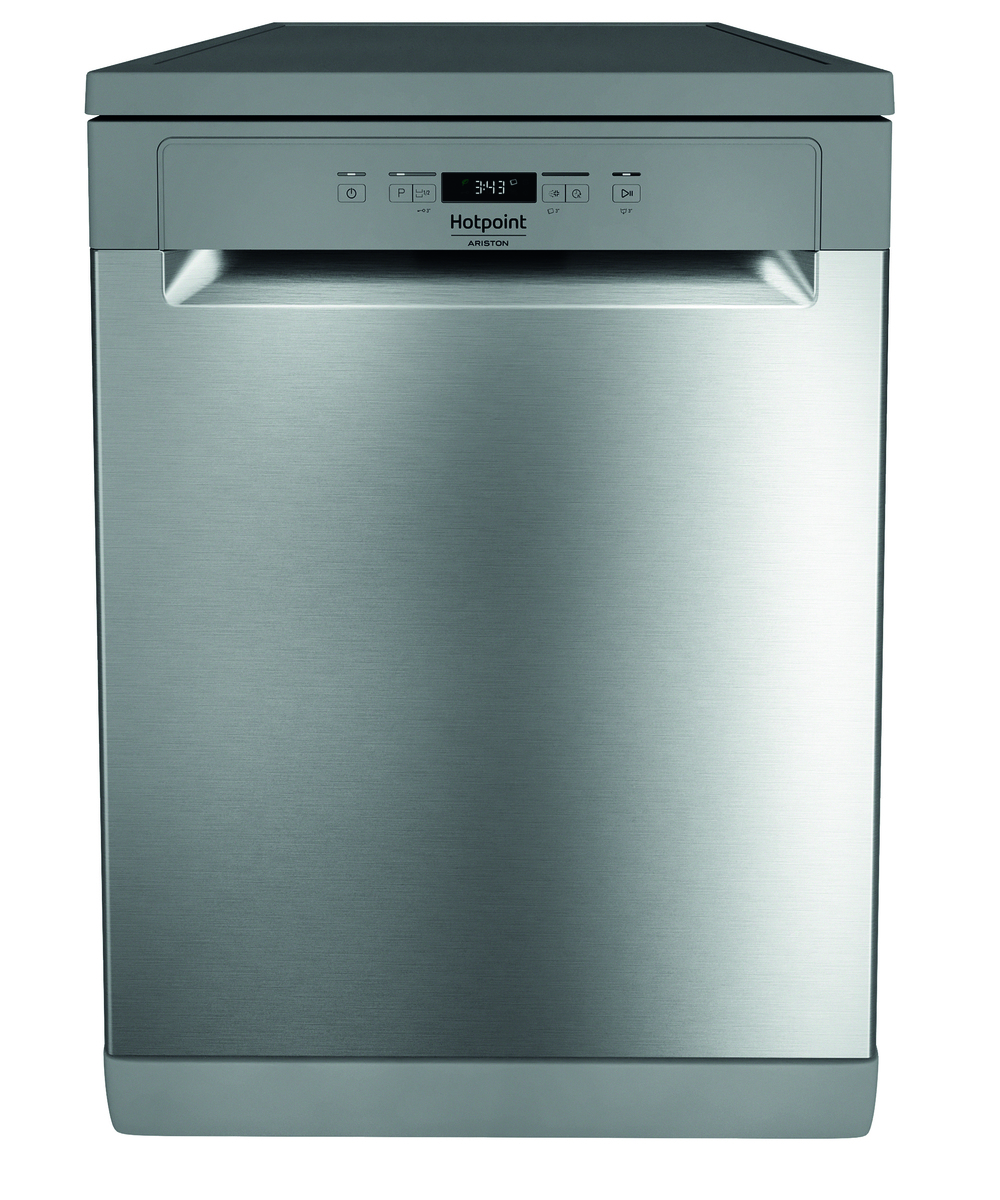 Image unavailable
This freestanding model is designed for regular household loads.
Stated capacity: 14 place settings; daily Push&Go cycle: 85 minutes; eco cycle: 9.5 l; noise level: 41 dB.
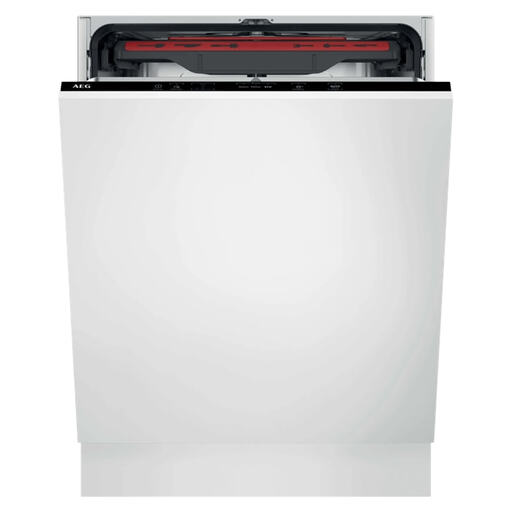 Image unavailable
Its fully integrated design is suitable for a kitchen with a compatible space for installation.
Stated capacity: 14 place settings; five programmes, including Eco and Automatic; eco cycle: 10.5 l; noise level: 44 dB.
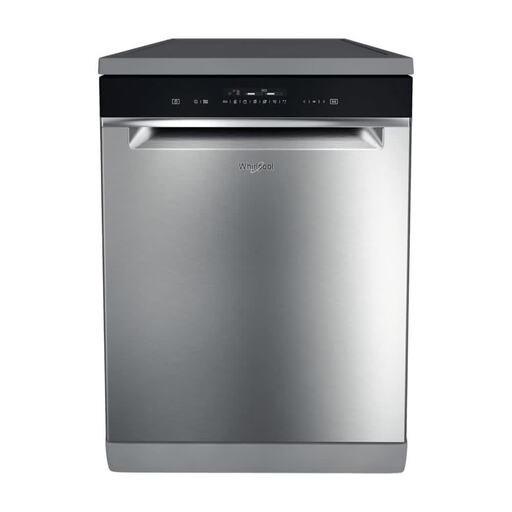 Image unavailable
This freestanding model is designed for regular loads in a kitchen suited to this type of installation.
Stated capacity: 14 place settings; 11 programmes; eco cycle: 9.5 l and 0.748 kWh; noise level: 41 dB. The description also mentions an adjustable upper rack, a third cutlery drawer and a half-load option.
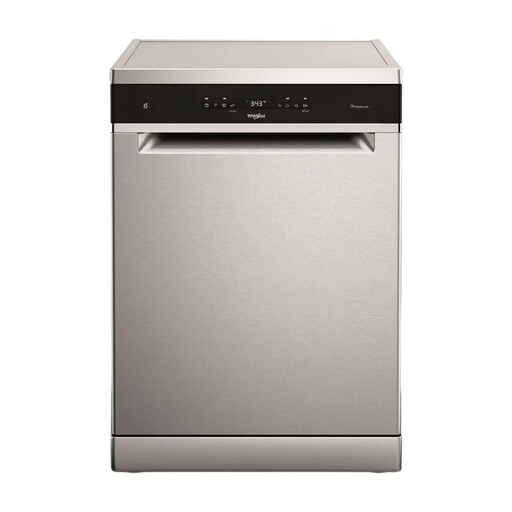 Image unavailable
This freestanding model is designed for regular dishwasher loads.
Stated capacity: 14 place settings; the description mentions a third cutlery drawer.
 Image unavailable
This freestanding model is designed for households that use their dishwasher regularly.
Stated capacity: 14 place settings; six programmes, including Eco, Intensive and Push&Go; Push&Go cycle: 85 minutes; stated cycle water use: 9.5 l.
Compare the kWh per 100 eco cycles, litres per cycle, duration, capacity and noise level listed for each model. These energy label figures don’t guarantee the same consumption with other programmes or different loads; ADEME and the European Commission set out the basis for comparing eco cycles.
For the Bob described by Daan Tech, the tank can remove the need for a fixed water supply, but a hose is needed to drain waste water into a sink or suitable drainage system. For any other model, check the instructions and the manufacturer’s installation requirements.
No. Depending on your circumstances, you’ll also need to consider installation, water, electricity, detergent, salt, rinse aid and maintenance. Ask the retailer what’s included in the services on offer rather than assuming installation is included.
The legal guarantee of conformity applies to goods sold by a trader to a private individual, and any claim must be made to the seller. For a new item, the French Ministry of the Economy states that claims must be made within two years of delivery. A commercial warranty or installation service is separate from this legal right.
Yes. Dishwashers covered by the requirement must display a repairability index out of 10, including when sold online. The French Ministry of the Economy and the DGCCRF recommend checking the score and its criteria for the exact model; the index doesn’t guarantee that the appliance won’t break down.