First, choose a dishwasher that suits the space: an integrated model needs a compatible housing unit and door panel, while a freestanding model can only go under a worktop if its top is removable. Then measure the space and check the connections before comparing capacity, noise levels and the energy consumption figures on the energy label.
Which setup is right for you?
Households looking for a seamless kitchen finish
If you want to hide the appliance behind a door panel that matches your units, compare fully integrated models, with controls hidden when the door is closed, and semi-integrated models, with a visible control panel. Que Choisir points out that both types need a housing unit.
Households replacing an appliance in an existing space
If you’re replacing an appliance without changing your kitchen layout, check the available dimensions and access to water, drainage and electricity. If you’re considering putting a freestanding model under the worktop, Que Choisir recommends confirming that its top is removable.
Smaller households or kitchens with limited space
A 45 cm-wide or compact model may suit a tight space, as long as its capacity is right for the amount of washing up you need to do. The compact models covered by Que Choisir hold fewer place settings than slimline 45 cm appliances.
What should you check before choosing?
Start by checking whether your kitchen has a housing unit and door panel for an integrated model, or a space where the appliance will remain on show. Then compare the capacity and usage figures of models that can actually be installed in your home.
| Consideration |
What to check |
What matters to consumers |
| Housing unit and door panel |
Measure the housing unit and planned door panel; check their dimensions and the door fixing against the model’s instructions. |
If I want a door panel to match my kitchen units, compatibility matters just as much as the space available. Around 33% of consumers would put this seamless integration at the top of their list. |
| Space and capacity |
Compare the appliance dimensions with the available space, then check the number of place settings against the amount of washing up you need to do. |
In a small kitchen, I want an appliance that fits without choosing a capacity that’s too small for my needs. Space and usable capacity would be top priorities for around 25% of consumers. |
| Installation and connections |
Check the water supply, drainage and electrical supply; if installing a freestanding model under a worktop, confirm that its top is removable. |
If I’m reusing an existing space, I need to be able to install and connect the appliance without finding out too late that a fitting is missing. This practical consideration would come first for around 25% of consumers. |
| Energy use and noise |
On the energy label, compare figures that are relevant to you: kWh per 100 cycles, litres per cycle and noise level in dB. |
In an open-plan kitchen, I pay attention to noise as well as water and electricity use. Around 17% of consumers would make these figures their main priority. |
According to ADEME, the energy consumption figures shown on the label are based on reference cycles. They let you compare appliances on a like-for-like basis, but don’t replace checking whether a model can be installed in your kitchen.
Mistakes to avoid
-
Choosing an integrated model before checking the door panel
The housing unit may be the right size, but that’s not enough if the planned door panel isn’t compatible with the dishwasher’s fixing system. You’ll also need to take the panel and plinth into account when planning the installation.
Before ordering, check the permitted dimensions and weight of the door panel, its fixing system and what’s included in the installation service.
-
Assuming every freestanding model will fit under a worktop
According to Que Choisir, this installation requires a model with a removable top. Even when fitted under a worktop, a freestanding model still has its own finished exterior; it isn’t designed to take a kitchen door panel.
Check that the product is described as having a “removable top”, then check the appliance height with the top removed and the clearances specified in the instructions.
-
Choosing a slimline model without checking its capacity
A smaller appliance holds less washing up, which may mean running cycles more often, depending on how much you need to wash.
Compare the number of place settings with the space you actually have, rather than relying on the stated width alone.
-
Looking only at the energy rating
The label also shows water consumption per cycle, the Eco programme duration and the noise level. Noise is particularly worth considering if your kitchen opens onto a living area.
Compare these figures across models with a capacity that meets your needs, paying particular attention to the noise level in dB if you have an open-plan kitchen.
Brands to consider
There are no brands to feature in this section.
Dishwashers available on Joybuy
This selection includes integrated dishwashers for kitchens with a suitable housing unit and door panel, as well as a freestanding model designed to remain on show. Check the installation requirements for each model before choosing.
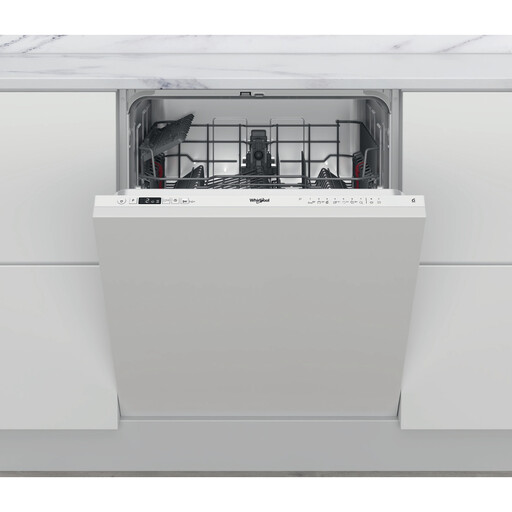 Image unavailable
Whirlpool W2I HD526 A, fully integrated, 14 place settings
Worth considering if your kitchen has a housing unit and door panel for a fully integrated dishwasher.
Stated width of 60 cm; energy rating E. Check the installation dimensions and door panel fixings in the instructions, then refer to the energy label for consumption figures.
View on Joybuy
 Image unavailable
Samsung DW80H72YBB0U1, integrated, 13 place settings
Worth considering for a fitted kitchen with a housing unit and door panel.
Stated width of 60 cm; energy rating B. Confirm the installation dimensions and door panel compatibility. To compare noise levels, use the figure for the programme you’re interested in.
View on Joybuy
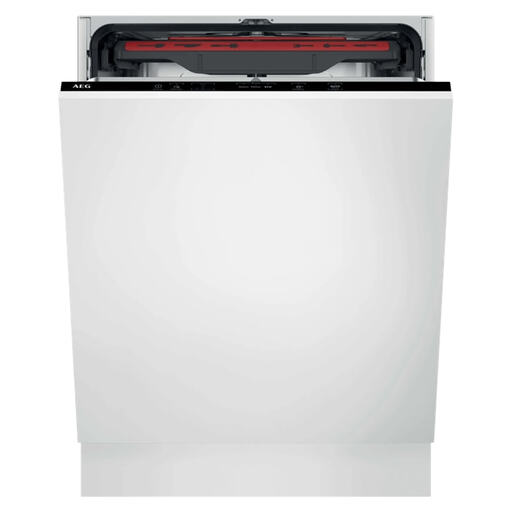 Image unavailable
AEG FSB34707Z, fully integrated, 14 place settings
This fully integrated model is designed for a kitchen with a compatible housing unit and door panel.
Energy rating C. The dimensions listed for this model don’t match its stated width of 60 cm. Before deciding, confirm the exact dimensions, clearances and door panel fixings.
View on Joybuy
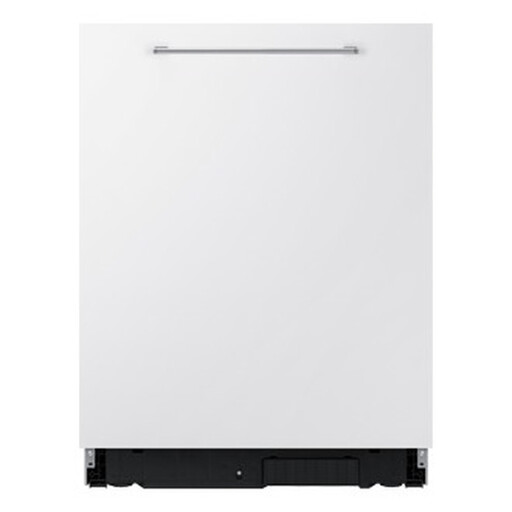 Image unavailable
Samsung DW70H72WCB0U1, integrated, 13 place settings
Worth considering if you want to conceal your dishwasher behind a kitchen door panel.
Stated width of 60 cm; energy rating C. Check the housing unit dimensions, whether the sliding door is compatible with your door panel, and the consumption figures on the energy label.
View on Joybuy
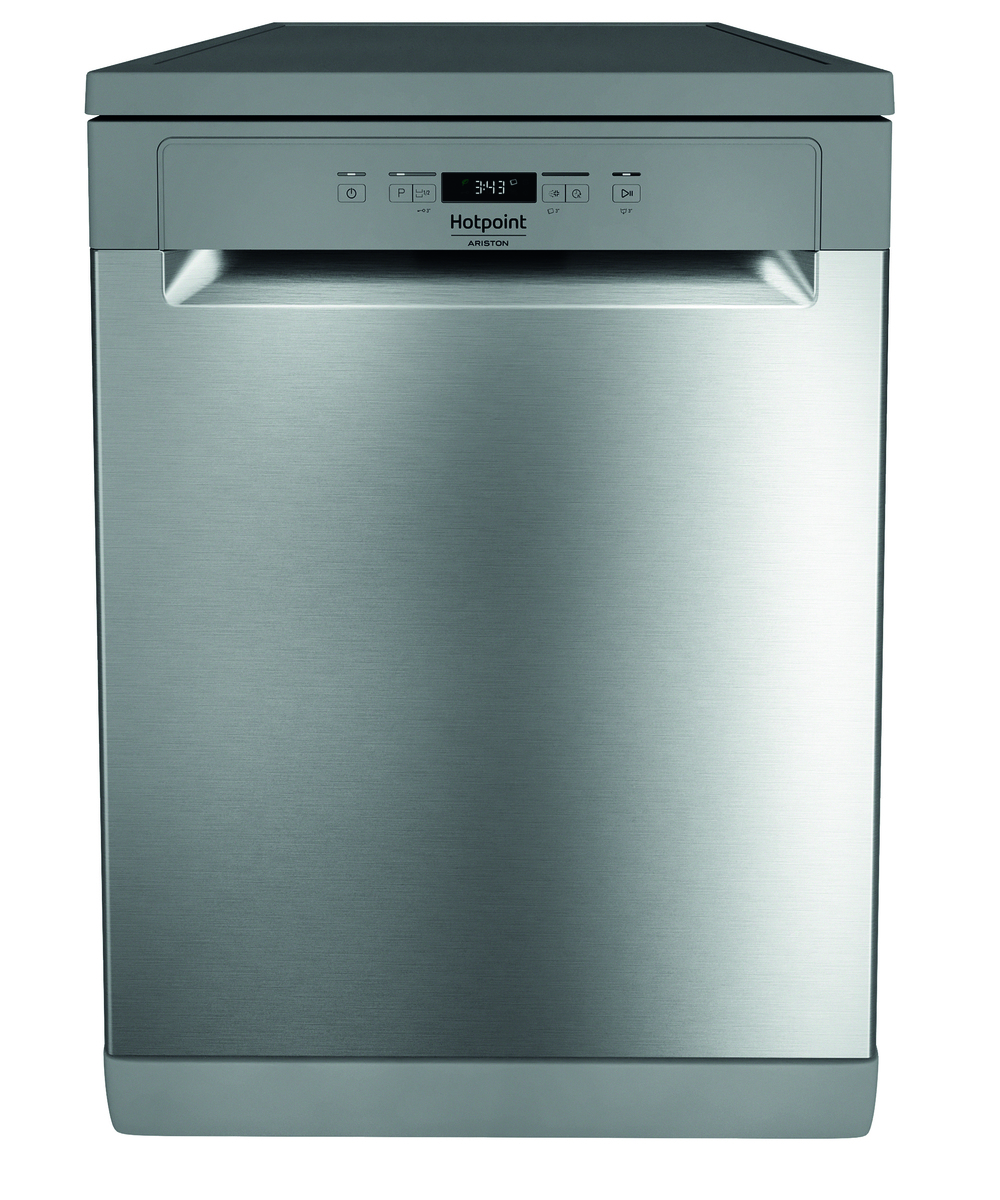 Image unavailable
Hotpoint H3FFD636X, freestanding, 14 place settings
Worth considering if the appliance can remain on show and you don’t need a decorative door panel.
Stated width of 60 cm; energy rating D. This model is listed as having a non-removable top, so don’t choose it for an under-worktop installation that requires the top to be removed. Also check the available space and connections.
View on Joybuy
Frequently asked questions
What should I measure before buying an integrated dishwasher?
Measure the internal width, height and depth of the housing unit, along with the planned door panel and the space needed to open the door. Que Choisir explains that an integrated dishwasher must be fitted in a housing unit. You should then check the installation clearances and door panel fixings against the instructions for your chosen model.
Can you put a freestanding dishwasher under a worktop?
Yes, if the model has a removable top and its height with the top removed fits the space beneath the worktop. Que Choisir recommends checking this before you buy. Also check the clearances and access to connections in the instructions.
What connections does a dishwasher need?
You’ll need a water supply, an electricity supply and a waste water outlet, as Que Choisir points out. Before choosing where to put the appliance, check that all three connections will remain accessible in line with the model’s installation instructions.


