What should you check before choosing?
Start with a typical day’s washing up, then rule out any sizes that won’t fit the space or connections. The European Commission says the model’s label can then help you compare capacity, eco-programme water and energy consumption, cycle duration and noise.
| Criterion |
What to check |
Who it matters to |
| Everyday capacity |
Compare the stated place setting capacity and rack layout with the dishes and pans you need to load. |
When meals quickly fill the sink, I want room for bulky utensils too, without having to run several cycles. Around 28% of consumers rank this useful capacity as their top priority. |
| Installation |
Measure the width, height and depth. For a built-in model, check the niche diagram, plinth and door front. |
In a fitted kitchen, I need to know whether the appliance will actually fit and can be connected. Installation compatibility is the top priority for around 22% of consumers. |
| Noise |
Check the decibel rating and noise class on the label for the specific model. |
If the kitchen opens onto the living area, I want to be able to run a cycle without choosing based solely on a promise of quiet operation. Noise is the top criterion for around 17% of consumers. |
| Consumption |
For the eco programme, compare kWh per 100 cycles, litres per cycle and duration, for models with a similar capacity. |
If I use the appliance often, I want to know its stated consumption before choosing, without confusing it with my actual annual usage. Water and energy come first for around 22% of consumers. |
| Whether an appliance is right for you |
Consider how much washing up you have to do and confirm the space, connections and installation requirements. |
If I don’t have much washing up or can’t install the appliance, I first need to decide whether it suits my routine. This is the main initial consideration for around 11% of consumers. |
Dishwashers available on Joybuy
These models are suited to kitchens where a freestanding or integrated dishwasher can be installed, with a stated capacity of 13 or 14 place settings. Choose between the two installation types to suit your kitchen, then check the label and dimensions of the model you’re considering.
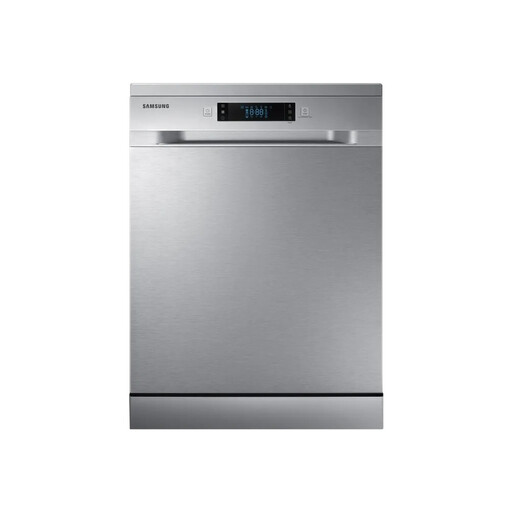 Image unavailable
Samsung DW60M6050FS, freestanding, 14 place settings
Worth considering if washing up piles up every day and you have room for a freestanding appliance. The title lists 14 place settings and 7 cycles. Check the dimensions, connections and energy label details for this model.
View on Joybuy
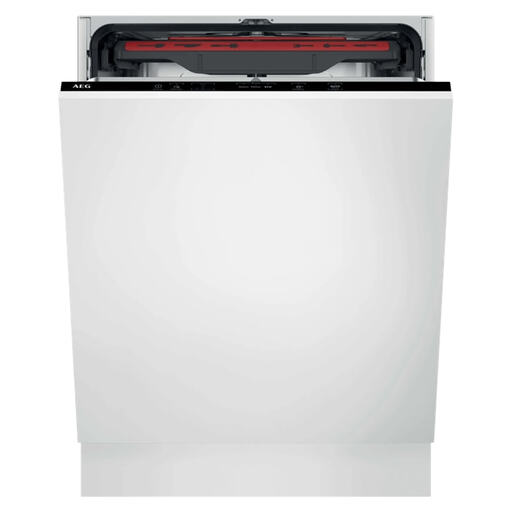 Image unavailable
AEG FSB34707Z, integrated, 14 place settings, class C
Worth considering for a kitchen with a niche designed for a fully integrated appliance. The title lists a width of 60 cm and 14 place settings, but the dimensions in the product information don’t clearly match this width. Check the installation diagram, door front and energy label before buying.
View on Joybuy
 Image unavailable
Indesit D2F HK26 S, freestanding, 60 cm, 14 place settings
Worth considering if you regularly need to wash a large amount of dishes and don’t want to fit a cupboard door front. The title lists energy class E. Check the dimensions, connections and eco-programme consumption on the model’s label.
View on Joybuy
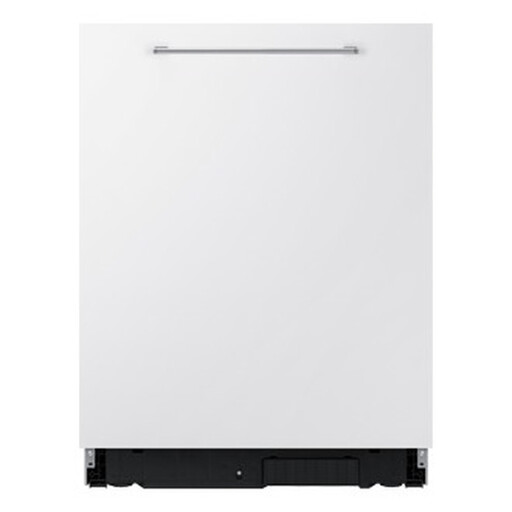 Image unavailable
Samsung DW70H72WCB0U1, built-in, 60 cm, 13 place settings
Worth considering if your kitchen has a niche and 13 place settings suits your usual load. The title lists energy class C. Check the installation diagram, door front and water, energy and noise ratings for this model.
View on Joybuy
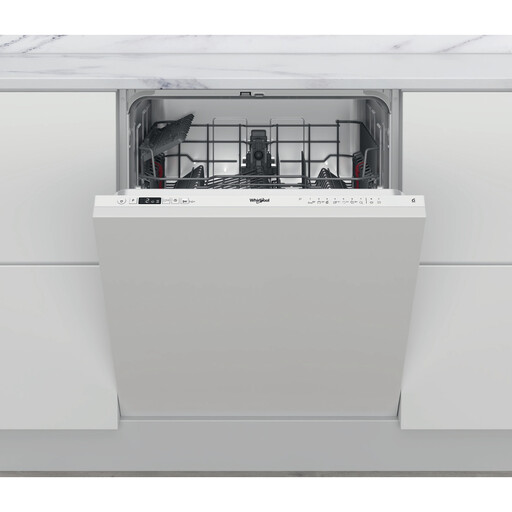 Image unavailable
Whirlpool W2I HD526 A, integrated, 60 cm, 14 place settings
Worth considering for a fitted kitchen with a compatible niche and a substantial daily load. The title lists energy class E. Compare the installation diagram and energy label for this model before deciding.
View on Joybuy
Frequently asked questions
What should I compare on a dishwasher’s energy label?
Compare the energy class, kWh per 100 cycles, litres of water per cycle, place setting capacity, eco-programme duration and noise level. The European Commission specifies that the consumption figures relate to the eco programme. They’re useful for comparing models, but don’t predict your annual usage on their own.
How can I tell if a built-in dishwasher will fit in my kitchen?
Measure the niche and compare its width, height and depth with the installation diagram for the exact model. Also check the feet, plinth, door front and connections. A stated width of 45 or 60 cm isn’t enough.
Can a compact model handle the daily washing up?
A compact model may be suitable if your daily load fits its capacity and it can be installed. Darty lists the Bosch SKS62E32EU as holding 6 place settings. If you also wash dishes and pans, check whether they’ll fit and how often you’ll need to run a cycle.
Is the word ‘quiet’ enough to help me choose?
No. Compare the decibel rating and noise class on the model’s label. ADEME says that a three-decibel increase is almost a doubling of noise, which is worth bearing in mind if your kitchen is open-plan.
Where can I take an old dishwasher in France?
The French Ministry for Ecological Transition says that electrical appliances can be taken to a collection point or recycling centre, or returned to a retailer. If you’re replacing your dishwasher, ask the seller what take-back options are available with your purchase.


