Which features should you prioritise?
Decide how you’ll install the dishwasher before comparing capacities: even an appliance that suits your meals won’t be much use if it doesn’t fit in your kitchen.
Freestanding
Worth considering: if you don’t have a dedicated space or want to keep your kitchen layout flexible.
You’ll need: a suitable space and access to water, electricity and drainage. Whether it can fit under a worktop also depends on the model.
Integrated or fully integrated
Worth considering: if you have a suitable space and want a door panel that matches your kitchen units.
You’ll need: to check that the space, door panel, plinth and door system are all compatible. On a fully integrated model, the controls are hidden behind the door panel.
Compact worktop model
Worth considering: if floor space is limited and you don’t have many dishes to wash.
Be prepared for: a smaller capacity. Also check how your chosen model fills and drains.
| Feature |
What to check |
Who it matters to |
| Installation |
Measure the space and check access to water, electricity and drainage. For an integrated model, also check the space and door. |
I’m replacing an appliance in an existing fitted kitchen: the new one needs to fit and connect properly. Around 33% of consumers put this compatibility first. |
| Capacity |
Compare the stated number of place settings and the basket layout with the dishes you use regularly, especially large plates and serving dishes. |
If several meals’ worth of dishes pile up before each cycle, I want to load them all without running extra washes. Around 27% of consumers prioritise this everyday capacity. |
| Noise |
Check the noise level in dB and the noise class on the model’s label. |
In an open-plan kitchen and living room, I want to run a cycle without disturbing nearby activities. Around 20% of consumers say keeping noise down is their main concern. |
| Usage and repairability |
Compare the energy used per 100 cycles and the water used per cycle, as stated for the Eco programme. Also check the model’s repairability index. |
If I run frequent cycles, I look at the stated consumption figures and whether the appliance can be repaired. Around 20% of consumers prioritise these aspects of everyday use. |
ADEME describes energy consumption per 100 cycles as a reference figure on the label. The Eco programme figures allow you to compare appliances under set conditions; the cycles you choose and how you load them will affect your actual usage.
Dishwashers to consider on Joybuy
These models cover three different needs: freestanding installation, fitting behind a kitchen door panel, and washing a small amount of dishes on a worktop. Compare their capacity with your usual meals, then check the dimensions and installation requirements for the model you choose.
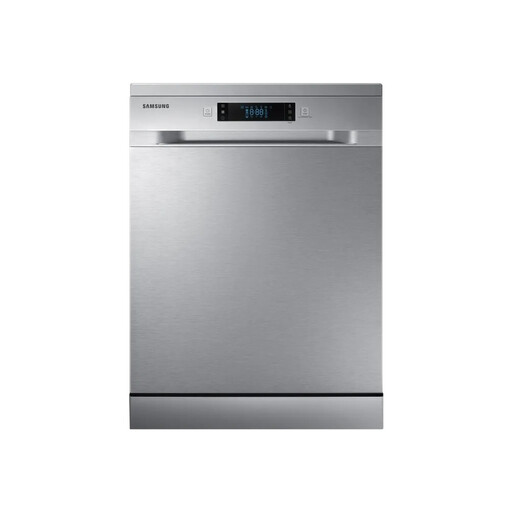 Image unavailable
Samsung DW60M6050FS, freestanding, 14 place settings
Worth considering if you’re looking for a freestanding appliance for a regular amount of washing-up.
The model name indicates 14 place settings and 7 programmes. Check the space and connections needed before installation.
View on Joybuy
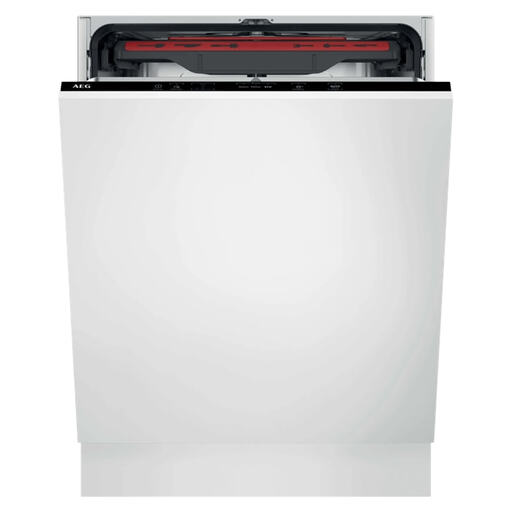 Image unavailable
AEG FSB34707Z, fully integrated, 14 place settings
Worth considering for a fitted kitchen with a suitable space and compatible door panel.
The model is listed as 60 cm, with 14 place settings and a C energy rating. The appliance dimensions shown don’t match the stated width, so confirm its actual measurements and check that the space, door panel and door system are compatible before ordering.
View on Joybuy
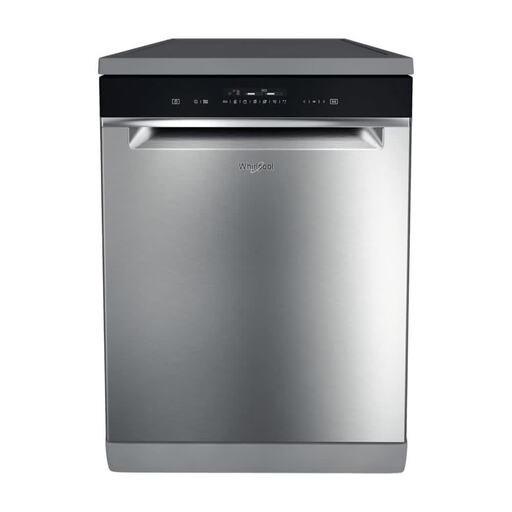 Image unavailable
Whirlpool WFP5O41PLGX, freestanding, 14 place settings
Worth considering if you want a 14-place-setting capacity without a kitchen door panel.
The model is listed as 60 cm, with a C energy rating. The dimensions shown don’t clearly match this format, so confirm its actual size before deciding where to put it.
View on Joybuy
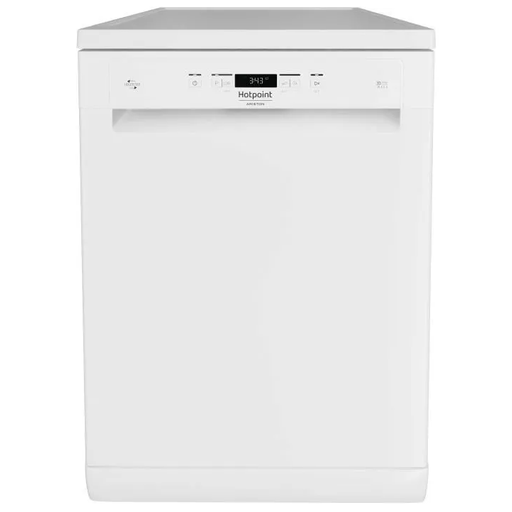 Image unavailable
Hotpoint H4FD641A, freestanding, 14 place settings
Worth comparing if your household is looking for a freestanding model with a 14-place-setting capacity.
The model name indicates 60 cm, 41 dB and a C energy rating. If you plan to install it under a worktop, check the dimensions, connections and whether the top can be removed on the model being sold.
View on Joybuy
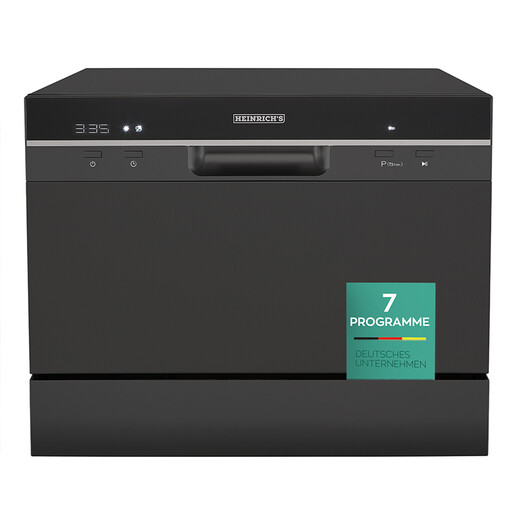 Image unavailable
Heinrich's HTG 8840 Schwarz, compact, 6 place settings
Worth considering if you have a suitable worktop and don’t have many dishes to wash between cycles.
The model name indicates 6 place settings, 7 programmes, 47 dB and a D energy rating. Check that your dishes will fit and confirm the water inlet and drainage requirements for your chosen location.
View on Joybuy
Frequently asked questions
How do you choose between 60 cm, 45 cm and a compact model?
Start with the amount of washing-up that builds up between cycles, then check that it will fit in the baskets. UFC-Que Choisir features 45 cm appliances rated for around 9 place settings and compact worktop models for around 6. The stated capacity doesn’t guarantee there’ll be room for your large dishes, so check those too.
What connections does a dishwasher need?
A dishwasher that needs to be connected requires access to a water supply, an electrical socket and a waste outlet. UFC-Que Choisir also recommends checking the space before installation. For a compact model, check how the specific appliance fills and drains.
Can you replace a freestanding model with an integrated one?
Yes, if your kitchen has a suitable space and you can fit a compatible door panel. Before replacing the appliance, measure the space and check the plinth, as well as the door system required for the integrated model.
What should you compare on the energy label?
Compare the energy rating, energy use in kWh per 100 cycles, water use per cycle, Eco programme duration and stated noise level. These figures are based on set measurement conditions for the Eco programme. They help you compare models, but won’t exactly reflect every cycle you run.
What is the repairability index for?
The repairability index gives you an additional indication of how easy it may be to repair a dishwasher. ADEME says it takes factors such as documentation, dismantling and spare parts into account. Check the index for your chosen model, then check the after-sales service terms separately.


