Open-plan kitchens where noise matters
If a cycle runs while people are talking or relaxing in the living area, compare the decibel rating and noise class on the energy label rather than relying on a simple ‘quiet’ claim.


First, choose a size and style that suit your kitchen space and connections, then check that the racks can hold the dishes you use for your usual meals. A freestanding model works well if you want a standalone appliance, a built-in one suits a fitted kitchen, and a compact model is ideal when space is tight. In every case, compare the noise level and energy use shown on the energy label.
If a cycle runs while people are talking or relaxing in the living area, compare the decibel rating and noise class on the energy label rather than relying on a simple ‘quiet’ claim.
If you’re planning to fit a dishwasher under a worktop or match its door to your kitchen units, check the dimensions, door system and connections needed for installation first.
A slimline or compact appliance is worth considering if its racks can hold the plates, dishes and utensils you use regularly, without requiring you to run extra cycles.
The style of dishwasher addresses a space or installation constraint, but it doesn’t tell you how much you can wash in one load. Next, compare the capacity, noise level and usage information for the specific model.
Consider it: if you want a standalone appliance in a kitchen whose layout may change.
Bear in mind: its finish won’t give you the seamless look of an integrated door.
Consider it: if your fitted kitchen has a suitable space and matching door planned.
Bear in mind: installation may require preparation of the housing and connections; Bosch recommends using a professional to fit a built-in model.
Consider it: when space is your main concern and your usual load fits in the racks.
Bear in mind: if dishes and pans mean you need to run extra cycles, a smaller model may be less practical for everyday meals.
| Criteria | What to check | Consumers concerned |
|---|---|---|
| Loading after meals | Stated place-setting capacity and room in the racks for your dishes and utensils. | I want all the dishes from a meal, including pans, to fit in one load so I don’t have to start another cycle. Around 25% of consumers prioritise this loading need. |
| Space and fitting | Dimensions of the space, door clearance, and compatibility of the door and connections. | If the appliance can’t be installed in my kitchen, its other features won’t affect my choice. Around 31% of consumers put this installation constraint first. |
| Noise | Noise level in dB and noise class on the energy label, especially if the dishwasher runs in an open-plan kitchen. | I sometimes run a cycle while people are using the living area and want to avoid disrupting conversation or relaxation. Quiet operation is the main priority for around 19% of consumers. |
| Running costs | Energy use in kWh per 100 cycles, water use in litres per cycle and the Eco programme duration shown on the energy label. | When I cook and eat at home often, I want to relate the stated consumption to the number of cycles I expect to run. Around 25% of consumers prioritise these running costs. |
According to ADEME, the energy label includes information such as electricity use per 100 reference cycles and water use per reference cycle. These figures are useful for comparing appliances on a like-for-like basis; how often you run a cycle also matters when making your choice.
Two appliances that fit in your kitchen may not be suited to the same amount of washing up. The wrong capacity could mean you have to run extra cycles.
Think about what you’d use for a typical meal, then check the place-setting capacity and how the racks are arranged for your dishes and pans.
In an open-plan kitchen, a marketing claim won’t help you compare the noise levels of two models.
Check their noise levels in dB and their noise classes on the energy labels. ADEME presents these figures as useful points of comparison.
The housing, door and connections must all suit the model you choose; the stated width alone doesn’t confirm compatibility.
Measure your kitchen and check the figures against the manual, then establish what work is needed before arranging installation.
Electrolux says its installers don’t carry out joinery, plumbing or electrical work. If your kitchen needs any of these, you may need to arrange them yourself.
The Eco programme may not be the right choice if you need clean dishes quickly after a meal.
Compare its stated duration on the energy label with the other programmes available on the model, while also taking its water and energy use into account.
These ranges can help you identify different installation styles and sizes, but always check the specifications of the model you’re considering.
Bosch offers freestanding, built-in, slimline and compact models in France.
The Siemens range in France includes built-in and freestanding dishwashers.
Miele’s French catalogue includes built-in and freestanding models.
Whirlpool offers built-in models in France, as well as 45 cm and 60 cm sizes.
Beko offers freestanding, built-in with a visible control panel, and fully integrated dishwashers.
These freestanding and built-in models let you compare stated capacities for regular meals. Before choosing, check that the style suits your space and that the energy label matches your usage habits. If your kitchen is particularly small, also consider whether a compact model would be a better fit.
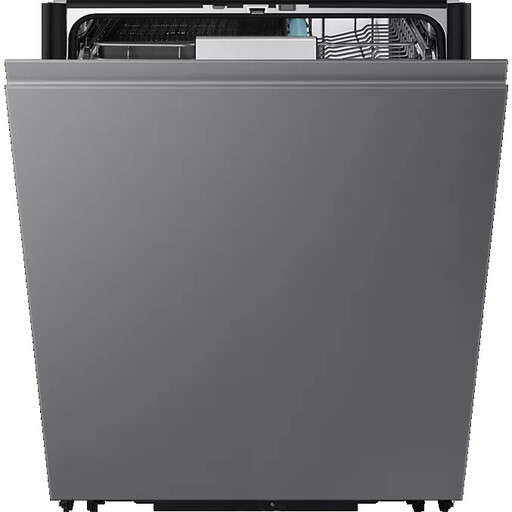 Image unavailable
Worth considering if you’re looking for a built-in dishwasher for regular meals. The title lists 14 place settings and an energy class of A. Check the dimensions of the housing and door, then compare the model’s noise level on its energy label.
 Image unavailable
Worth considering if you want a standalone appliance for regular loads after meals. The title lists 41 dB and an energy class of C. Measure the available height and depth, then check the energy label to compare water and energy use and the Eco cycle duration.
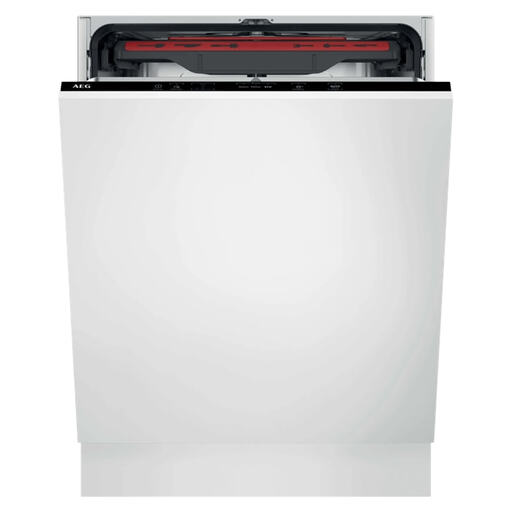 Image unavailable
Worth looking into for a fitted kitchen if the stated capacity suits your meals. The title lists an energy class of C, but its 60 cm width doesn’t match the dimensions given in the description. Confirm the exact measurements and that the housing is compatible before placing an order.
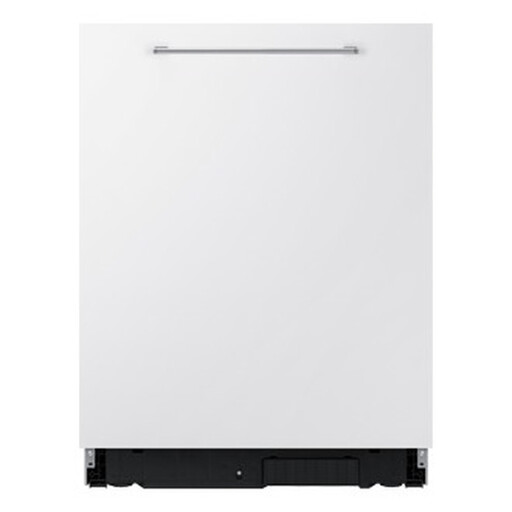 Image unavailable
Worth considering if your kitchen has a built-in space and 13 place settings are enough for your usual washing up. The title lists an energy class of C. Check the housing dimensions, door and water connections, as well as the water and energy figures on the label.
 Image unavailable
Worth comparing for a fitted kitchen if a capacity of 13 place settings is enough for your meals. The title lists an energy class of B. Check the housing, door and connections, then use the model’s energy label to compare its noise level and energy use.
Compare the energy class, energy use in kWh per 100 cycles, water use in litres per cycle, capacity, Eco programme duration and noise information. ADEME presents these figures as useful points of comparison; separately check that the racks suit your dishes and utensils.
Check the space before ordering: measure the housing and make sure the door and connections match the requirements in the model’s manual. Electrolux says its installers don’t carry out joinery, plumbing or electrical work, while Bosch recommends using a professional to fit a built-in model.
Follow the instructions for the model you’ve chosen rather than assuming there’s one rule for every dishwasher. Bosch says the connection to hot or cold water depends on the model and its instructions, so check this before installation.
Yes. When a professional sells a dishwasher to an individual in France, the legal guarantee of conformity applies. The Ministry of the Economy states that it covers new goods. Keep your proof of purchase and contact the seller if the appliance doesn’t conform to its description or requirements.