What should you check first?
First, check that you can install a particular type of dishwasher in your home and that it will fit your usual load. Then compare the labels of models that will work in your kitchen.
| Criterion | What to check | What I need |
|---|
| Installation |
Measure the space using the model’s installation diagram. Check the water supply, waste outlet and electrical supply. For an integrated model, also check the housing unit and door panel. |
I have an accessible space for a freestanding model, or I can confirm that the housing unit and door panel are suitable for an integrated model. |
| Capacity |
Compare the stated place setting capacity with the washing-up that builds up between washes. For a compact model, also check that there’s room for your usual plates and utensils. |
I’m interested in a smaller appliance if it can hold enough for my routine. Otherwise, the space saved may not meet my capacity needs. |
| Energy label |
Compare kWh per 100 cycles, litres per cycle, Eco programme duration and capacity. The European Commission says these figures are based on the Eco programme at rated capacity. |
I want to compare models on a like-for-like basis, without treating the label figures as my annual energy use. |
| Noise and cycle time |
Check the noise level in dB and the Eco programme duration on the label for the exact model, as recommended by ADEME when comparing appliance specifications. |
I have an open-plan kitchen, or I need my dishes ready by a certain time, so noise and cycle time matter to me. |
| Washing up by hand |
If installation or capacity isn’t suitable, consider whether to keep washing up by hand based on the amount of washing-up you have. Don’t compare its energy use directly with an appliance’s label figures. |
If I can’t install or make useful use of a dishwasher as part of my routine, I can carry on washing up by hand. |
| Maintenance |
Check the model’s maintenance instructions and any repairability information available for it. Remember to factor in the consumables needed to use it. |
I want to consider how I’ll use and maintain the appliance after installation, not just its listed specifications. |
A guide to the brands
There are no brand profiles in this section.
Dishwashers available on Joybuy
These Joybuy models include an integrated dishwasher and freestanding appliances for regular washing-up. Check each model’s capacity and installation requirements before choosing a type.
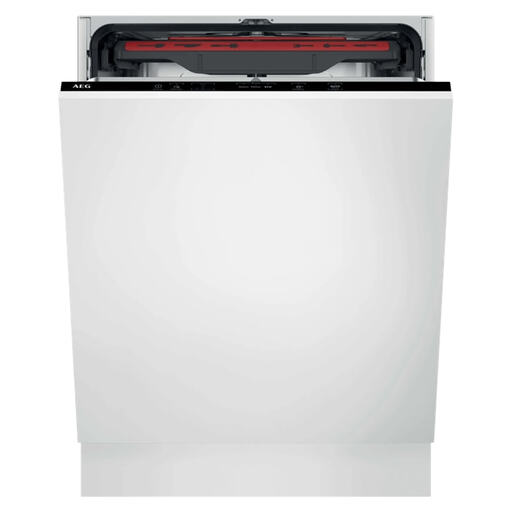 Image unavailable
AEG FSB34707Z integrated dishwasher, 14 place settings, C energy rating
Its stated capacity of 14 place settings could suit regular washing-up if it matches your usual load. The width given in the title doesn’t match the dimensions listed, so check the model’s measurements, housing unit and door panel before arranging installation.
View on Joybuy
 Image unavailable
Samsung DW60M6050FS freestanding dishwasher, 14 place settings, 7 programmes
This freestanding model has a stated capacity of 14 place settings. Compare this with the amount of washing-up you have between cycles. Check the dimensions and connections, as well as the Eco programme duration if that matters to your routine.
View on Joybuy
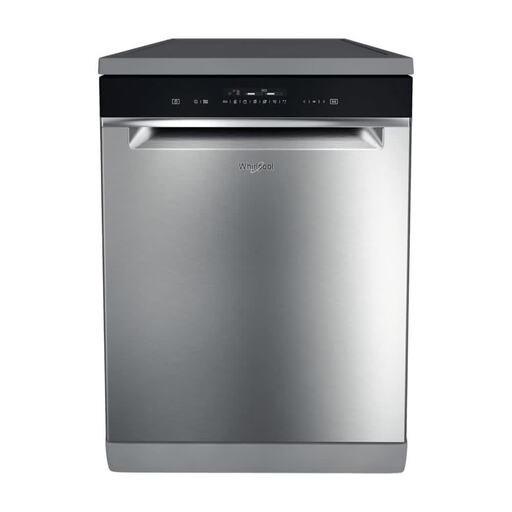 Image unavailable
Whirlpool WFP5O41PLGX freestanding dishwasher, 14 place settings, C energy rating
Compare the stated capacity of 14 place settings with the amount of washing-up you usually have. The width in the title differs from the dimensions listed for this model, so check its external width and the space required for installation.
View on Joybuy
 Image unavailable
Indesit D2F HK26 S freestanding dishwasher, 14 place settings, E energy rating
With a stated capacity of 14 place settings, this model is worth comparing with the amount of washing-up you have between washes. Check the space and connections, then look at the model’s label to compare kWh per 100 cycles and Eco programme duration.
View on Joybuy
 Image unavailable
Hotpoint H4FD641A freestanding dishwasher, 14 place settings, 41 dB, C energy rating
If noise matters in your kitchen, compare the stated 41 dB with the figures for other models you’re considering. Also check the available space, Eco programme duration and safety instructions for opening the door after a cycle.
View on Joybuy
Frequently asked questions
What should I compare on a dishwasher’s energy label?
Compare the energy rating, kWh per 100 cycles, litres per cycle, Eco programme duration, place setting capacity and noise level. The European Commission explains that regulatory measurements use the Eco programme at rated capacity. They let you compare models, but don’t tell you your annual energy use.
Can the label predict guaranteed savings in my home?
No. The figures shown are based on the Eco programme’s test conditions. Your energy use will depend on factors including how many cycles you run, how full the dishwasher is and which programmes you use. To compare it with washing up by hand, you’d also need to consider your own habits.
What should I check before buying an integrated dishwasher?
Use the installation diagram to check the dimensions of the housing unit and appliance, door or panel compatibility, clearances and connections. Bosch Home Appliances France highlights the need to take care with integrated installation. Also confirm whether any carpentry, plumbing or electrical work is included in the installation service.
How close does the appliance need to be to the connections?
Follow the requirements for the specific model and installation service you’ve chosen, rather than relying on a distance that applies to every brand. For its pre-installation service, Electrolux France specifies a maximum distance of 1,2 m from the water supply and waste hose, with no extension hose supplied by its installers.


