Households with several loads of washing-up each week
If plates, serving dishes and utensils pile up after meals, start by checking what the racks can hold. Then compare the energy use and noise levels of models with a suitable capacity.


Choose a size based on the washing-up you need to do, the space available and the connections in your kitchen. A freestanding appliance suits a kitchen without a built-in space, while an integrated model needs a compatible space and door panel. A 45 cm or compact model may suit a tighter space, provided its capacity matches your mealtime routine. Then compare the Eco programme figures and check the dimensions and installation requirements of the model you choose.
If plates, serving dishes and utensils pile up after meals, start by checking what the racks can hold. Then compare the energy use and noise levels of models with a suitable capacity.
It’s worth comparing a 45 cm model with a compact one before deciding you can’t fit a dishwasher. Que Choisir says a 9-place-setting, 45 cm model may suit a small family, even if it needs to run every day. Also check that it can fit your dishes and pans.
Before choosing a model, locate the water inlet, waste outlet and socket, and check whether any changes to the kitchen units might be needed. If you’re considering work in a rented home, check what it involves and what you need to do with your landlord.
Start with the available space and the amount of washing-up you have, then compare appliances that can actually be installed in your home.
| Priority | What to check | What I need |
|---|---|---|
| Freestanding | Measure the available height, width and depth, and check the connections. If fitting it under a worktop, check the manual to see whether the model’s top panel can be removed. | My kitchen doesn’t have a built-in space, so I’m looking for an appliance that will fit the space I already have. |
| Integrated | Check the dimensions of the space, whether the door panel is compatible and what work will be needed. Confirm exactly what the installation service includes. | I want to fit the appliance into a fitted kitchen without finding out after delivery that the door or units need adapting. |
| Slimline or compact | Compare the space required, the number of place settings and the room for larger utensils. Que Choisir lists 45 cm models with 9 place settings; check the capacity of compact models individually. | If my kitchen is narrow, I want to avoid an appliance that means running multiple cycles to wash everyday dishes. |
| Washing by hand | Consider how much washing-up you produce and whether a safe installation is possible. Don’t assume that consumption comparisons apply to every way of washing by hand. | If I have little washing-up and no suitable installation, I can stick with washing by hand rather than choose an unsuitable appliance. |
| Water, energy and noise | For models with comparable capacities, check the kWh per 100 cycles, litres per cycle and noise level on the label. According to ADEME and the European Commission, the stated consumption figures are based on the reference cycle. | I want to compare usage figures on a like-for-like basis, especially if I run frequent cycles or my kitchen opens onto the living area. |
| Washing and loading | Look at the rack layout, the space for glasses and pans, and the washing and drying results from an independent test, if available. | My dishes and utensils need to fit; the number of place settings alone doesn’t tell me how easy the appliance is to load. |
| Connections and protection | Check the manual for the water inlet, waste outlet, electrical supply and leak-protection system for the exact model. Confirm the installation requirements with your chosen provider. | Before ordering, I want to know whether my existing connections are suitable and what work might be needed. |
It doesn’t replace checking water consumption, capacity, Eco cycle duration and noise levels. These factors can matter differently depending on how often you run the dishwasher.
Compare the label figures for appliances of a similar size and capacity, then check that the interior layout works for you.
A smaller capacity may mean running more cycles when dishes and utensils start to pile up.
Measure the space and compare a 45 cm model too, taking into account the amount of washing-up and the label figures for the exact model.
Installing an appliance using existing connections doesn’t necessarily include adapting a waste outlet, socket or built-in space.
Before ordering, ask for details of the work included, particularly connecting the appliance and, for an integrated model, fitting the door panel.
Adapting a door panel or carrying out plumbing, electrical or carpentry work may require a separate visit.
The protection offered depends on the specific model and doesn’t remove the need to follow the installation instructions. For example, Bosch lists AquaStop for the SMS25GI09F, but this doesn’t apply to all its models.
Check the product details and manual for your chosen appliance to find out which protection system it has and which connections are required.
These brand examples show some sizes worth comparing. The features listed apply to the named models, not to every appliance in each range.
Bosch’s product information for the SMS25GI09F offers an example of a freestanding model to compare with the dimensions and connections in your kitchen.
The EES68510L is an example of a fully integrated model for a kitchen with a compatible space.
The G 5540 SC SL Active is a 45 cm freestanding model worth considering for a narrow kitchen.
The BDFN26443G is another example of a freestanding model for larger loads of washing-up.
These models are mainly freestanding options for regular loads. The Samsung DW80H72YBB0U1 is an integrated option, suitable only if you have a compatible built-in space.
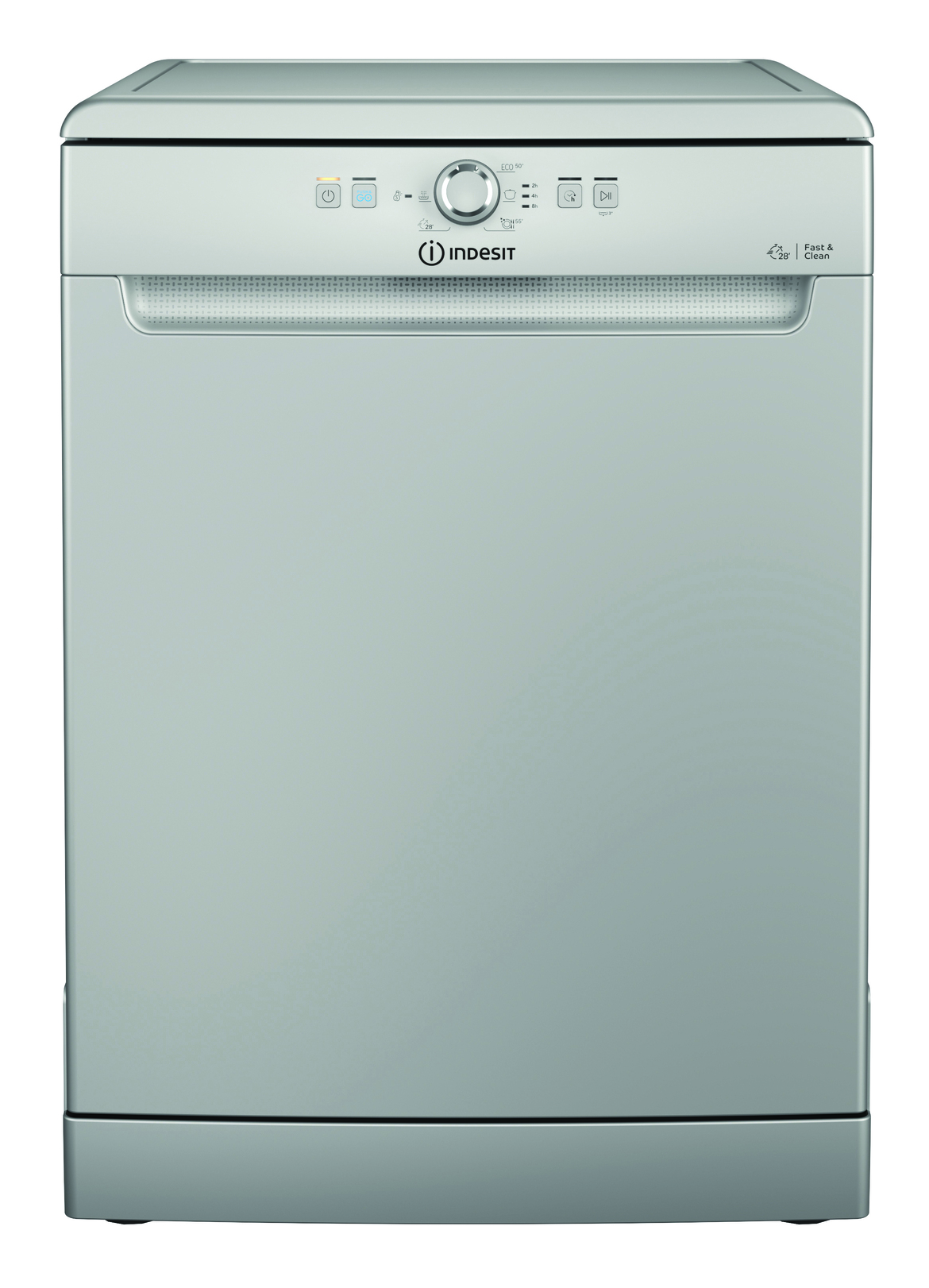 Image unavailable
For a busy household’s daily washing-up, this freestanding model is listed as 60 cm wide, with 14 place settings and an E energy rating. Check its full dimensions and the connections required for your chosen space.
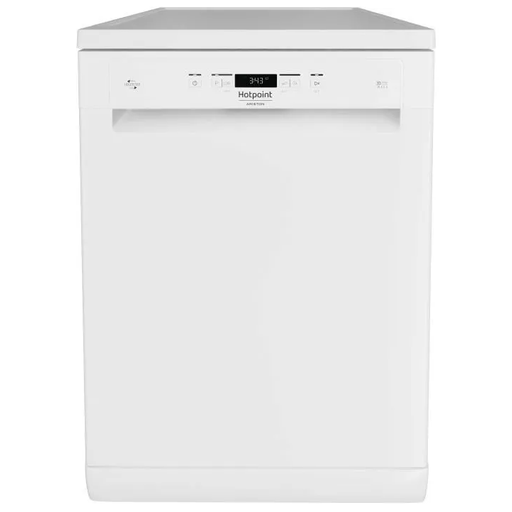 Image unavailable
This 60 cm model offers capacity for regular loads; its product name lists a C energy rating and a noise level of 41 dB. If you plan to install it under a worktop, confirm the available height and follow the fitting instructions.
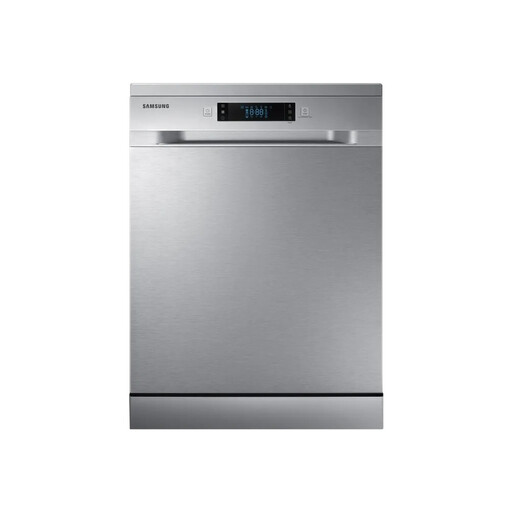 Image unavailable
For varying everyday loads, this freestanding model offers 14 place settings and 7 programmes. Check the usable loading space, dimensions and connections before deciding whether this size is right for you.
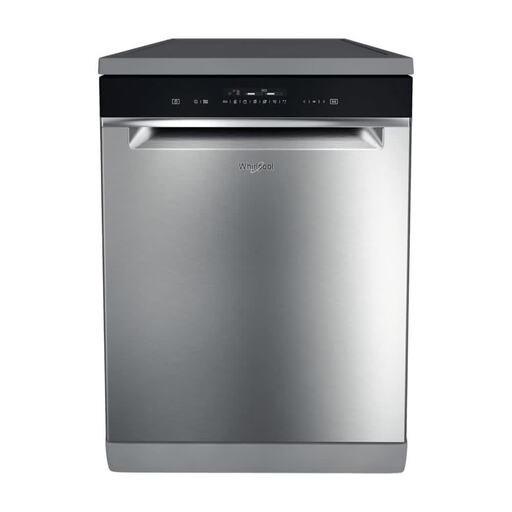 Image unavailable
Its stated capacity of 14 place settings suits larger loads, and the model is listed with a C energy rating. The width given in its product name doesn’t match the dimensions in its description. Confirm the exact measurements and installation instructions before deciding whether it will fit in your kitchen.
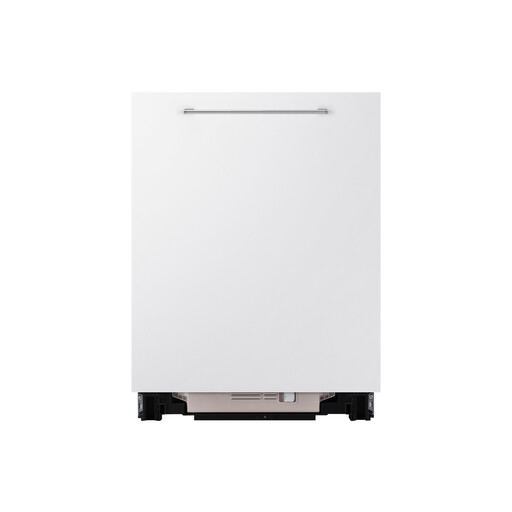 Image unavailable
For a fitted kitchen with a suitable built-in space, this integrated model is listed as 60 cm wide, with 13 place settings and a B energy rating. Check that the door panel is compatible and confirm the installation requirements. The noise figures in its product information vary depending on the programme or section you check.
First compare appliances with a suitable capacity, then look at the energy rating, kWh per 100 cycles, litres per cycle and noise level. ADEME and the European Commission explain that the label’s consumption figures are based on the reference cycle, so they don’t describe every programme on their own.
It may be suitable if its capacity and racks can hold your usual washing-up. Que Choisir says a 9-place-setting model may suit a small family, potentially with a cycle every day. Measure your larger dishes too before you choose.
Measure the space and check the water inlet, waste outlet and electrical supply against the model’s manual. If you choose an Electrolux installation service, its pre-installation guide specifies a maximum distance of 1,2 m between the appliance and the water inlet and waste outlet. Don’t assume another provider has the same requirement.
First check whether the appliance can use the existing connections and space, or whether changes will be needed. For work planned in France, Service-Public.fr says the landlord’s permission may be required depending on the nature of the work. Discuss your plans with them before altering any fittings or units.
Follow the manual for your chosen model when cleaning it and selecting compatible products, and deal with any alerts as instructed. Maintenance should be tailored to the model rather than based on the features of a different appliance.