Homes without a fitted kitchen
A freestanding dishwasher doesn’t need a matching kitchen door panel. You will still need a stable space for it and the three essential connections: water supply, drainage and electricity, as Que Choisir points out.


When moving into a kitchen without fitted units, first measure the space and check the water supply, waste outlet and electrical socket. According to Que Choisir, a 60 cm freestanding dishwasher typically holds 12 to 17 place settings, compared with 9 to 10 for a 45 cm model. Choose based on the space available and the size of your usual loads, rather than assuming a slimmer model will cost less. A compact model may suit smaller loads if you have a suitable surface to put it on; check how each model takes in water and drains it.
A freestanding dishwasher doesn’t need a matching kitchen door panel. You will still need a stable space for it and the three essential connections: water supply, drainage and electricity, as Que Choisir points out.
If a 60 cm appliance won’t fit, compare a 45 cm freestanding model with a compact one. The first sits on the floor, while the second needs a suitable surface and is designed for smaller loads. Measure both possible spaces before deciding.
A freestanding model can be installed without a built-in space or matching kitchen door. If the connection you have in mind involves drilling, altering the plumbing or changing the property’s fittings, discuss the plans with your landlord before starting work.
Check the connections and measure the space, then choose a capacity that suits the amount of washing-up you usually have.
| Priority | What to check | Think about your needs |
|---|---|---|
| Installation | Locate the water supply, waste outlet and electrical socket, then check their positions against the model’s instructions. Make sure the space is stable and level. | I want to install the appliance in the intended spot without improvising the connections. For a compact model, I’ll also check how it fills and where the waste water goes. |
| Space and capacity | Measure the width, depth and height, and allow for the required clearances. Que Choisir gives a capacity of 12 to 17 place settings for 60 cm freestanding models and 9 to 10 for 45 cm models; a compact model such as the Candy CP 6E51LS holds 6 place settings. | If I have large loads, I’ll first see whether a 60 cm model will fit in the kitchen. For smaller loads, I could choose the lower capacity of a 45 cm or compact model, while considering how often I’ll need to run it. |
| Energy, water and noise | Compare capacity with kWh per 100 cycles, litres per cycle, the duration of the Eco cycle and the noise level in dB. ADEME says these details are shown on the energy label. | In a small room or open-plan kitchen, the stated noise level matters to me as much as the space the appliance takes up. I’ll also compare the listed consumption figures, rather than assuming the narrower model will cost less to run. |
| Layout | If you plan to fit the appliance under a worktop, check that its top panel is removable and confirm the dimensions once it has been taken off. Consider a built-in model only if your plans include a suitable housing and door panel. | I want to be able to rearrange the kitchen without committing to a built-in space straight away. If I’m renting, I’ll clarify any permanent work before altering the fittings. |
A standard dishwasher needs a water supply, a waste outlet and an electrical connection. Without a suitable space, the stated width alone won’t tell you whether it can be installed.
Measure the space, locate the connections and check the instructions for your chosen model for guidance on connecting and levelling it.
For example, Candy says the CP 6E51LS connects directly to the water supply. A small size alone doesn’t tell you how a dishwasher needs to be installed.
Check how the model you’re considering fills, drains and connects to the electricity supply.
Que Choisir points out that a 45 cm model isn’t necessarily cheaper. Its lower capacity may also mean running cycles more often, depending on how much washing-up your household produces.
If both sizes fit in your kitchen, compare their capacity, interior layout and the water, energy and noise figures shown in their specifications.
Adding a waste outlet or drilling into a rented kitchen unit is not the same as installing an appliance using existing connections. This kind of work could make an installation harder to reverse.
If you’re renting, explain the proposed changes to your landlord and get written permission before making permanent alterations to the property or its fittings.
The French product page for the ESM48400SX shows one 60 cm freestanding option for placing under a worktop, subject to the space available.
Candy offers two sizes to consider when space is limited: a compact countertop model and a slim freestanding dishwasher.
The SMS25GI09F is an example of a 60 cm freestanding model, with its capacity and consumption figures listed on its Joybuy product page.
These models include freestanding options for floor-standing installation and a compact countertop dishwasher for smaller loads. Start by choosing the size that suits your space and connections.
 Image unavailable
Consider this model if you have floor space for a 60 cm appliance and regularly have a large load of washing-up. The product page lists a C energy rating and a noise level of 41 dB. If you plan to place it under a worktop, check the dimensions and instructions on removing the top panel; also check the connections in the manual.
 Image unavailable
This model is suited to a household with space for a floor-standing appliance and a need for capacity for 14 place settings. Its title lists 7 cycles; before ordering, compare the dimensions on the product page with your measurements, and check the connections and levelling requirements in the manual.
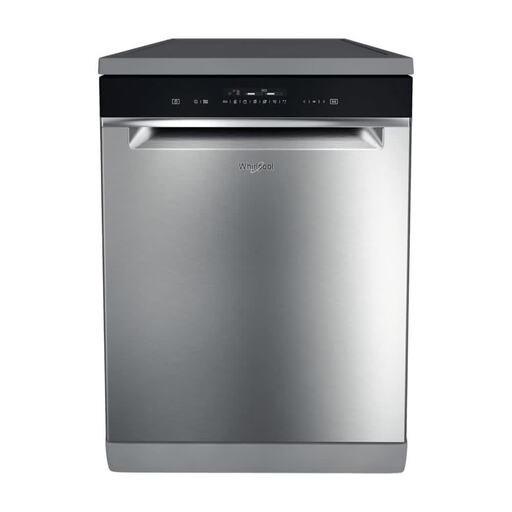 Image unavailable
Its stated capacity may suit regular loads, but don’t assume it will fit a 60 cm space based on the title alone: the product page also lists a dimension of 67.5 cm. Check the model documentation to confirm its external width before buying. Its stated energy rating is C.
 Image unavailable
This size is worth considering if you have room for a 60 cm floor-standing appliance and regularly have loads of washing-up. Its stated energy rating is E. If you plan to place it under a worktop, check the dimensions and instructions about the removable top panel, then confirm the connections in the manual.
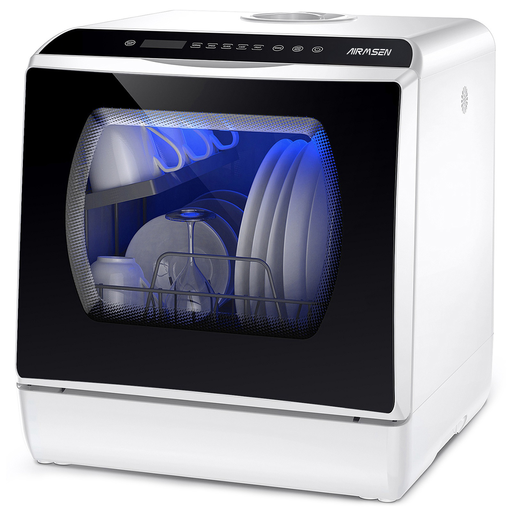 Image unavailable
Manual filling may be useful if you don’t plan to connect the appliance permanently to the water supply. Make sure your worktop has room for it, that its stated capacity of 4 place settings suits your loads, and that you can arrange the drainage and electrical connection as instructed in the manual.
Yes, as long as you have a suitable space and the necessary connections. Que Choisir explains that a freestanding model doesn’t need a matching kitchen door panel. Before choosing one, though, check the water supply, waste outlet, electrical socket and floor stability.
It depends on the model and how it fills. Candy says the CP 6E51LS connects directly to the water supply. If you’re considering a model with a tank, also check where and how its waste water will drain.
Only if the top panel on your chosen model is removable and the dimensions and clearances still work once it’s off. Check these details in the product specifications and manual before measuring the space under your worktop.
When comparing two dishwashers, look at their capacity as well as their energy rating, kWh per 100 cycles, litres per cycle, Eco cycle duration and noise level in dB. ADEME says these figures are shown on the label; capacity helps you make a fair comparison between different sizes.
Before drilling, adding a waste outlet or making permanent changes to any fittings, explain the proposed work to your landlord and ask for written permission. Check your tenancy agreement and the precise nature of the changes, rather than assuming that a freestanding installation means you can carry out any work.