If you eat at home frequently, first choose a dishwasher that fits your kitchen and can handle the amount of washing-up you accumulate between cycles. Then compare the litres per cycle, kWh per 100 cycles, eco programme duration and noise level on the label for the exact model. A compact appliance may need to be run more often, while a large capacity is only useful if you can fill it regularly. Freestanding or built-in installation is primarily a matter of fitting your kitchen, not a guarantee of lower water consumption.
Who is this option for?
Households with frequent meals
If washing-up piles up quickly, check the capacity and basket layout against the items you actually wash. The aim is to wait until you have a worthwhile load rather than run several partial cycles: ADEME recommends running the dishwasher when it is full.
Small kitchens or households
A slimline appliance frees up space, but check whether its baskets can hold the washing-up you produce between runs. UFC-Que Choisir says that a 45 cm model with around 9 place settings may suit a small family, although it may need to be run every day.
Open-plan or fitted kitchens
In an open-plan kitchen, noise matters when the cycle runs close to your living space, as UFC-Que Choisir points out. If the appliance needs to fit your kitchen units, also check the space available and the door panel required for your chosen type of installation.
Which features should you prioritise?
Installation type first determines which appliances will fit your kitchen. Capacity and the eco programme figures can then help you compare the models that suit your washing-up routine.
Freestanding
Consider this if: you have a suitable space without a dedicated housing for a built-in appliance.
Bear in mind: the appliance will remain visible; its installation type alone does not tell you how much it will consume.
Built-in or semi-integrated
Consider this if: you have a suitable housing and want the appliance to blend in with your kitchen units.
Bear in mind: the housing dimensions, door panel and installation requirements must all be suitable for the model you choose.
| Feature |
What to check |
Who this matters to |
| Water and energy |
Compare litres per cycle and kWh per 100 cycles on the labels of models with similar capacities, then check the eco programme duration. |
When cycles run frequently, I want to compare the water and electricity used by the eco programme without choosing a duration that is hard to fit around mealtimes; around 33% of consumers put repeated consumption at the top of their priorities. |
| Capacity and loading |
Check the stated number of place settings and the basket layout against your plates, pans and large dishes; ADEME recommends running the appliance when it is full. |
If the baskets fill up quickly, I want a capacity that avoids having to run the appliance too often, without needing to run a large model half-empty. Around 27% of consumers prioritise this fit. |
| Installation |
Measure the width, height and depth of the space; for a built-in model, check the installation instructions and the required door panel. |
In a fitted kitchen, I first need to know whether the appliance will fit in the housing and suit the planned installation type; around 20% of consumers prioritise this compatibility. |
| Noise and duration |
Compare the noise level in dB and the eco programme duration with the times when you can run a cycle. |
With an open-plan kitchen or items I need to retrieve quickly, I want a cycle that fits around when I’m at home and the next meal. Noise or cycle time comes first for around 20% of consumers. |
ADEME and the European Commission say that the label includes information such as water consumption per cycle, energy use per 100 cycles, capacity, eco programme duration and noise level. These figures let you compare models under the conditions of the eco programme; they may not reflect another programme or the way you usually load the appliance.
Mistakes to avoid
-
Relying on the energy rating alone
The letter alone does not tell you how many litres are used per cycle, what capacity you get or how long the eco programme takes.
For every model you’re considering, look at the kWh per 100 cycles, litres per cycle, place settings, eco programme duration and noise level shown on the label.
-
Choosing 45 cm solely to save space
According to UFC-Que Choisir, a 45 cm model with around 9 place settings may suit a small family, but may need to be run every day. So weigh the space you’ll save against the amount of washing-up you produce.
Estimate how much you accumulate between cycles and check whether your usual dishes fit in the baskets before choosing this width.
-
Assuming the stated place settings mean there’s room for every dish
The stated capacity in place settings is a useful point of comparison, but it doesn’t guarantee that your pans, containers or large dishes will be easy to fit in.
Check the basket diagrams and adjustment options in the instructions for the exact model, then compare them with the items you wash most often.
-
Choosing a built-in model before measuring the housing
A built-in dishwasher needs a space designed to accommodate it. Depending on the type you choose, you’ll also need to allow for a door panel and the installation requirements.
Measure the housing and check the instructions for the installation requirements, as well as which components are included with the appliance.
Dishwasher brands to know
There are no brands to feature in this section.
Built-in dishwashers on Joybuy
These built-in models with 13 or 14 place settings are worth considering if your kitchen has a suitable space and you accumulate enough washing-up to fill them regularly. Before choosing, check their dimensions and basket layouts against your kitchen and compare the eco programme figures on the label for the exact model.
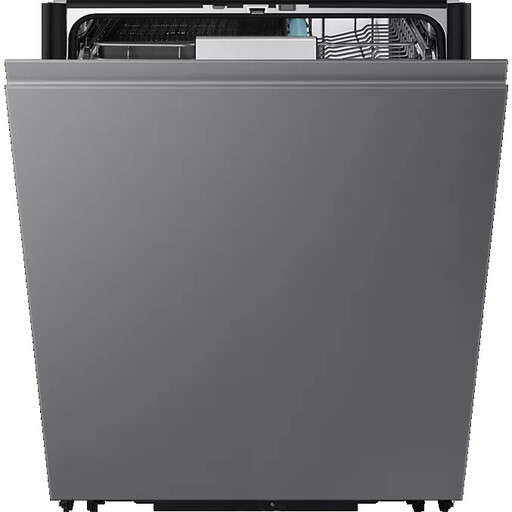 Image unavailable
Samsung DW90H79JAI0U1 Bespoke AI, 60 cm built-in, 14 place settings, Class A
Worth considering if you’re looking for a built-in model with 14 place settings that you can fill regularly. Check the space available in the housing, the required door panel and the eco programme duration for this model.
View on Joybuy
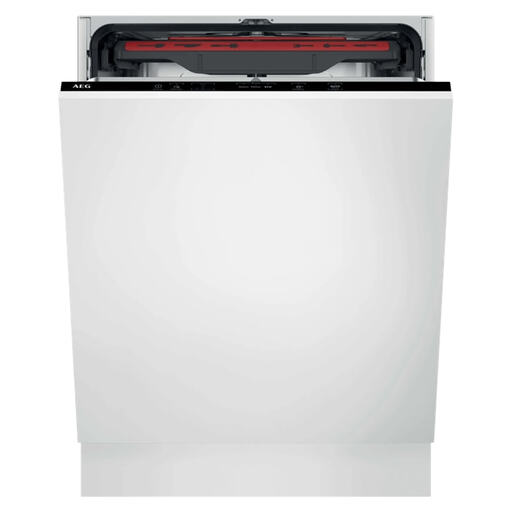 Image unavailable
AEG FSB34707Z, 60 cm fully integrated, 14 place settings, Class C
Worth considering if you’re planning to fit a kitchen door panel and want a capacity of 14 place settings. Check the appliance dimensions in its instructions before measuring your housing, then see whether the baskets suit your dishes.
View on Joybuy
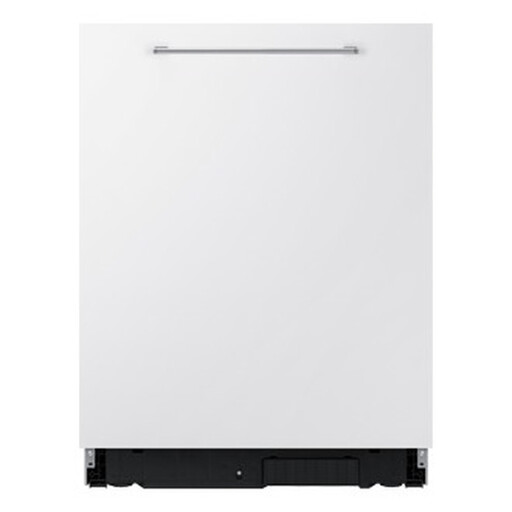 Image unavailable
Samsung DW70H72WCB0U1, 60 cm built-in, 13 place settings, Class C
Worth considering for a fitted kitchen if 13 place settings suit the amount you load between cycles. Check the label for this model to compare water and energy use and the eco programme duration, then check the installation dimensions.
View on Joybuy
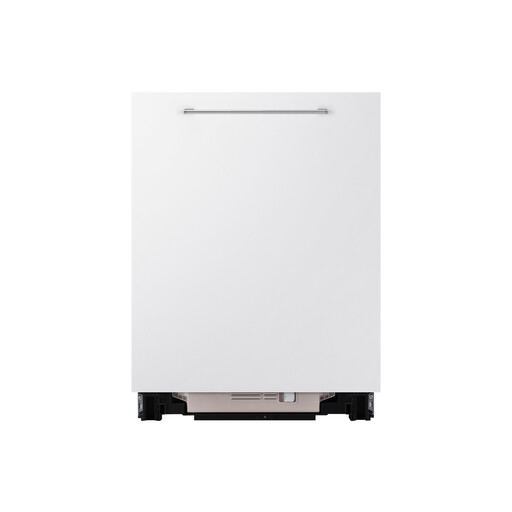 Image unavailable
Samsung DW80H72YBB0U1, 60 cm built-in, 13 place settings, Class B
Worth considering if you want to integrate a 13-place-setting appliance into a fitted kitchen. Compare the litres per cycle, kWh per 100 cycles and eco programme duration on its label, and check the instructions to make sure it will fit your housing.
View on Joybuy
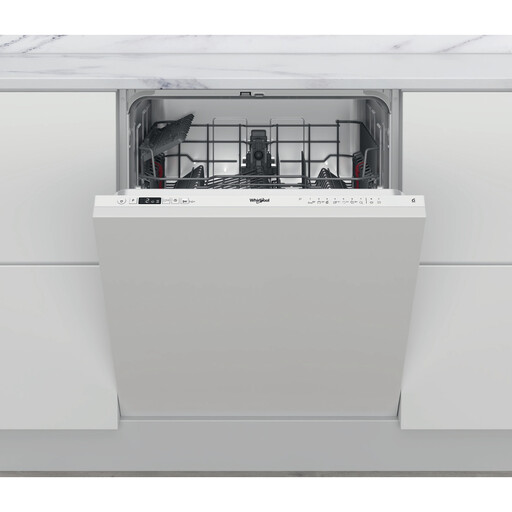 Image unavailable
Whirlpool W2I HD526 A, white 60 cm built-in, 14 place settings, Class E
Worth considering if you can regularly fill a built-in model with 14 place settings. Check the housing and door panel, then compare the consumption figures and eco programme duration on this model’s label with those of the other options you’re considering.
View on Joybuy
Frequently asked questions
What should I compare on the label if I run my dishwasher frequently?
Compare the kWh per 100 cycles, litres per cycle, capacity in place settings, eco programme duration and noise level. ADEME and the European Commission present these as key details on the label; the energy rating alone won’t tell you whether the capacity and duration suit your household.
Do the stated consumption figures apply to a half load or every programme?
No: the reference figures don’t promise the same consumption for every programme or load. The European regulation on dishwasher energy labelling specifies measurements or calculations using the eco programme and an appliance loaded to its rated capacity. Use these figures to compare models, then take into account how you load yours.
How can I tell if a built-in dishwasher will fit in my kitchen?
Measure the width, height and depth of the housing, then compare them with the installation details for the exact model. UFC-Que Choisir points out that a built-in dishwasher is designed for a dedicated housing; also check the door panel required for your chosen type of integration.
Where can I find a model’s declared specifications?
The QR code on the label may link to EPREL, the European Commission’s database of product details for items carrying an energy label. Check that the reference you look up matches the exact dishwasher you’re considering.


