Households with washing-up piling up
If several meals quickly fill the sink, look at the stated capacity and basket layout. Pots and bulky dishes matter just as much as the number of place settings.


Choose a dishwasher that can handle the washing-up that builds up between cycles, while still fitting in your kitchen. A 60 cm model generally offers more capacity than a 45 cm one, while a slimline appliance can solve a space problem at the cost of running it more often. Then compare the Eco programme figures for models with similar capacities, and check the dimensions, any required furniture door and the connections before you order.
If several meals quickly fill the sink, look at the stated capacity and basket layout. Pots and bulky dishes matter just as much as the number of place settings.
The available width, a fitted space or an existing furniture door may determine the type of installation you need. Also check how much room is needed to open the door and access the connections.
To compare appliances with similar capacities, look at energy use, water consumption and the Eco programme duration. Don’t forget noise levels if your kitchen opens onto a living area.
Start with the amount of washing-up and the space available: these two factors will help you choose a size. The energy label and programmes can then help you compare models that suit your kitchen.
| Criterion | What to check | Who is it important to? |
|---|---|---|
| Capacity and layout | Compare the number of place settings with the actual space for dishes and pots. UFC-Que Choisir generally puts 60 cm appliances at 12 to 17 place settings, compared with 9 to 10 for 45 cm models. | When washing-up from several meals builds up, I want to fit in larger utensils too, without running extra cycles; around 36% of consumers prioritise this capacity. |
| Space and installation | Measure the space and check the installation type, door clearance, and the position of the water inlet and drain. For an integrated model, check the furniture door too. | In a narrow or already-fitted kitchen, my first priority is being able to install the appliance without it clashing with the units; this is the main consideration for around 29% of consumers. |
| Energy and water | For similar capacities, compare the kWh per 100 cycles and litres per cycle for the Eco programme. ADEME states that energy consumption is shown for 100 reference cycles. | If the appliance will be used regularly, I want to compare what it uses each time; around 21% of consumers put energy and water use first. |
| Cycle times | Check the Eco programme duration, the available programmes and the drying method on the model you’re considering. UFC-Que Choisir assesses Eco and Auto or Normal programmes separately in its test protocol. | Between meals, I need a cycle that fits my schedule and the washing-up I have to do; for around 14% of consumers, cycle times are the main consideration. |
A slimline appliance takes up less space, but you may need to run it more often if dishes and pots quickly fill the baskets.
Compare the capacity and interior layout with the utensils you actually use, then measure the space where it will go.
The rating letter alone doesn’t tell you how much washing-up the appliance can hold, how much water it uses or how long the Eco programme takes.
For similar capacities, also check the kWh per 100 cycles, litres per cycle and programme duration shown on the label.
An integrated appliance needs to fit its housing and furniture door. Electrolux’s pre-installation guide states that its installers don’t carry out joinery, plumbing or electrical work.
Check the model’s instructions and confirm who supplies and fits the furniture door, as well as what adjustments are needed for the connections.
The duration and consumption figures for the Eco programme don’t automatically apply to other programmes. UFC-Que Choisir assesses several cycles separately in its test protocol.
Check the programmes available on the exact model and choose a cycle to suit the washing-up and the time you have.
Bosch offers 45 cm and 60 cm freestanding dishwashers: compare the two widths with the space available and your household’s usual load.
Siemens offers freestanding and built-in appliances, which you can compare based on your kitchen layout.
Miele offers freestanding appliances and models designed for different types of integration.
The Beko BDFS26120XQ is an example of a 45 cm freestanding model listed for 11 place settings, worth considering when you need a narrower appliance.
These models cover two of the configurations discussed here: freestanding installation in a suitable space, and integration into a fitted kitchen. For each one, compare the stated capacity with the dishes you use, then check the measurements and connections before buying.
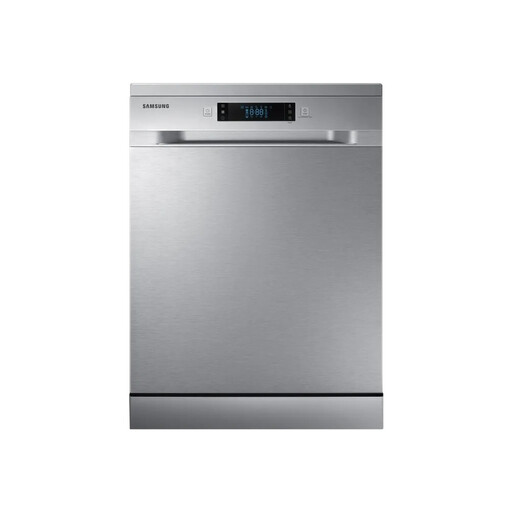 Image unavailable
Worth considering if you’re looking for a capacity of 14 place settings for everyday washing-up. The product name lists seven programmes; check the Eco programme duration and available space for this model before choosing.
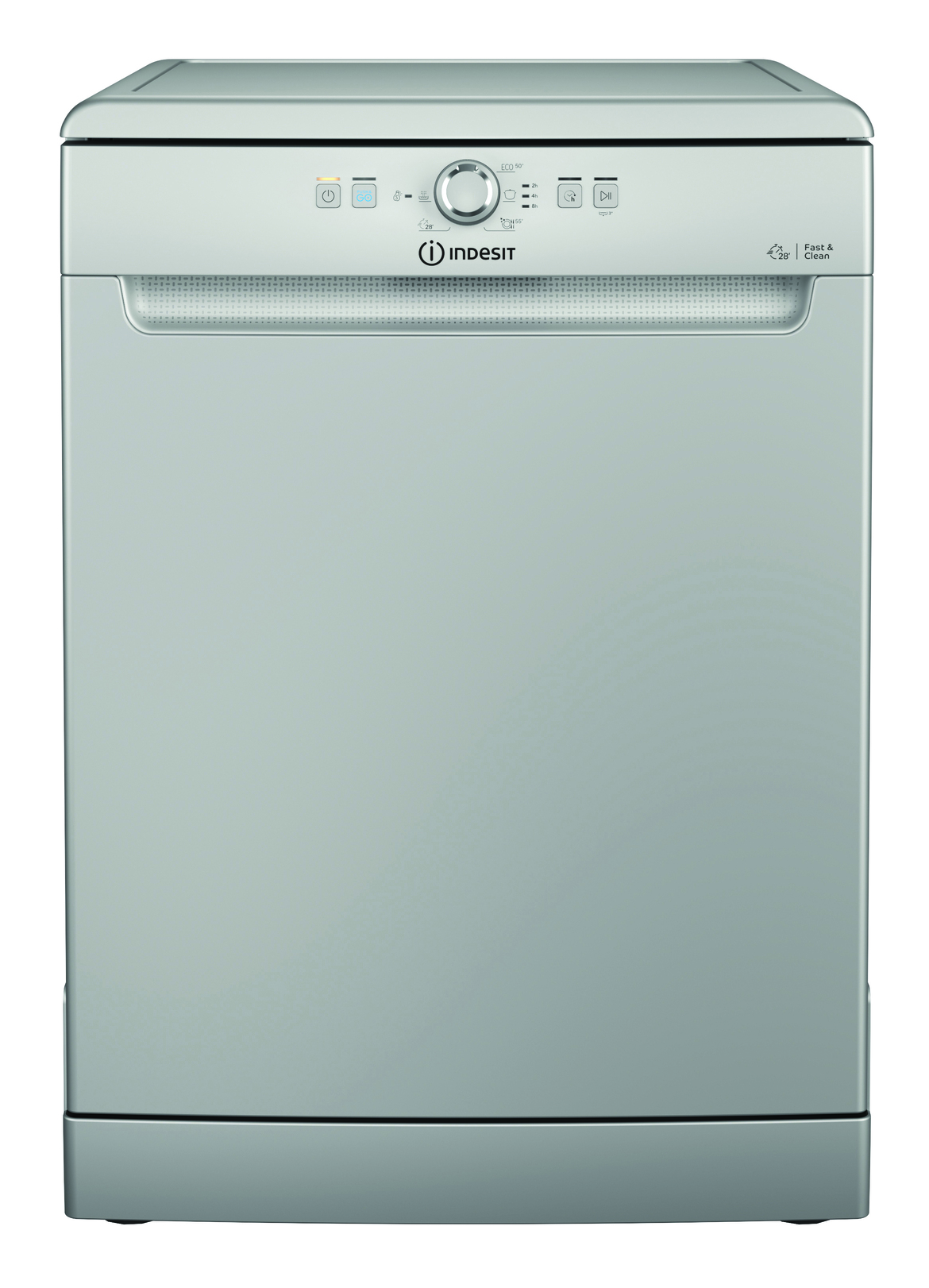 Image unavailable
An option to compare if you have a 60 cm space and need a stated capacity of 14 place settings. The title gives it an E energy rating; also check the consumption figures and Eco programme duration to compare how it performs in use with other models.
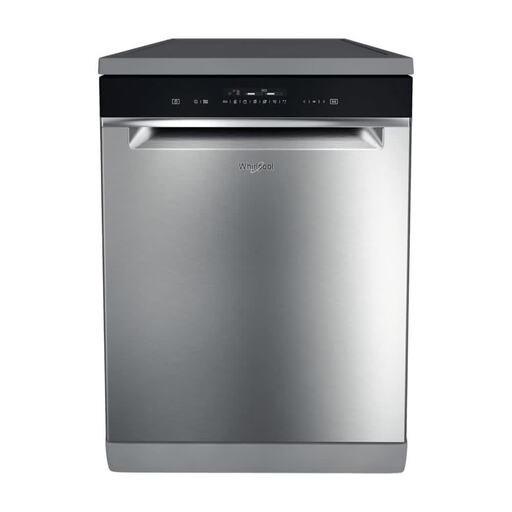 Image unavailable
Worth considering if you need a stated capacity of 14 place settings and want a freestanding model. The title gives it a C energy rating, but the width information is contradictory: have the exact dimensions confirmed before planning where it will go.
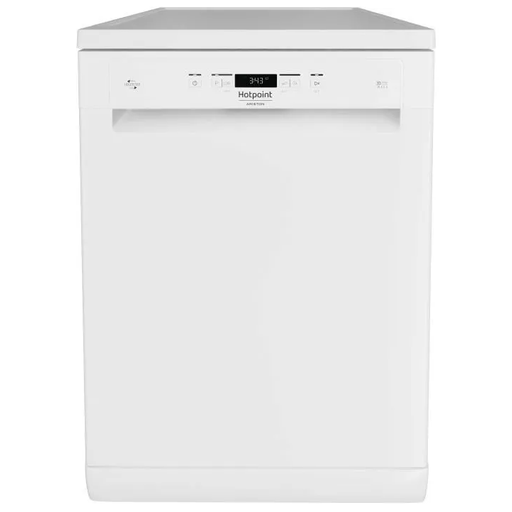 Image unavailable
Worth comparing if your kitchen can fit a 60 cm freestanding model and 14 place settings suit your usual loads. The title states 41 dB and a C energy rating; also check the Eco programme duration, final dimensions and door clearance.
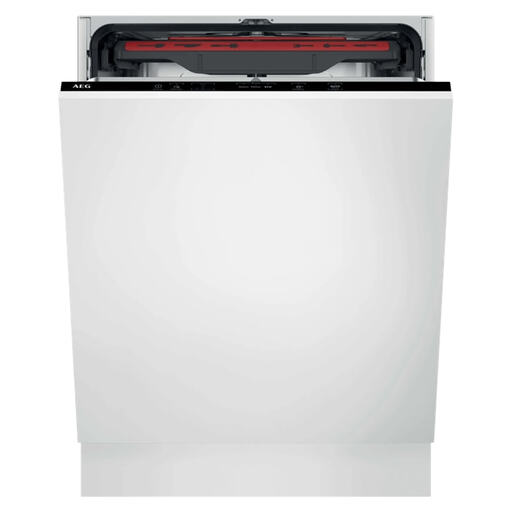 Image unavailable
Worth considering for a fitted kitchen with a space designed for an integrated dishwasher. The stated capacity is 14 place settings and the title gives it a C energy rating; confirm the exact dimensions, compatible furniture door and fitting requirements, as the width information is contradictory.
Start with the amount that builds up between cycles, then check that the baskets can hold your dishes and pots. UFC-Que Choisir gives a general guide of 12 to 17 place settings for 60 cm models and 9 to 10 for 45 cm models; these figures don’t replace checking the usable interior space.
For dishwashers with similar capacities, compare the kWh per 100 cycles, litres per cycle, Eco programme duration and noise level. ADEME shows energy consumption based on 100 reference cycles, so the energy rating alone doesn’t sum up all these factors.
Measure the housing and check that the furniture door, hinges and connections are compatible with the model’s instructions. Also confirm what’s included in the installation service: Electrolux’s pre-installation guide states that its installers don’t carry out joinery, plumbing or electrical work.
Don’t assume they produce the same results or use the same resources: how they perform varies by appliance. UFC-Que Choisir tests Eco and Auto or Normal programmes separately; check the cycles available on the model you’re considering and choose according to how dirty the dishes are and how much time you have.