Which features should you check first?
Start by working out how much space you have and what you need to fit inside: 45 or 60 cm width, installation type and usable capacity each address different needs. Then compare the Eco programme figures and noise levels of the models that will genuinely suit your kitchen.
| Feature |
What to check before buying |
What matters to consumers |
| Capacity and loading |
Place setting capacity and basket layout for your dishes, salad bowls and pans. |
When dishes pile up between cycles, I want to fit larger items too, without having to wash them by hand; around 33% of consumers put capacity first. |
| Space and installation |
Appliance dimensions, door clearance and connections; for an integrated model, check that the housing and door panel are compatible. |
In a narrow kitchen or one with a fitted housing unit, I need an appliance that can be installed and opened properly. Around 27% of consumers put this compatibility ahead of other features. |
| Water and energy |
kWh per 100 Eco cycles, litres per Eco cycle and the model’s capacity. |
If the dishwasher runs regularly, I want to compare the water and electricity each model uses on a like-for-like basis; around 27% of consumers prioritise these figures. |
| Noise |
Noise level in dB(A), noise class and proximity to living areas. |
With an open-plan kitchen, I want to minimise disruption while the dishwasher is running. Noise is the top priority for around 13% of consumers. |
ADEME says the energy label provides information including capacity, consumption and noise levels. For household dishwashers, Delegated Regulation (EU) 2019/2017 sets out measurements based on the Eco programme with the appliance loaded to capacity. These figures therefore do not automatically apply to other programmes or reflect how often your household will run the dishwasher.
Brands to compare, model by model
These ranges offer examples of sizes to consider. The features mentioned apply to the specific models listed, not every dishwasher from that brand.
Bosch
Bosch offers freestanding and integrated dishwashers in 45 and 60 cm sizes. The brand presents its 45 cm models as a solution for kitchens where space is tight.
- The integrated SPV4EMX17E model lets you compare its dimensions and stated water consumption for the Eco programme.
- Check the dimensions of the housing and the figures for the exact model: size alone doesn’t determine its capacity or consumption.
Beko
Beko offers 45 cm models that are freestanding or integrated, worth considering when width is a key factor.
- Beko lists a capacity of 10 place settings for some 45 cm models, including the freestanding BDFS26040XA.
- This stated capacity doesn’t apply to every model. Also check the interior layout, dimensions and Eco figures for the one you choose.
Miele
The Miele range includes 45 and 60 cm dishwashers, with different configurations to compare depending on the space available.
- Miele lists a width of 45 cm and a noise level of 44 dB for its freestanding G 5740 SC SL model.
- These figures apply to this model only. Compare them with the capacity, consumption and installation type of any other models you’re considering.
Dishwashers for everyday loads
These 60 cm models, both freestanding and integrated, are worth considering if dishes pile up after meals and your kitchen can accommodate one. Check how much you can really fit and any installation requirements before comparing their features.
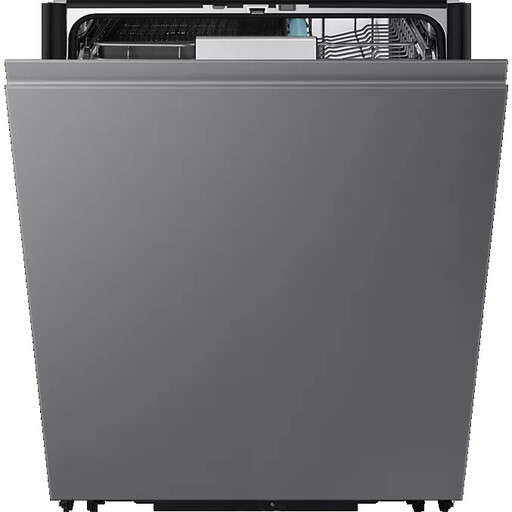 Image unavailable
Samsung DW90H79JAI0U1 Bespoke AI, 60 cm integrated dishwasher, 14 place settings
Worth considering if you want to fit a 14-place-setting dishwasher in a fitted kitchen. It has an A energy rating; check the housing dimensions, compatible door panel and Eco figures on the energy label for the model on offer.
View on Joybuy
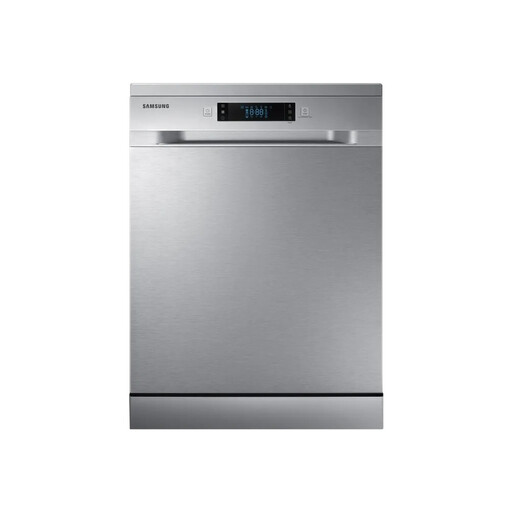 Image unavailable
Samsung DW60M6050FS, freestanding, 14 place settings, grey
A freestanding option to consider if you regularly need to wash a large amount of dishes. The model is listed with seven programmes; check the space needed for the door to open and compare its Eco figures on the energy label.
View on Joybuy
 Image unavailable
Indesit D2F HK26 S, 60 cm freestanding, 14 place settings, grey
Worth considering for large everyday loads if you have space for a 60 cm freestanding model. It has an E energy rating; also check the energy label to compare its Eco figures and noise level with other appliances that suit your kitchen.
View on Joybuy
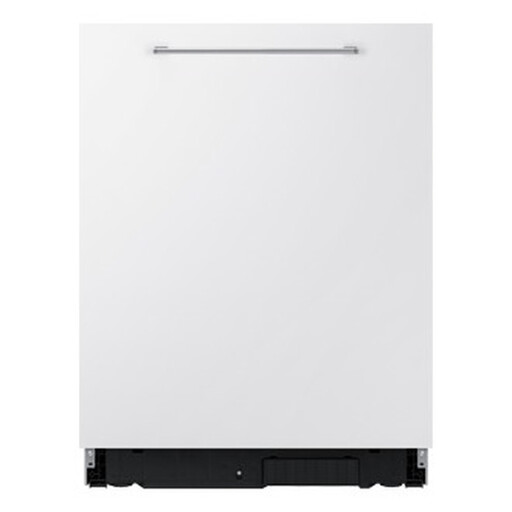 Image unavailable
Samsung DW70H72WCB0U1, 60 cm integrated dishwasher, 13 place settings
Worth considering if 13 place settings is right for your household and you have a suitable housing unit. It has a C energy rating; check the dimensions, door clearance and connections, then look at the Eco programme’s water and energy figures on the label.
View on Joybuy
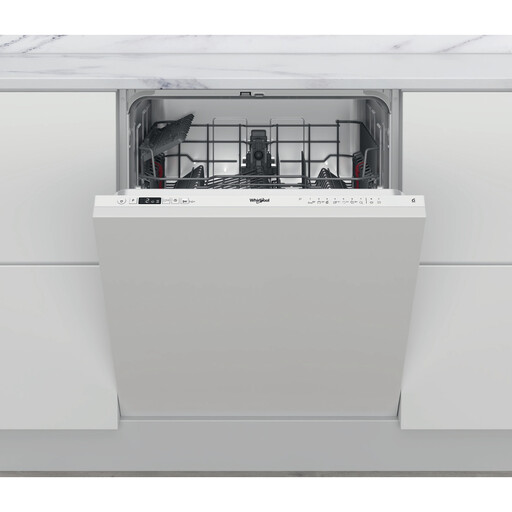 Image unavailable
Whirlpool W2I HD526 A, 60 cm integrated dishwasher, 14 place settings, white
Another integrated option to consider for large everyday loads. It has an E energy rating; check that the housing and connections are suitable, and compare the Eco figures on the energy label before assessing its consumption against other models.
View on Joybuy
Frequently asked questions
Should you choose 45 or 60 cm if dishes pile up every day?
A 45 cm model is worth considering if space is limited or if a small household is happy to run the dishwasher often. If plates and dishes quickly fill the baskets, also compare 60 cm models that fit your kitchen. Que Choisir describes 45 cm models with a capacity of 9 place settings as suitable for a small family, although they may need to be run every day. Whichever size you choose, check that there’s enough room for your larger items.
Can a compact dishwasher replace a 45 or 60 cm model?
A compact model is worth considering if neither a 45 nor 60 cm appliance fits the available space, and you don’t have many dishes to wash between loads. Before choosing one, check the specific model’s usable space for your dishes, the connections it needs, its Eco figures and noise level. Its size alone won’t tell you what to expect from these features.
What should you compare on the energy label?
Compare the energy rating with the energy and water figures, capacity, Eco programme duration and noise level, rather than focusing on a single letter. For household dishwashers, Delegated Regulation (EU) 2019/2017 bases the relevant measurements on the Eco programme with the appliance loaded to capacity. Check the figures separately for the programmes you normally use.
What should you check before choosing an integrated dishwasher?
Before choosing an integrated model, check the dimensions of the housing, whether the door panel is compatible, door clearance and connections. Bosch recommends using a professional to install its dishwashers as built-in models. If you’re preparing to install one yourself, consult the instructions for the model you’ve chosen.


