Households with lots of washing up every day
If dishes and utensils pile up between washes, look at the capacity and basket layout, not just the advertised place settings. Que Choisir generally puts 60 cm models at between 12 and 17 place settings.


To cut down on washing up by hand, first choose a dishwasher that can handle your usual loads and will actually fit in your kitchen. A 60 cm model generally offers more capacity than a 45 cm one, while a compact model can suit smaller loads if the space and water supply are suitable. Then compare the Eco programme figures on the energy label, the noise level, and installation and running costs. Savings will vary from household to household.
If dishes and utensils pile up between washes, look at the capacity and basket layout, not just the advertised place settings. Que Choisir generally puts 60 cm models at between 12 and 17 place settings.
If space or worktop room is limited, measure the available area first. A 45 cm model or a compact dishwasher may be an option, depending on its capacity and the connections it needs.
For an open-plan kitchen or frequent washing, compare the stated noise level and Eco programme consumption. Include installation services and consumables when comparing offers.
Start with the load you need to wash and the space available: these two factors determine which sizes are suitable. Then compare the energy label figures on a like-for-like basis, along with the installation requirements.
| Criterion | What to check | What matters to shoppers |
|---|---|---|
| Usable capacity | Number of place settings and the room available for dishes in the baskets. | If pans and plates quickly fill the sink, I want to avoid running multiple cycles or finishing the job by hand. Around 31% of consumers would prioritise capacity. |
| Space and installation | Appliance dimensions, door clearance and, for a built-in model, compatibility with the housing and cabinet door. | In a narrow kitchen, I need to be able to install and open the appliance without obstructing the walkway. The space available would be the top consideration for around 31% of consumers. |
| Running costs | kWh per 100 Eco cycles and litres per cycle on the label; installation services and consumables. | With regular washing, I want to take account of costs after purchase, not just the appliance itself. Around 25% of consumers would put the overall cost first. |
| Noise | Noise level and noise class shown on the energy label. | When the kitchen opens onto the living area, I want to be able to start a cycle without its noise taking over the evening. Quietness would come before other criteria for around 13% of consumers. |
ADEME explains that the consumption figures shown relate to the reference programme. They make it possible to compare appliances, but cannot predict a household’s costs on their own. To choose between two similar models, also check their repairability index and the features of the programmes you plan to use.
A built-in model is designed for a suitable housing unit and cabinet door; simply finding a space for it under a worktop is not enough.
Measure the housing and available clearance, then check the installation diagram, door type and fixing method for the model you’ve chosen.
The cabinet door and its installation may incur additional costs.
The number of place settings doesn’t tell you how your salad bowls, saucepans and large dishes will fit in the baskets.
Check whether the baskets are height-adjustable, whether the supports fold down, and how much room you need for the items you wash most often.
How often you run a cycle, which programmes you use and your tariffs all affect your actual costs. The figures on the label are based on a reference programme.
Compare kWh per 100 cycles and litres per cycle on the label, then factor in your usage and tariffs.
Remember to budget for water, electricity and consumables.
A countertop appliance still needs the water supply and drainage arrangement specified for that model.
Read the manual and check the water supply, drain and electrical socket location before ordering.
If a water supply or drain needs to be installed, additional work may be required.
Bosch’s French range gives you the option of looking at 45 cm and 60 cm freestanding dishwashers.
Beko is worth considering if the available width in your kitchen points towards a slimline appliance.
The range includes fully integrated models to consider if your kitchen has a suitable housing unit.
Miele’s range includes 45 cm models, including freestanding options to consider when space is limited.
These models are designed for household loads of 13 or 14 place settings: four freestanding dishwashers and one built-in model for a compatible housing unit. The stated size doesn’t replace the need to check the dimensions, installation requirements and energy label for each appliance.
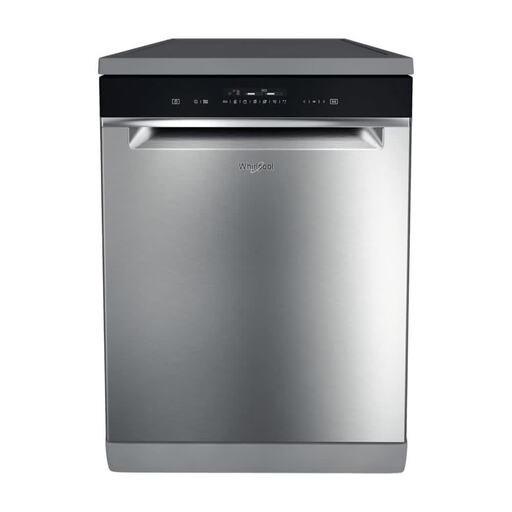 Image unavailable
Worth considering if you regularly have a large load to wash and want a freestanding appliance.
Listed as a 60 cm model with energy rating C. The dimensions in the description don’t match the stated width, so confirm the overall dimensions before deciding where it will go.
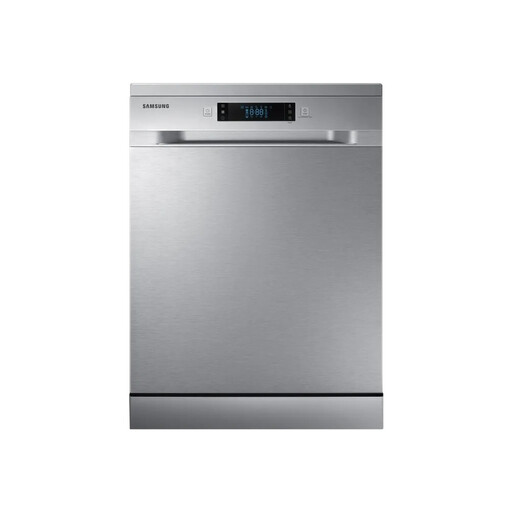 Image unavailable
Consider this if your everyday washing calls for a capacity of 14 place settings and you don’t need a built-in model.
This model is listed with seven programmes. Check the Eco cycle duration and consumption figures on its energy label before comparing running costs.
 Image unavailable
This size is suited to a household looking to fit a large load into a freestanding appliance.
Energy rating E. Before installation, check the manual for this model’s water connection requirements.
 Image unavailable
Worth considering for large loads if a 60 cm freestanding model will fit in your kitchen.
This model is listed at 41 dB with energy rating C. Its description mentions lead above 0,1 % in some welded components. Check the regulatory information that applies to this product before making your choice.
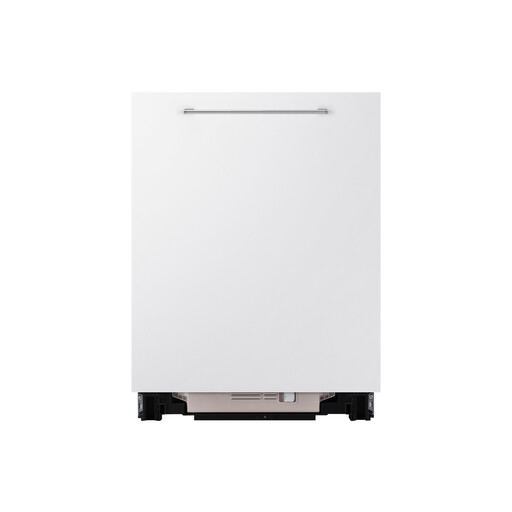 Image unavailable
Consider this if your kitchen has a housing unit suitable for a built-in dishwasher.
Energy rating B. Confirm the housing dimensions, the cabinet door required and its compatibility before ordering.
Compare the energy rating, kWh per 100 cycles, litres per cycle, capacity, Eco programme duration and noise level. As ADEME and the European Commission point out, these figures are based on the reference programme. They provide a common basis for comparison, but don’t guarantee your actual running costs.
Don’t assume that it does. Que Choisir states that built-in dishwashers are supplied without a cabinet door. Check what’s included in the offer, then make sure the door and its fittings are compatible with your chosen model.
Not necessarily: its water supply and drainage requirements depend on the model. Que Choisir describes, for example, a compact model that needs a water supply and drain, or a nearby sink. Read the manual before setting aside space for it on your worktop.
Check the repairability index for the model you’re interested in, then look at the information available on spare parts and documentation. The score applies to a specific model: it cannot, on its own, be used to judge an entire brand or predict how long the appliance will last.
Allow for any services needed to install the appliance, as well as running costs. Depending on your kitchen and the offer, this may include delivery, installation, connections or a cabinet door, followed by water, electricity and consumables. Check which services are included before comparing two offers.