What should you check before buying?
Start with the size of your typical load and the space available, then compare the key indicators for everyday use. ADEME explains that the energy label shows information including water and electricity consumption, the Eco programme duration and the noise level.
| What matters |
What to check |
Who should consider it? |
| Capacity |
Count the dishes that build up between cycles, including serving dishes, then check the stated capacity and rack layout. |
When meals quickly fill the sink, I want to avoid running an extra cycle for pans and plates; around 31% of consumers put capacity first. |
| Space and installation |
Measure the space, including with the door open, and check the manual for the connections required or, for a compact model, how it fills and drains. |
In a narrow or already fitted kitchen, I need to be able to install and use the appliance without blocking the way; space and installation are the top priority for around 31% of consumers. |
| Water and energy |
For models with a similar capacity, compare kWh per 100 cycles, litres per Eco cycle and the duration of that programme. |
If the washing-up builds up every day, I want to choose a model based on the cycles I’ll actually run; around 25% of consumers put water and energy first. |
| Noise |
Check the noise level in dB on the label and consider when the appliance will be running. |
With an open-plan kitchen or evening cycles, I want to keep noise to a minimum; this is the main concern for around 13% of consumers. |
Models for different kitchens
This selection from Joybuy includes freestanding dishwashers for floor-standing installation and an integrated model for a fitted kitchen. Compare their stated capacities with your usual load, then check the dimensions and manual for the model you choose.
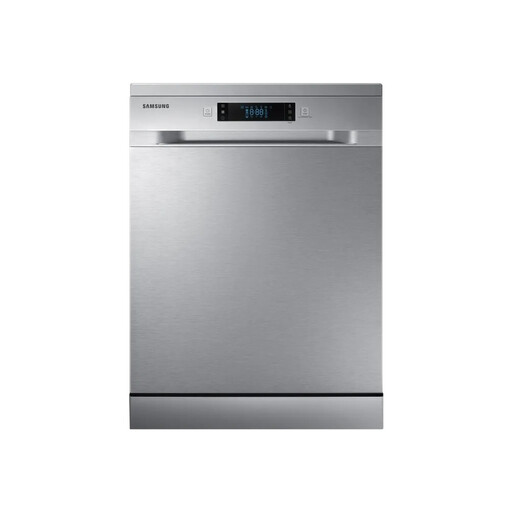 Image unavailable
Samsung DW60M6050FS, 14 place settings
Worth considering if several meals create a large load and you have space for a freestanding model.
The product title states 14 place settings and 7 programmes. Check the dimensions, connections and energy label for the model being sold.
View on Joybuy
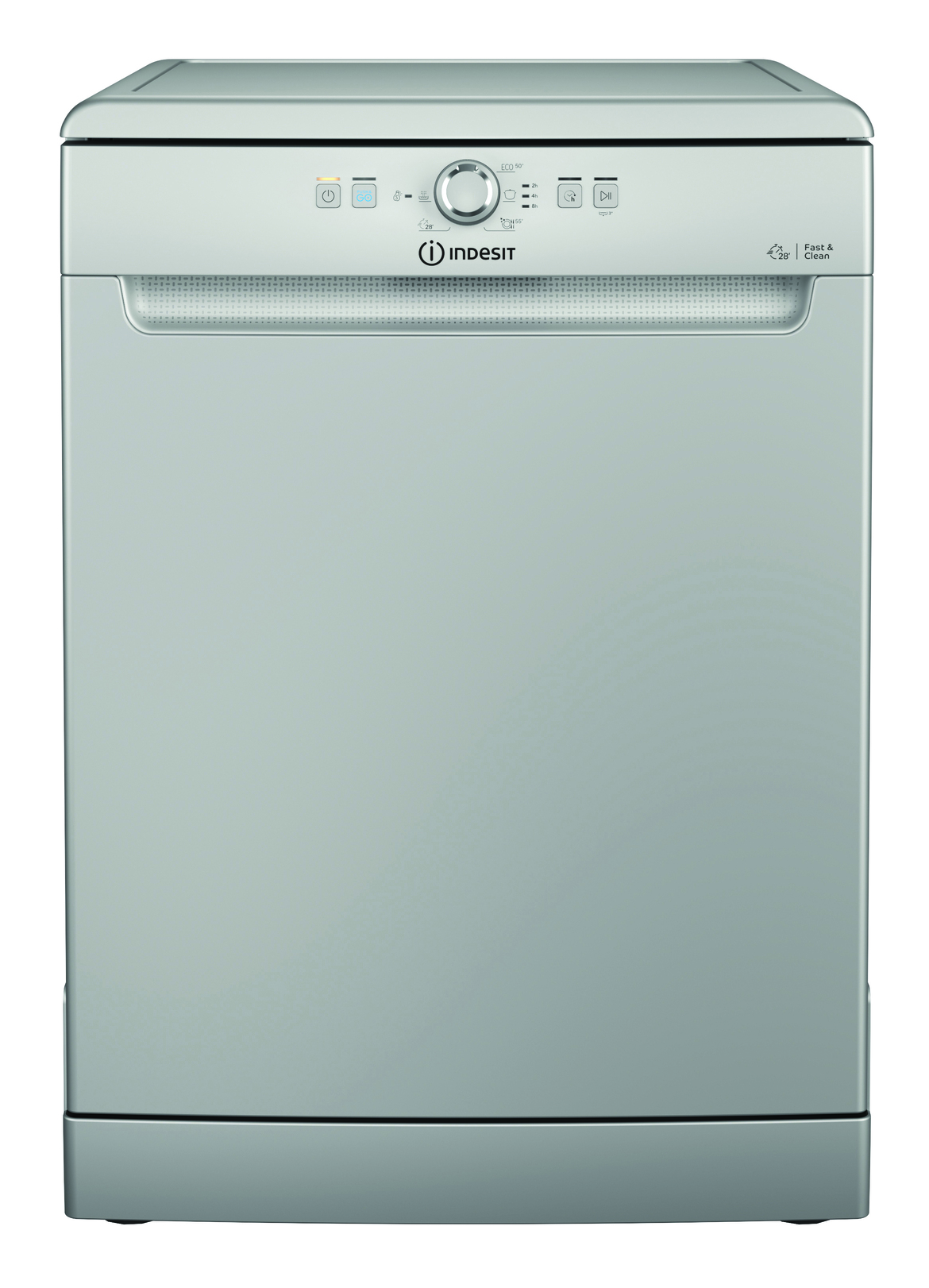 Image unavailable
Indesit D2F HK26 S, 14 place settings
Worth considering for a large everyday load if your kitchen can accommodate a freestanding appliance.
The title states 14 place settings, a 60 cm size and an E rating. The measurements listed for this model are inconsistent: confirm its actual width before ordering, then check its energy label to compare consumption.
View on Joybuy
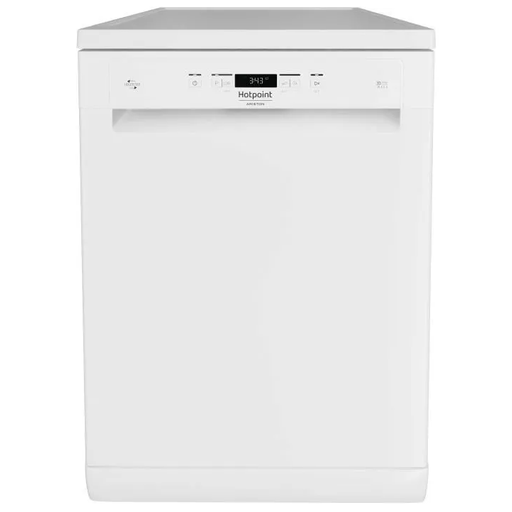 Image unavailable
Hotpoint H4FD641A, 14 place settings
Worth considering for a large load if noise levels are also important in your kitchen.
The title states 60 cm, 41 dB and a C rating. Check the figures on the label for the exact model. The description notes that hot steam is released when the door opens automatically at the end of a cycle. Bear this in mind, particularly if children could approach the appliance.
View on Joybuy
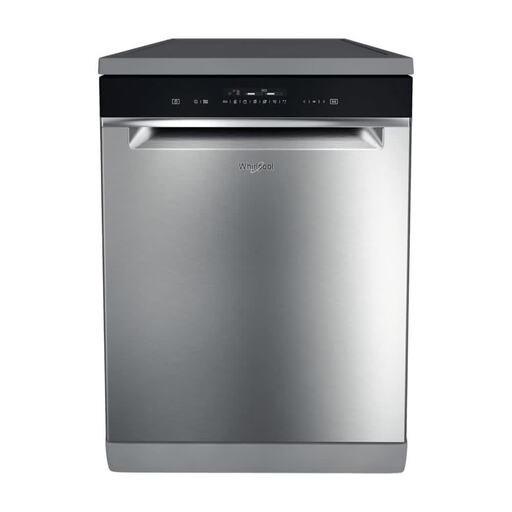 Image unavailable
Whirlpool WFP5O41PLGX, 14 place settings
Worth considering for large everyday loads, provided you first confirm that it will fit in your kitchen.
The title states 14 place settings and a C rating. It describes the model as 60 cm wide, while other listed dimensions give a width of 67.5 cm. Check the actual measurement in the model documentation before ordering.
View on Joybuy
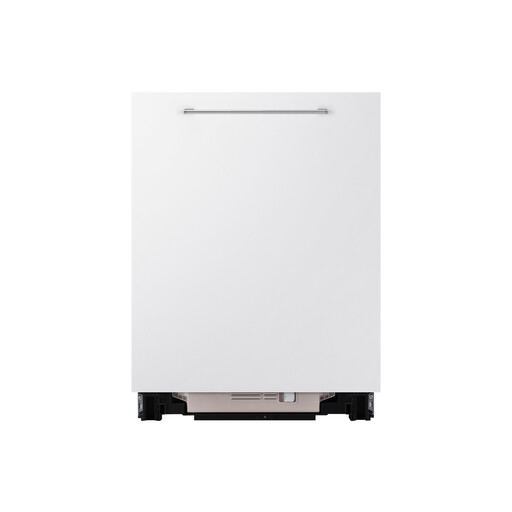 Image unavailable
Samsung DW80H72YBB0U1, integrated, 13 place settings
Worth considering if your fitted kitchen has a compatible housing unit and a stated capacity of 13 place settings suits your meals.
The title states a 60 cm size and a B rating. Check the manual for details of the housing, door, door panel and connections; consult the label for the exact model to see its consumption and noise level.
View on Joybuy
Frequently asked questions
Should you choose a compact model if you live alone or with one other person?
Not necessarily: your actual load and the space available matter more than the number of people in your household. Que Choisir gives a typical capacity of 9 to 10 place settings for a 45 cm model and also features 6-place-setting worktop models. Compare these capacities with the washing-up from several meals, including serving dishes.
Do you need a water inlet and a drain?
A plumbed-in dishwasher needs a water inlet, a drain and an electricity supply, as Whirlpool explains in its installation advice. Some compact models have a water tank; check the manual for the exact model to see how it fills and drains.
What should you look for on the energy label?
When comparing dishwashers with similar capacities, look at energy use in kWh per 100 cycles, water use per cycle, the Eco programme duration and the noise level. ADEME lists these as information shown on the energy label; the energy efficiency rating alone doesn’t tell you about every aspect of day-to-day use.
Does an integrated dishwasher wash better than a freestanding one?
The installation type alone doesn’t tell you whether a dishwasher will wash better. Que Choisir explains that integrated and freestanding models can have comparable washing performance and features. Choose based on the housing unit, the door panel you want and the specifications of the model itself.


