When choosing your first dishwasher for a shared household, start by measuring the space available and considering how much washing-up builds up between cycles. If space allows and you have large loads, begin by looking at 60 cm models; a 45 cm or compact model is better suited to limited space or smaller loads. Then compare the capacity, energy and water figures on the label, and don’t forget to check the Eco programme duration and noise level if the kitchen is next to your living space.
Who is this guide for?
Households with lots of washing-up every day
When several people cook and eat at home, the space available in the racks matters just as much as the stated place-setting capacity. Check whether your usual plates and pans will fit without needing to run the dishwasher too often.
People sharing a small kitchen
If the available width or worktop space limits your options, weigh the appliance’s footprint against the amount of washing-up you need to do. UFC-Que Choisir highlights 45 cm models with a capacity of 9 place settings and compact worktop models with a capacity of 6.
Households mindful of energy use and noise
In an open-plan kitchen, noise levels can matter as much as how you schedule your cycles. The label introduced by the European Commission shows energy use per 100 Eco cycles, water use per cycle, programme duration, capacity and noise level.
Which features should you prioritise?
First, choose a size that fits your kitchen and can hold your usual washing-up. Then compare the listed usage figures and noise levels of the models on your shortlist.
| Feature |
What to check |
Who should consider it? |
| Capacity and cycle frequency |
Measure the space and compare the place-setting capacity with the room needed for your plates and pans. An integrated model needs a suitably sized housing unit. |
When washing-up builds up between meals, I want to load the dishwasher without running lots of cycles. Around 36% of consumers prioritise this day-to-day capacity. |
| Water and electricity |
Compare the label figures for kWh per 100 Eco cycles and water per cycle, taking capacity and programme duration into account. |
If the dishwasher runs frequently, I want to understand what each cycle means for household use. Keeping consumption under control is the main concern for around 29% of consumers. |
| Noise in shared spaces |
Check the noise emission figure on the label and the duration of the programme you expect to use. |
In an open-plan kitchen, I don’t want a cycle to disturb others while they’re using the room. Quiet operation comes before other criteria for around 21% of consumers. |
| Maintenance and lifespan |
Check the filter care instructions and the repairability rating applicable to the model you’re considering. |
For an appliance shared by several people, I’d like everyone to be able to follow the maintenance steps and understand the repair options. Around 14% of consumers put ease of maintenance first. |
Mistakes to avoid
-
Choosing the narrowest size without considering what you need to wash
An appliance that takes up less space may need to run more cycles if several people also load plates and pans. UFC-Que Choisir highlights 45 cm models with a capacity of 9 place settings and compact worktop models with a capacity of 6.
Look at what actually builds up between washes, then check the rack layout before settling on a size.
-
Comparing energy ratings alone
The rating doesn’t tell you everything about capacity, water use per cycle, noise or Eco programme duration. The label described by the European Commission includes these details too.
Compare the figures on the same Eco-cycle basis, and consider whether the capacity and programme duration suit your mealtimes.
-
Planning for an integrated model without checking how it will fit
An integrated model is fitted into a dedicated housing unit, as UFC-Que Choisir explains. Depending on the type of integration, you may also need a furniture door panel.
Measure the housing unit and check whether a door panel is required, along with the installation requirements for your chosen model.
-
Relying on the energy label to make up for running half-empty cycles
How you use the dishwasher matters too. ADEME recommends waiting until it’s full before starting a cycle and not pre-rinsing the dishes.
Agree on a simple way to load the dishwasher together: scrape off large food scraps, follow the instructions in the manual and avoid overloading the racks.
Brands to consider
There are no brand profiles to display at the moment.
Dishwashers for these needs on Joybuy
This selection includes freestanding and integrated models for kitchens with a suitable housing unit. To choose between them, start with the space available and the amount of washing-up you do each day. Then check the label figures for each individual model.
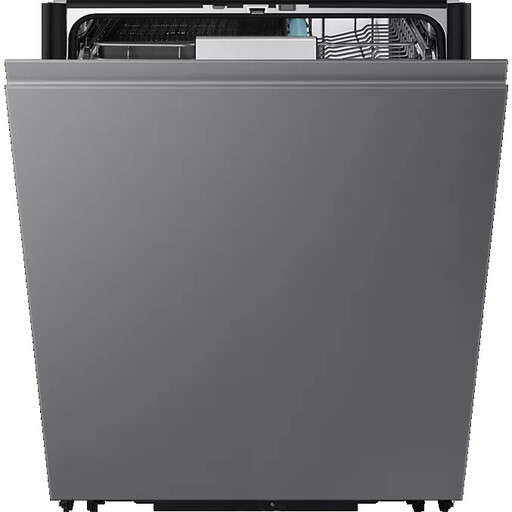 Image unavailable
Samsung DW90H79JAI0U1 Bespoke AI, 60 cm, 14 place settings
Worth considering if your household regularly fills a 14-place-setting dishwasher and has a suitable housing unit.
60 cm integrated dishwasher, energy rating A. Check whether a furniture door panel is required and check the model’s Eco programme duration on the label.
View on Joybuy
 Image unavailable
Indesit D2F HK26 S, 60 cm, 14 place settings, grey
An option to compare if you’re looking for a freestanding dishwasher for larger daily loads.
60 cm size, energy rating E. To compare its energy and water use with other models, check the Eco figures on its label.
View on Joybuy
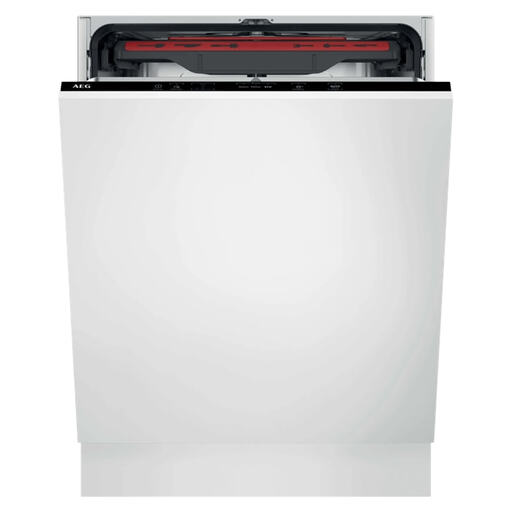 Image unavailable
AEG FSB34707Z integrated dishwasher, 14 place settings
For a fitted kitchen where an integrated look is preferred, provided you have a compatible housing unit.
Energy rating C. Check the exact installation dimensions before choosing a housing unit: the width information listed for this model is inconsistent.
View on Joybuy
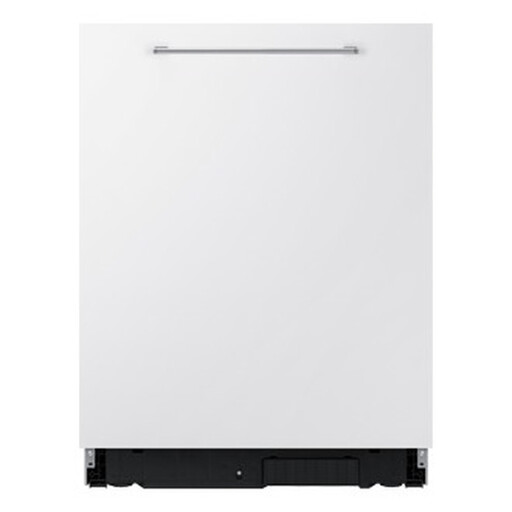 Image unavailable
Samsung DW70H72WCB0U1, 60 cm, 13 place settings
Worth considering for regular loads of washing-up if your kitchen can accommodate an integrated model.
Energy rating C. Confirm the housing unit dimensions and check the label to compare water use, energy use and Eco programme duration.
View on Joybuy
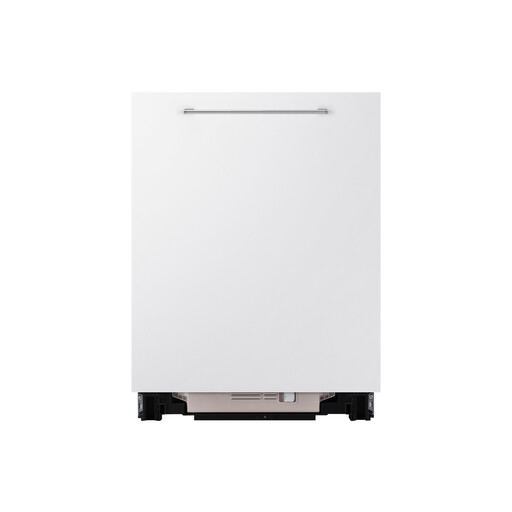 Image unavailable
Samsung DW80H72YBB0U1, 60 cm, 13 place settings
Another integrated option for a household whose usual load suits a 13-place-setting dishwasher.
Energy rating B. Before comparing its noise level or energy and water use, check the label figures and make sure it’s compatible with your housing unit.
View on Joybuy
Frequently asked questions
Which figures on the energy label should I compare?
Compare capacity, energy use per 100 Eco cycles, water use per cycle, Eco programme duration and noise level. The European Commission says these details appear on dishwasher labels. The energy rating alone won’t tell you whether an appliance suits your household’s load and schedule.
Is the Eco programme suitable for a shared kitchen?
Yes, as long as it finishes in time for when your household next needs the dishes. UFC-Que Choisir explains that this programme uses less water in exchange for a longer cycle. Check its duration on the model you’re considering, and compare the other programmes if you often need a quick cycle.
Should I pre-rinse dishes before loading the dishwasher?
No. ADEME recommends not pre-rinsing dishes and waiting until the dishwasher is full before starting a cycle. Scrape off large food scraps and follow the loading and maintenance instructions in the manual.
Can I choose an integrated model if my kitchen doesn’t have a housing unit?
An integrated dishwasher is designed for a suitably sized housing unit, as UFC-Que Choisir explains. If your kitchen doesn’t have one, consider a freestanding model instead. If it does, check its dimensions and whether a furniture door panel is required for the type of integration you’ve chosen.


