Households that get through a lot of washing-up
After frequent meals, plates, serving dishes and saucepans pile up alongside the cutlery. Useful capacity and basket layout matter if you want to avoid running a cycle too often.


A 60 cm dishwasher is suited to frequent, larger loads; a 45 cm model works where width is limited, while a compact dishwasher is best for smaller loads. If you rarely have dishes to wash or can’t install an appliance, hand-washing is still an option. Otherwise, compare how much washing-up you actually accumulate, the Eco programme figures and the noise level of the model you’re considering.
After frequent meals, plates, serving dishes and saucepans pile up alongside the cutlery. Useful capacity and basket layout matter if you want to avoid running a cycle too often.
You’d like to automate some of the washing-up, but don’t have much width or worktop space. Choosing between a 45 cm and a compact model also depends on how much washing-up you need each cycle to hold.
If a cycle will be running during a meal, an evening in or a spell of working from home, compare the stated noise level in dB(A) with the model’s capacity and energy and water consumption.
Start with the space available and how much washing-up you produce between washes. An appliance that can’t fit the items you use regularly won’t eliminate hand-washing.
Consider it: if meals regularly produce a large load and your kitchen can accommodate this width.
Bear in mind: it takes up more space than a 45 cm or compact model.
Consider it: if space is limited but a freestanding appliance would suit your household’s washing-up needs.
Bear in mind: it has less capacity than a full-size model, which could mean running more cycles.
Consider it: for a small load and a space that won’t accommodate a wider appliance.
Bear in mind: you may still need to hand-wash some serving dishes and saucepans.
Stick with it: if you don’t have much washing-up or installing an appliance isn’t practical.
Bear in mind: you’ll still need to set aside time and organise the washing-up yourself.
| Factor | What to check | Who is this important for? |
|---|---|---|
| Capacity and usage | Compare the stated place settings with your plates and saucepans, then check the basket layout. According to Que Choisir, 60 cm models generally hold 12 to 17 place settings, while 45 cm models hold 9 to 10. | After frequent meals, I want to fit all the washing-up that’s built up without running multiple cycles or having to hand-wash too many items. Around 40% of consumers make capacity their top priority. |
| Consumption and maintenance | Check the model’s label for kWh per 100 cycles, litres per cycle and the duration of the Eco programme. Also factor in the products and maintenance it requires. | If the appliance will run regularly, I want to understand what using and maintaining it will involve over time. This is the top priority for around 30% of consumers. |
| Noise | Compare the stated dB(A) levels, taking into account how close the appliance is to your living area and when you plan to run cycles. | In an open-plan kitchen, I want to be able to run a cycle without disturbing quiet activities nearby too much. Around 20% of consumers put noise first. |
| Whether you need an appliance | Check that you have a suitable space, water supply and drainage, then consider whether your usual load justifies using an appliance. | If I have very little washing-up or nowhere practical to put an appliance, I’d rather work out whether hand-washing already meets my needs. Avoiding an appliance that would rarely be used is the priority for around 10% of consumers. |
A 45 cm appliance may need to run more cycles if your everyday washing-up exceeds its capacity.
Compare the Eco figures for the models you’re considering and how many cycles you’d actually run with each one.
A figure per cycle isn’t useful for comparison if the programmes or stated conditions are different.
Compare the Eco programme figures on each model’s label, and don’t treat them as equivalent to figures for a quick programme.
Detergents, maintenance and any installation costs should also be factored into the cost of using the appliance.
A small difference in the figures can matter in an open-plan kitchen: ADEME says that an increase of three decibels means the noise is almost twice as loud.
Compare the stated dB(A) levels and think about when the appliance will be running near your living area.
Its limited capacity may leave serving dishes or saucepans to be washed by hand, even if plates and cutlery fit inside.
Make a note of the washing-up from a typical day, then check the model’s dimensions and interior layout.
Bosch offers both standard and compact dishwashers, so you can compare different sizes across its range.
Beko offers 45 cm models worth considering if limited space is narrowing your options.
Miele offers freestanding dishwashers in standard and slimline sizes, which are worth comparing if you’re considering different capacities.
These appliances include the 60 cm and compact sizes discussed above. First choose based on how much washing-up you have and the space available, then check the details of the model you’re interested in.
 Image unavailable
Worth considering if your household regularly builds up a large load and has room for a 60 cm freestanding appliance.
The product name states 14 place settings and an E energy rating. Check that your serving dishes and saucepans fit in the baskets, and check the model’s Eco figures on its label.
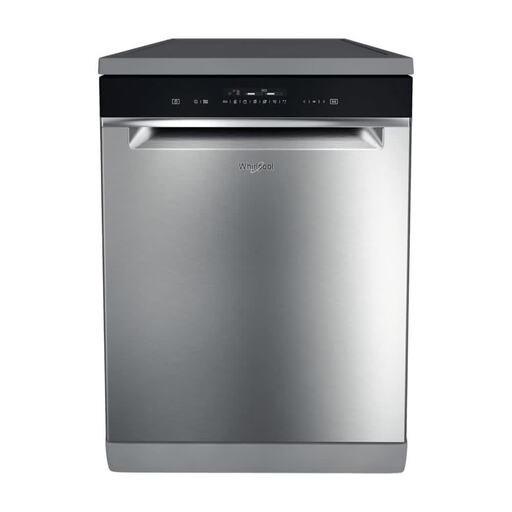 Image unavailable
Worth considering for a large load, but check its width before deciding where to put it.
The product name states 14 place settings, 60 cm and a C energy rating, while the dimensions also give a width of 67.5 cm. Confirm the model’s actual dimensions before making your choice.
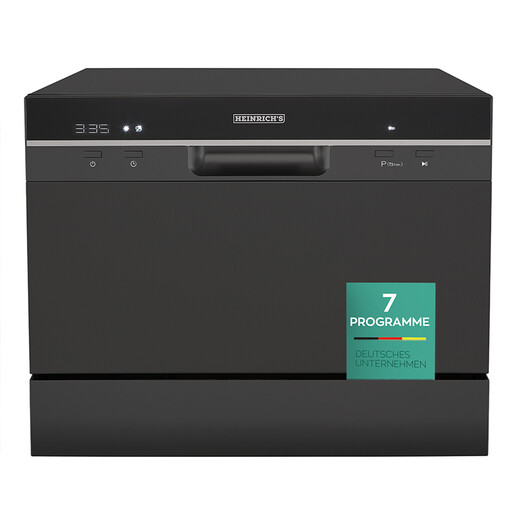 Image unavailable
This tabletop model is worth considering for a small load, once you’ve checked the space available and the connections it needs.
The product name states 7 programmes, 47 dB and a D energy rating. With space for 6 place settings, you may need to wash larger items separately.
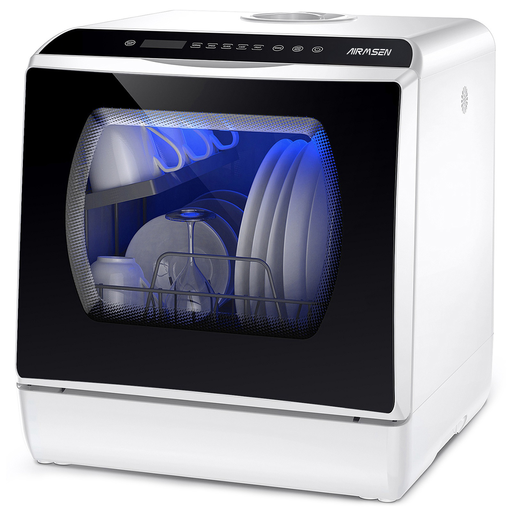 Image unavailable
Worth considering for a small load if a tank-fed water supply would suit your setup.
The product name states that it has a built-in 5 L tank and 5+1 wash cycles. Even with a tank, you’ll need a suitable way to drain the waste water, and should check that the appliance fits in your chosen space.
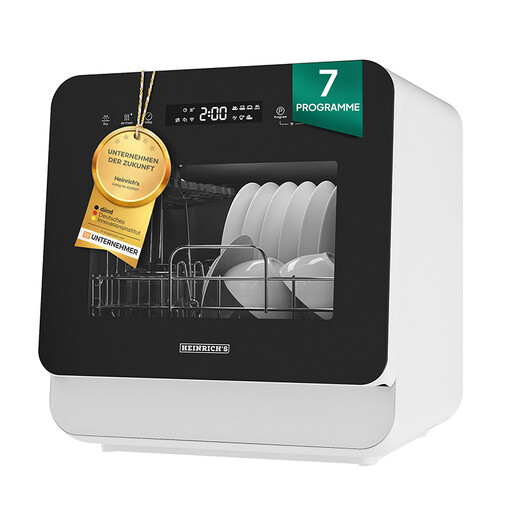 Image unavailable
Worth considering for a very small load, rather than the washing-up from several meals.
The product name states 7 programmes, 56.3 dB and a C energy rating. If the appliance will run near your living area, bear this stated noise level in mind and check the water supply and drainage options.
Compare capacity, kWh per 100 cycles, litres per cycle, Eco programme duration and noise in dB(A). To make these figures useful when choosing, also check that each model’s capacity suits the washing-up you actually produce.
Yes, if it can hold your usual load without making you run multiple cycles. According to Que Choisir, 45 cm models generally hold 9 or 10 place settings; check separately that there’s room for your serving dishes and saucepans.
Compare the stated dB(A) level with when you’ll run the appliance and how close it is to your living area, rather than relying on a single threshold. ADEME says that an increase of three decibels means the noise is almost twice as loud.
It may suit you if you can wait for the cycle to finish and want to prioritise water and electricity consumption. France Rénov’ says the Eco programme takes longer while using less water and electricity; check the duration and figures for the appliance you’re considering.