What should you check before buying?
Start with the amount of washing-up you actually produce and the space available. Then compare the usage figures for models that will fit.
| Criteria | What to check | What you need |
|---|
| Capacity and size |
Measure the space for a 45 or 60 cm model. Compare the stated place settings with your usual loads, and check that the racks have room for large dishes. |
My pans and plates need to fit without making me run the machine frequently when it’s only half full. |
| Consumption |
Check the kWh per 100 cycles, litres per cycle and Eco programme duration on the label. According to ADEME, the water and energy figures are based on reference cycles, so compare them on the same basis. |
I want to be able to plan regular cycles and compare their consumption without assuming the Eco programme figures apply to every other programme. |
| Noise |
Compare the stated dB level and noise class for each model. Also consider the cycle duration in relation to your schedule. |
In an open-plan kitchen, noise matters particularly if the machine is running while we’re in the room. |
| Washing and drying |
Look for programmes suited to your dishes, and distinguish between the quick cycle and the Eco cycle. To assess washing and drying results, consult comparative tests for the exact model, where available. |
A short cycle might come in handy, but I don’t want to assume it washes, dries or uses as little energy as the Eco programme. |
| Installation and maintenance |
Check the water supply, drainage and electricity supply at the intended location. For an integrated model, also check the housing and door panel; find out about commissioning and the consumables required. |
I’d rather know before ordering whether my kitchen needs adapting and which products I’ll need for everyday use. |
| How often you’ll use it |
Over several meals, keep track of how much washing-up you produce and how long you spend doing it. Consider whether you’d regularly fill a machine rather than leaving dishes waiting for a long time. |
If I can easily wash a few items after each meal, I can put off buying one. If the chore starts to pile up, a machine becomes more appealing. |
Some brands to know
These range and model examples give you an idea of the sizes available. Check the specifications of the exact model you’re interested in.
Bosch
Bosch offers 45 and 60 cm freestanding dishwashers in France. Consider them in light of the space available and the dishes you need to load.
- Bosch lists 9.0 L per Eco 50 °C cycle and a noise class B for the SMS4HMW08E.
- These specifications apply to the SMS4HMW08E, not to every Bosch dishwasher.
Beko
Beko’s 45 cm freestanding range is worth considering when your kitchen’s width limits your options.
- Beko states a maximum capacity of 10 place settings for the 45 cm BDFS26041XQ.
- For this slimline model, also check that there’s room for larger utensils and look at the consumption figures on the label.
Miele
The G 7042 SC AutoDos is an option to consider if your household regularly fills a large-capacity machine.
- For this model, Miele lists 14 place settings, an energy class A and 8.4 L per ECO programme cycle.
- These figures apply to the G 7042 SC AutoDos and don’t necessarily apply to other Miele models. Also check which consumables are suitable.
Dishwashers available on Joybuy
This selection includes freestanding models for combining the washing-up from several meals, as well as a fully integrated model for a suitably fitted kitchen. Check the space and connections before comparing their stated capacities.
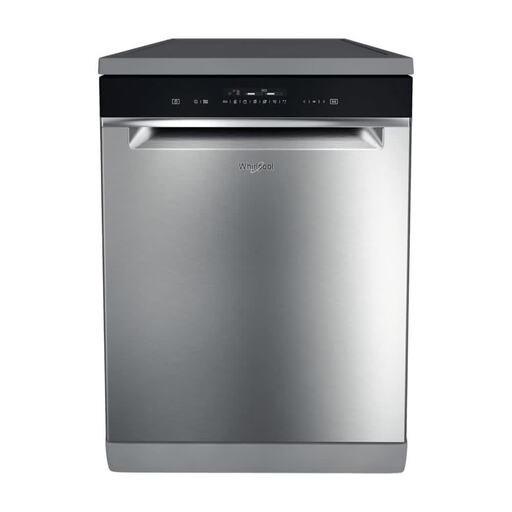 Image unavailable
Whirlpool WFP5O41PLGX, freestanding, 60 cm, 14 place settings
Worth considering if you regularly combine a large load and have space for a freestanding appliance. The product description lists a width of 60 cm, 14 place settings and energy class C. Confirm the exact dimensions before planning its installation.
View on Joybuy
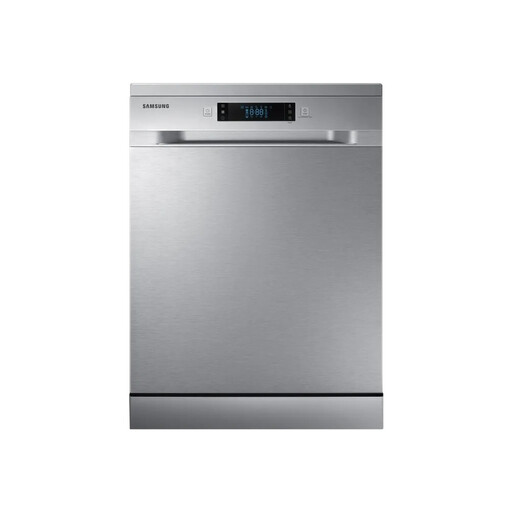 Image unavailable
Samsung DW60M6050FS, freestanding, 14 place settings
Its stated capacity of 14 place settings is worth comparing with the amount of washing-up you collect between cycles. The product description lists seven programmes; check how long they take and whether the racks suit the dishes you usually use.
View on Joybuy
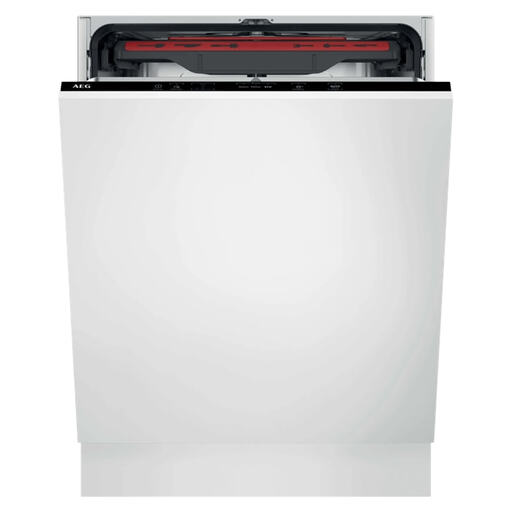 Image unavailable
AEG FSB34707Z, fully integrated, 60 cm, 14 place settings
This model is designed for a kitchen that can accommodate a fully integrated dishwasher. The product description lists 14 place settings and energy class C. Before choosing it, check the housing dimensions, door panel compatibility and connections.
View on Joybuy
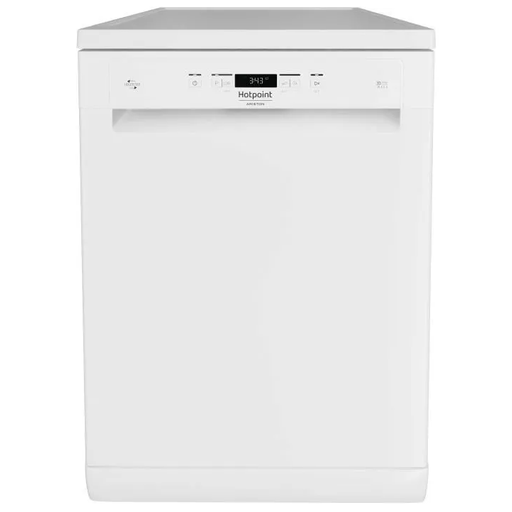 Image unavailable
Hotpoint H4FD641A, freestanding, 60 cm, 14 place settings
Consider this model if you can wait until you have a load suited to its stated capacity of 14 place settings. The product description lists a width of 60 cm, 41 dB and energy class C. Also compare the Eco cycle figures and check that you have enough space.
View on Joybuy
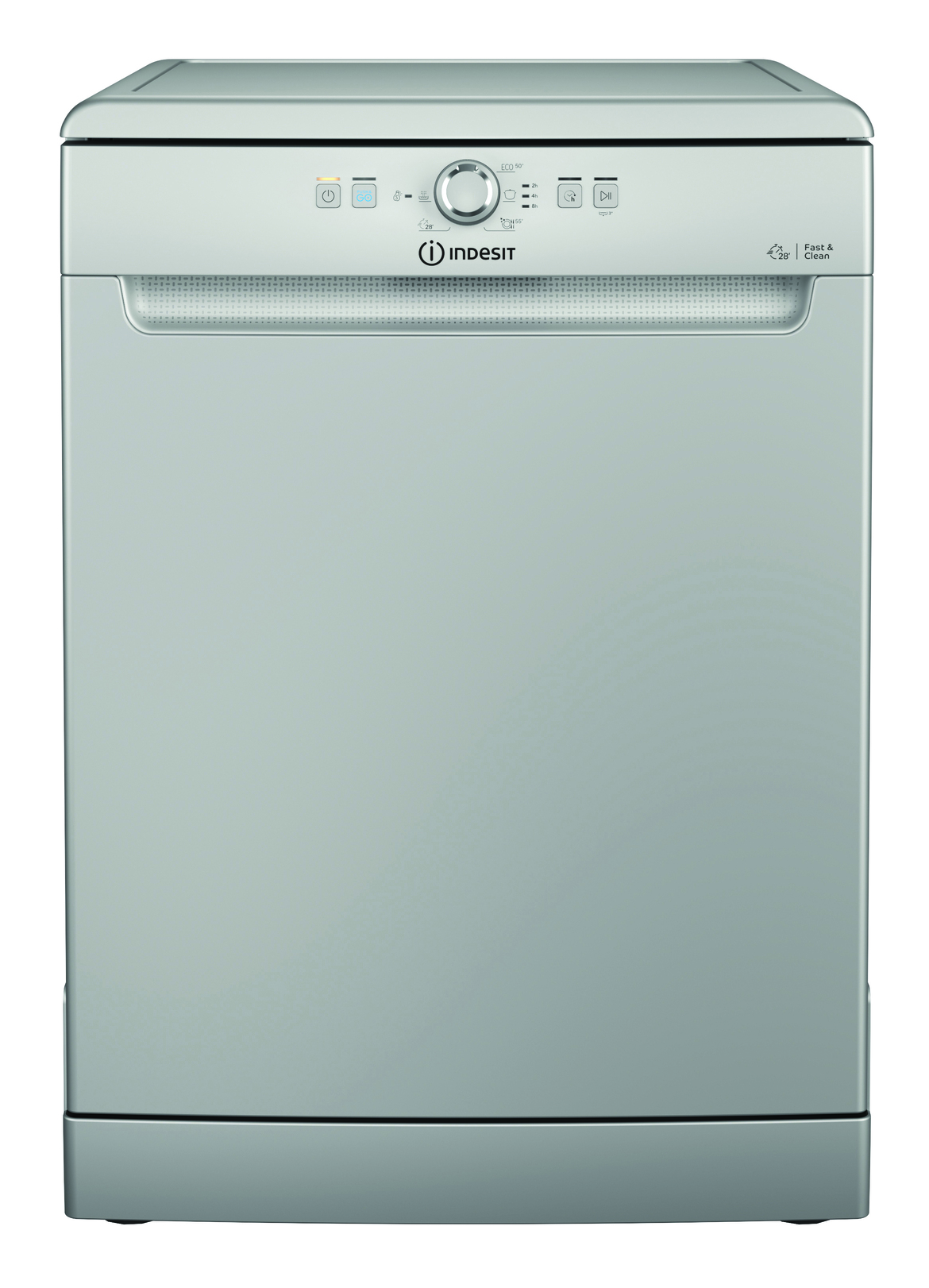 Image unavailable
Indesit D2F HK26 S, freestanding, 60 cm, 14 place settings
Compare its stated capacity of 14 place settings with the amount of washing-up your household accumulates between washes. The product description lists a width of 60 cm and energy class E. Check the label’s consumption figures and make sure your larger dishes will fit in the racks.
View on Joybuy
Frequently asked questions
Does a dishwasher always use less water than washing up by hand?
Not necessarily in every situation. UFC-Que Choisir gives less than 15 L per dishwasher cycle and at least 30 L for washing up by hand as useful reference points. Whether it’s a good choice for your household also depends on how full you run the machine and how you wash up by hand. Check the litres per cycle for the model you’re considering.
Which figures on the energy label should you compare?
Compare the energy class, kWh per 100 cycles and litres per cycle, then look at the capacity, Eco cycle duration and noise level. ADEME explains that the water and energy figures are based on reference cycles, so they don’t automatically describe a quick or intensive programme.
Is the Eco programme suitable for every wash?
It’s suitable when the cycle duration fits your routine and your dishes meet the programme’s requirements. UFC-Que Choisir notes that an energy-saving cycle takes longer. If you need a quicker wash or have heavily soiled dishes, look at the other programmes without assuming they use the same amount of energy and water.
What should you check before having your first dishwasher installed?
Check the space, water supply, drainage and electricity supply. UFC-Que Choisir explains that basic commissioning doesn’t include electrical or plumbing work. If new connections need to be installed, ask separately what work will be carried out.
Can you check a dishwasher’s repairability index in France?
Yes. According to the French Ministry for Ecological Transition, dishwashers are among the product categories covered by the repairability index. Check the index for the exact model you’re considering, and don’t confuse it with the energy class.


