For regular shared meals, start by choosing a capacity and basket layout that can accommodate both your plates and the dishes you use. Then check that the size suits your kitchen and its connections. Freestanding and built-in models suit different kitchen layouts; slimline or compact models are worth considering when space is limited, but make sure they can handle your actual load. In an open-plan kitchen, also compare the noise level and the consumption figures for the programmes you plan to use.
Who is this guide for?
Households with a pile of washing-up after meals
If you often cook and eat together, consider the space available for saucepans, serving bowls and dishes, as well as the number of place settings. UFC-Que Choisir lists capacity among the key factors to consider; the basket layout also matters for the items you use regularly.
People with open-plan kitchens who are sensitive to noise
If a cycle is running while the living area is in use, the stated noise level becomes an important factor in your choice. UFC-Que Choisir highlights its importance in an open-plan kitchen.
Buyers limited by a small kitchen or existing cabinetry
Limited worktop space, an alcove or a fixed width can determine which size will fit. Before choosing, also check that the door can open fully and that the connections are accessible.
Which features should you compare?
For shared meals, first check what needs to fit in a load, then consider the location and connections. According to UFC-Que Choisir, a freestanding model offers more flexibility when arranging your kitchen. A built-in model requires a suitable space and sometimes a matching door panel, while slimline or compact models can help when space is limited—but you still need to check their capacity.
| Feature |
What to check |
Who is it important for? |
| Usable capacity |
Compare the number of place settings with the space available for your dishes and saucepans; check the basket layout and adjustment options. |
If large items quickly fill the dishwasher after a meal, I want to avoid leaving them for another load. Around 31% of consumers prioritise usable capacity. |
| Size and installation |
Measure the space and door clearance; check the connections and, for a built-in model, the alcove and door panel. |
In a small kitchen or where cabinetry is already in place, I first need to find an appliance that can be installed. This is the top priority for around 25% of consumers. |
| Noise |
Compare the stated noise levels in dB and check the programmes and conditions they apply to. |
If the kitchen opens onto the room where we eat or work, I want to be able to run a cycle without disturbing others too much. Around 25% of consumers prioritise noise levels. |
| Water and electricity |
Check the consumption figures on the energy label and which programmes they relate to. |
With regular cycles, I want to take account of the water and electricity used, rather than judging the appliance on its energy rating alone. Consumption is the priority for around 19% of consumers. |
Mistakes to avoid
-
Choosing based only on the number of place settings
This figure doesn’t tell you whether your saucepans, serving bowls and dishes will fit alongside the plates. In its guide, Joybuy highlights that adjustable baskets can matter more when you need to fit bulky items.
Compare the interior layout with the items you wash most often, and check which supports can be moved or folded down.
-
Overlooking noise in an open-plan kitchen
A cycle running during a meal or while someone is using the living area can make noise more noticeable than it would be in a separate kitchen. UFC-Que Choisir recommends taking this into account in an open-plan kitchen.
Compare models by their stated noise level in dB, checking which programme and conditions the figure applies to.
-
Ordering a built-in model without checking the alcove and door panel
An unsuitable alcove or a missing door panel could prevent the appliance from fitting as planned. Electrolux notes that its pre-installation service may not cover carpentry, plumbing or electrical work; Miele states that a door panel may be required and not supplied, depending on the product.
Measure the alcove, check the connections and confirm which parts and services are included with the model you’ve chosen.
If your existing installation isn’t suitable, you may need to arrange carpentry, plumbing or electrical work.
-
Assuming a compact model needs no water supply or drainage
Some models use a water tank, but it may need to be filled manually, with the water drained through a hose after every cycle.
Check how the specific model is supplied with water and drained, as well as how much worktop space it needs.
Brands to consider
Bosch
A brand to look at when planning the connections for a freestanding or built-in model.
- Bosch’s documentation details the water, electricity and drainage connections.
- According to Bosch, whether a model can be connected to a hot or cold water supply depends on the model and its instructions. Check the guidance for the one you choose.
Siemens
A brand to consider if fitting the appliance under a worktop or working with a fixed alcove width will guide your choice.
- Siemens’ French range includes built-in dishwashers and fully integrated models in both 60 cm and 45 cm widths.
- These sizes won’t necessarily fit your cabinetry. Check the alcove, door panel and exact model reference.
Miele
A brand to consider for an under-worktop or fully integrated installation that needs a matching door panel.
- Miele offers distinct categories for under-worktop built-in and fully integrated models.
- According to Miele, the required door panel may not be supplied. Check the accessories and dimensions for the model you choose.
Dishwashers for a standard installation
These Joybuy models are designed for freestanding or built-in kitchens. For shared meals, compare their stated capacity with the dishes you usually use, then check the space available and the connections before choosing.
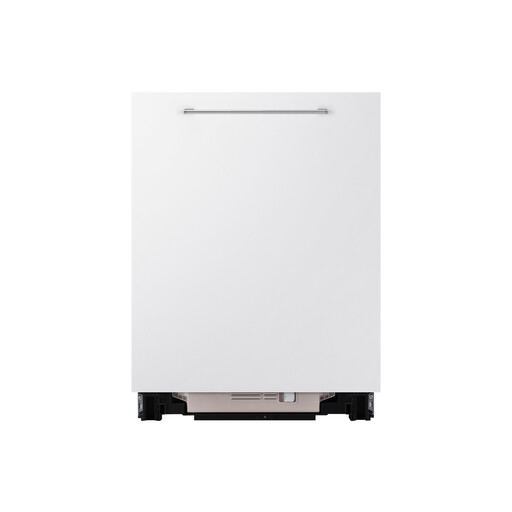 Image unavailable
Samsung DW80H72YBB0U1 built-in, 60 cm, 13 place settings
Worth considering if you want the dishwasher to blend in with your cabinetry and handle the washing-up from regular meals.
Stated capacity of 13 place settings; stated width of 60 cm and energy rating B. Check the alcove dimensions, door panel and connections in the manual.
View on Joybuy
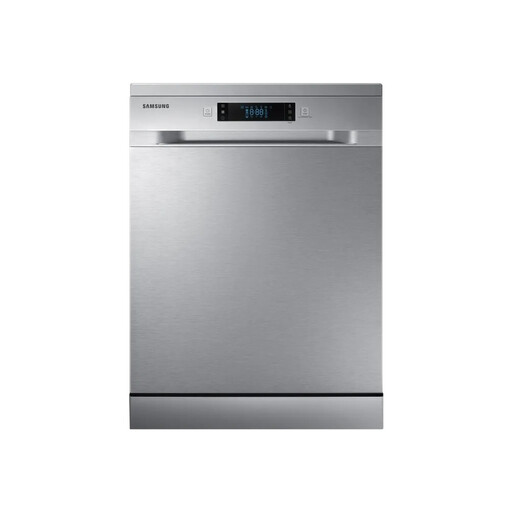 Image unavailable
Samsung DW60M6050FS freestanding, 14 place settings, grey
A freestanding option if you don’t need to match a cabinet door and want space for the washing-up from shared meals.
Stated capacity of 14 place settings and 7 cycles. Check that the baskets can also accommodate your largest dishes and utensils.
View on Joybuy
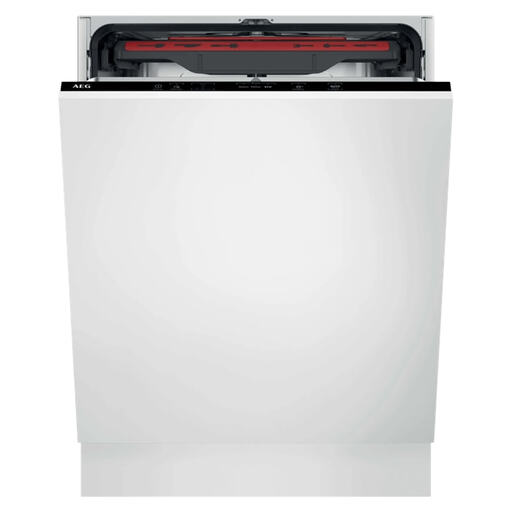 Image unavailable
AEG FSB34707Z fully integrated, 14 place settings
Worth considering if your fitted kitchen has a space designed for a fully integrated dishwasher.
Stated capacity of 14 place settings and energy rating C. The stated width for this model differs between the title and description, so check the dimensions in the manual before planning the alcove.
View on Joybuy
 Image unavailable
Indesit D2F HK26 S freestanding, 60 cm, 14 place settings
Worth a look if a freestanding model suits your kitchen and the washing-up tends to pile up after meals.
Stated capacity of 14 place settings, stated width of 60 cm and energy rating E. Check there’s enough room in the baskets for your saucepans and dishes.
View on Joybuy
 Image unavailable
Hotpoint H4FD641A freestanding, 60 cm, 14 place settings
Another freestanding option for a household that regularly needs to wash up after meals.
Stated capacity of 14 place settings, stated width of 60 cm, stated noise level of 41 dB and energy rating C. Compare the noise level under its stated test conditions and check the basket layout.
View on Joybuy
Frequently asked questions
Which connections should you check before buying a dishwasher?
For a standard dishwasher, check that there’s a water supply, drainage and an electrical connection where you plan to install it. Bosch lists all three in its installation documentation. Then follow the manual for your chosen model and take your existing installation into account.
Can you connect a dishwasher to a hot water supply?
Some models can be connected to a hot water supply, but check the manual for the specific model first. Bosch notes that whether a model can use a hot or cold water supply depends on its reference and instructions.
How can you reduce water use day to day?
ADEME recommends not pre-rinsing dishes and waiting until the dishwasher is full before starting a cycle. When buying, also compare the water consumption shown on the energy label, bearing in mind which programme the figure applies to.


