Which criteria should you compare?
Freestanding dishwasher
Choose this if: you have a floor space and suitable connections, and don’t need the appliance to fit into a housing unit or behind a cupboard door.
Check: measure the space and door clearance. The stated capacity doesn’t guarantee that all your utensils will fit at once.
Built-in dishwasher
Choose this if: your kitchen has a suitable housing unit and a cupboard door that can be fitted using the system supplied with the exact model.
Check: the housing unit dimensions, cupboard door, hinges and clearances. Compact models can also be built in.
Compact dishwasher
Choose this if: space is your priority and the dishes from a typical meal will fit within the model’s capacity and usable dimensions.
Bear in mind: larger dishes or several courses may mean running an extra cycle or doing some washing-up by hand.
Hand-washing
Consider this if: you have a small amount of washing-up and can clean it soon after your meal.
Keep in mind: water use depends on how you wash up. A comparison won’t guarantee the same savings for every household.
If you’re buying a new dishwasher for regular meals with several people, compare capacity and available space first, then check the energy label figures and maintenance requirements.
| What matters to you |
What to check |
Who prioritises it most? |
| Fitting in the washing-up from your meals |
Compare the place-setting capacity, basket layout and dimensions of your dishes and pans. |
If I want to fit in the washing-up from a meal in a reasonable number of cycles, I look first at the capacity and basket layout. Around 29% of consumers prioritise fitting in a full load. |
| Finding the right installation type |
Measure the space and door opening; check the housing unit, cupboard door and connections according to the installation type and instructions. |
If my kitchen has limited space or requires a specific housing unit, I check that the format and installation type suit the space available. Around 23% of consumers prioritise the appliance’s footprint and installation compatibility. |
| Comparing water and electricity use |
For the eco programme, check the kWh per 100 cycles and litres per cycle, along with the capacity and duration. |
If I want to keep track of the resources used to wash my dishes, I compare the eco figures on the same basis and take into account how many cycles I’ll need. Around 18% of consumers put water and electricity use first. |
| Matching noise and cycle duration to your household routine |
Compare noise emissions in dB and the eco programme duration with the planned location and your schedule. |
If the kitchen is near a living area or I need my dishes again soon, I check the noise level and programme duration. Around 18% of consumers prioritise comfort while the dishwasher is running. |
| Planning for maintenance and repairability |
Check the repairability index shown and the care instructions in the manual, particularly those relating to water hardness. |
If I want to understand routine maintenance and what my model needs, I check its manual and repairability information. Around 12% of consumers put these criteria first. |
The European Commission and ADEME explain that the energy label lets you compare standardised figures, including energy use per 100 eco cycles, water use per cycle, capacity, eco programme duration and noise. These figures alone can’t predict the consumption of every programme or load. ADEME also advises against pre-rinsing dishes and recommends waiting until you have a full load before starting a cycle.
Dishwashers available on Joybuy
This selection includes 60 cm freestanding dishwashers and one fully integrated model, all listed for 14 place settings. Compare standard capacity with different installation requirements.
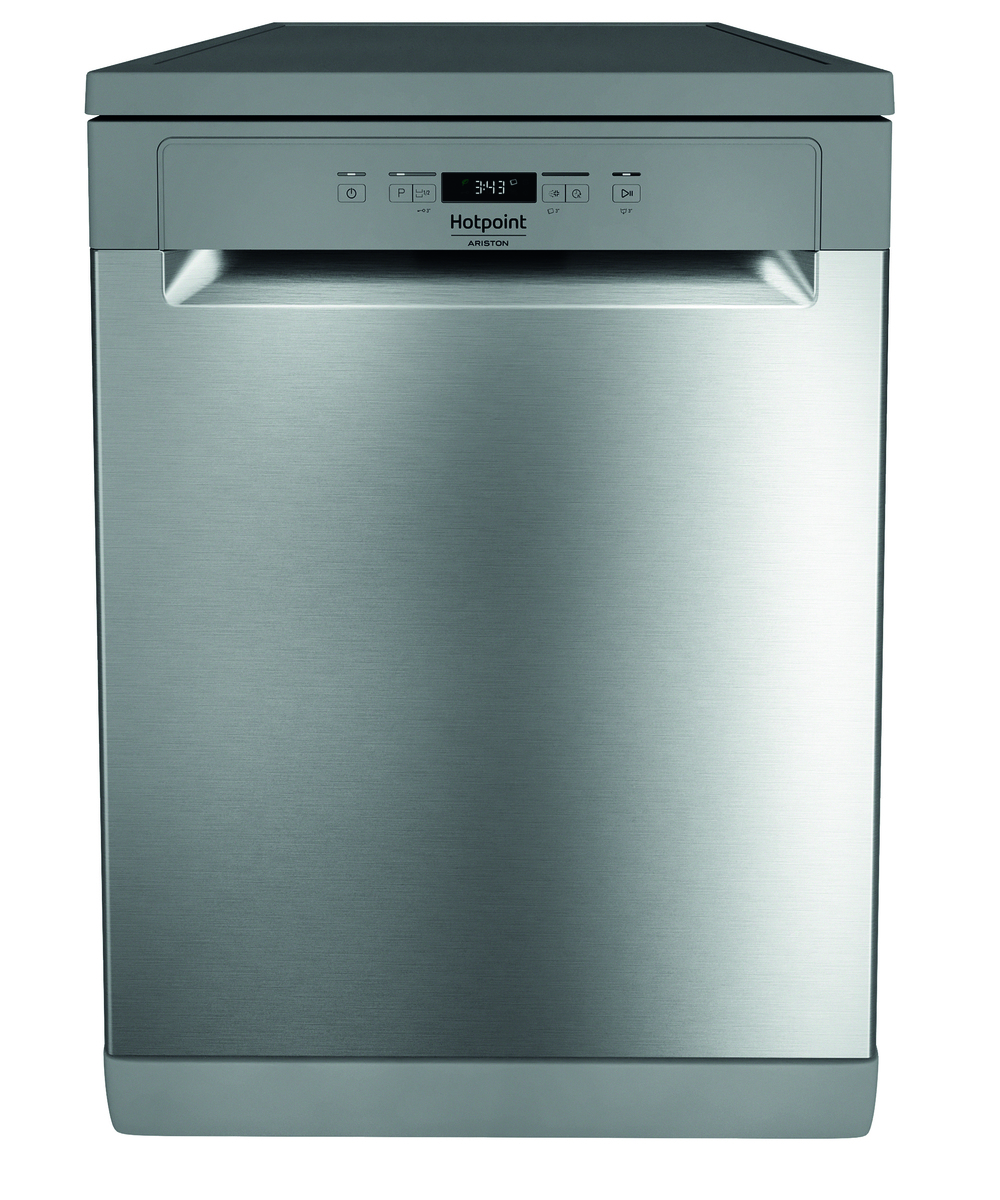 Image unavailable
Hotpoint H3FFD636X, freestanding, 60 cm, 14 place settings, D rated
Its freestanding design and stated capacity of 14 place settings give you a useful benchmark for comparing loads from shared meals. Check that your larger serving dishes fit in the baskets.
The Joybuy product listing gives figures of 85 kWh per 100 cycles and 11,5 L per eco cycle, with a stated eco programme duration of 5 h. It also lists a delay start of up to 24 h. Make sure you have a stable space and the connections specified in the instructions.
View on Joybuy
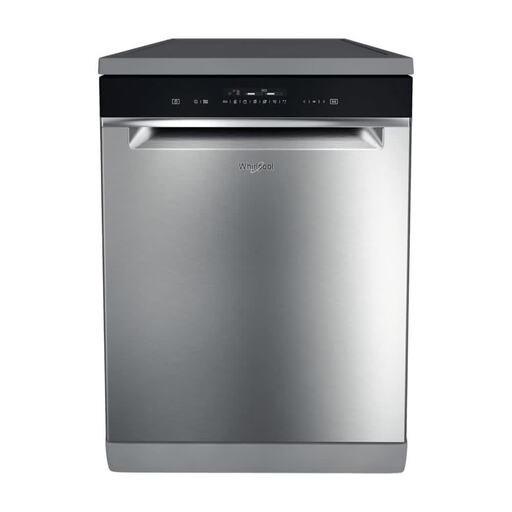 Image unavailable
Whirlpool WFP5O41PLGX, freestanding, 60 cm, 14 place settings, C rated
This freestanding model is listed for 14 place settings. Compare the basket layout with the dishes you use for your meals.
The Joybuy product listing gives figures of 75 kWh per 100 cycles, 9,5 L per eco cycle and 41 dB. It also lists 11 programmes and a half-load option.
View on Joybuy
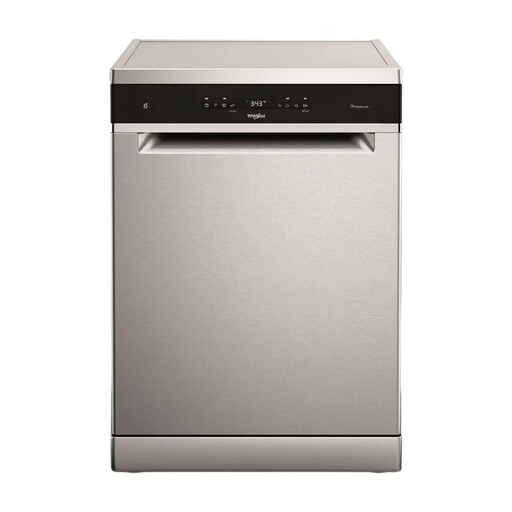 Image unavailable
Whirlpool WH6FC14BN70X, freestanding, 60 cm, 14 place settings, C rated
With a stated capacity of 14 place settings, this model is worth comparing for washing-up from meals with several people. Check the basket layout to see if it suits your bulkier utensils.
The Joybuy product listing gives it a C energy rating and a third cutlery drawer.
View on Joybuy
 Image unavailable
Indesit D2F HK26 S, freestanding, 60 cm, 14 place settings, E rated
The stated capacity of 14 place settings gives you a useful benchmark for shared meals. Compare the basket dimensions with your plates and serving dishes.
The Joybuy product listing gives water use of 9,5 L and a noise level of 46 dB. It also lists an 85-minute Push&Go cycle at 50 °C.
View on Joybuy
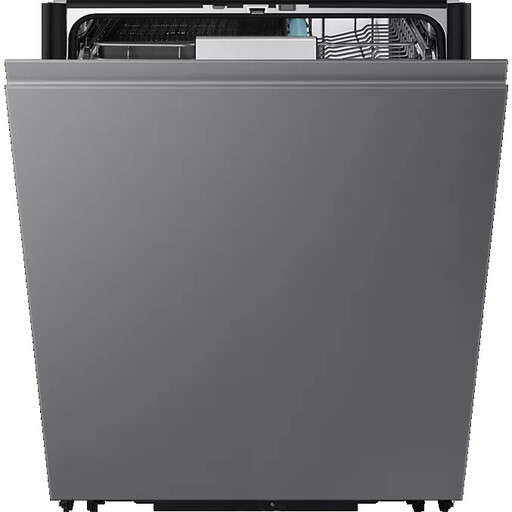 Image unavailable
Samsung DW90H79JAI0U1 Bespoke AI, fully integrated, 60 cm, 14 place settings, A rated
This fully integrated model is listed for 14 place settings. Choose it only if your kitchen housing unit and cupboard door are compatible with this exact model.
The Joybuy product listing gives figures of 54 kWh per 100 eco cycles, 9,4 L per eco cycle, an eco programme duration of 5 h and a noise level of 42 dB. It also lists a delay start and a half-load option.
View on Joybuy
Frequently asked questions
How should I read the water and electricity figures on the energy label?
Compare the kWh per 100 eco cycles and litres per eco cycle, along with the capacity and duration of the same programme. The European Commission and ADEME explain that these standardised figures don’t guarantee the consumption of every programme or load.
What should I check before ordering a built-in dishwasher?
Measure the housing unit and check the cupboard door, hinges and clearances for the exact model. Also check the connections listed in its manual: these requirements depend on the model and your kitchen, not just the place-setting capacity.
Should I rinse dishes or run a compact model half empty?
ADEME advises against pre-rinsing dishes and recommends waiting until you have a full load before starting a cycle. If waiting doesn’t suit the rhythm of your meals, take the number of cycles you’ll need into account when choosing the capacity.
What maintenance does a dishwasher need?
Follow the model’s manual for detergent and, depending on the appliance and water hardness, salt and rinse aid. Bosch recommends checking the salt level for the appliances it applies to; always follow the manual for your exact model.
What information and guarantees apply to a new appliance sold in France?
A new dishwasher sold in France must display an energy label, whether sold in a shop or online, and this category is also covered by a repairability index. When a private individual buys from a professional seller, the statutory guarantee of conformity applies. According to the DGCCRF, the corresponding claim must be made within two years of delivery. This is separate from an optional commercial extended warranty.


