Shared homes with lots of washing-up
If several meals quickly fill the sink, compare the stated capacity, basket space and cycle times. Also check that the kitchen can accommodate the size you’re considering.


In a shared home, consider a standard 60 cm dishwasher if dishes regularly pile up and the kitchen has room for one. A compact model can help when space is tight, provided it has enough capacity. If you’re unsure about the space or connections, stick with washing by hand until you’ve confirmed what can be installed. To compare models, check capacity, eco-cycle figures, noise levels and repairability.
If several meals quickly fill the sink, compare the stated capacity, basket space and cycle times. Also check that the kitchen can accommodate the size you’re considering.
Before choosing a compact model, measure the space, depth and clearance needed to open the door. Saving space is only useful if the dishwasher can still handle your daily washing-up.
If the kitchen is close to living areas, the stated noise level and eco-cycle duration can make a difference to how you organise things together. ADEME also recommends comparing the water and energy consumption figures on the label.
Start by checking whether a dishwasher can be installed, then see whether its capacity suits your mealtimes. A full-size model, a compact dishwasher and washing by hand each address different needs.
Consider it: if you regularly share loads and have a suitable space available.
Bear in mind: it’s 60 cm wide, and you’ll need to confirm the connections before buying.
Consider it: if space is your main constraint and the model has enough capacity for shared meals.
Bear in mind: a smaller model may leave less room for dishes and mean you need to run smaller loads.
Stick with it: until you’ve confirmed there’s space, suitable connections and permission to install an appliance.
Plan for: housemates to share the washing, drying and putting away after meals.
| Criteria | What to check | Who is it for? |
|---|---|---|
| Capacity | Stated place settings and room for the plates, pans and utensils you use regularly. | When shared meals leave lots of washing-up, I want to be able to run a cycle without leaving a pile of dishes beside the machine. Around 36% of consumers make capacity their top priority. |
| Space and installation | Appliance and available-space dimensions, door clearance, water inlet and drainage. | In a narrow kitchen, I first need to know whether the appliance will fit and can be connected. Around 29% of consumers put this feasibility check ahead of other criteria. |
| Noise and timing | Stated noise level in dB and eco-programme duration; check for a delay-start function only if it’s listed for the model. | If housemates don’t eat at the same time, I look for a cycle that won’t disturb anyone using nearby rooms. Quiet operation and organisation come first for around 21% of consumers. |
| Long-term use | Water per cycle, energy per 100 cycles and the model’s repairability index. | For an appliance that’s used regularly, I want to check its stated consumption and repair options. Around 14% of consumers put these considerations first. |
ADEME lists capacity, water per cycle, energy per 100 cycles, eco-cycle duration and noise as useful information when choosing a dishwasher. In France, the Ministry of the Economy says the energy label and repairability index apply to dishwashers. Compare eco-programme figures on a like-for-like basis, rather than attributing them to a quick programme.
A model may fit the available space without having enough room for all the washing-up that builds up between cycles. Bosch, for example, distinguishes between its countertop and built-in compact models: they need different kinds of space.
Measure the available space, then compare the capacity and basket layout with a typical day of shared meals.
A letter rating doesn’t tell you how much water a cycle uses, how long the eco programme takes or how noisy the machine is. ADEME lists these figures as useful information when choosing a model.
Put the labels for the models you’re considering side by side and compare their figures on a like-for-like basis.
Electrolux’s pre-installation guide explains that its installers don’t carry out plumbing, electrical or joinery work. So even if an appliance suits your washing-up needs, your home may need separate preparation before it can be installed.
Before ordering, check the dimensions, connections, any permissions needed and what the installation service includes.
Depending on your kitchen, you may need to arrange plumbing, electrical or joinery work separately.
The repairability index tells you about the options for repairing an appliance; it doesn’t tell you whether its capacity, noise level or dimensions suit the people using it.
Look at the index alongside the model’s everyday features and installation requirements.
These ranges include formats worth considering for your kitchen and washing-up needs. The features mentioned apply only to specific models or manufacturers’ catalogues.
Bosch’s range includes countertop, built-in compact and 60 cm models.
Beko’s 60 cm models let you compare capacity and scheduling features for a shared home.
Miele’s French catalogue includes freestanding, built-in and XXL models.
Whirlpool offers 45 cm and 60 cm dishwashers, freestanding or built-in depending on the model.
These models are options to consider if you’re looking for a household dishwasher for shared meals. Before checking whether the appliance will fit and can be connected, compare how each model is installed and the specifications listed for each variant. Choosing a compact model or continuing to wash by hand calls for a different set of considerations.
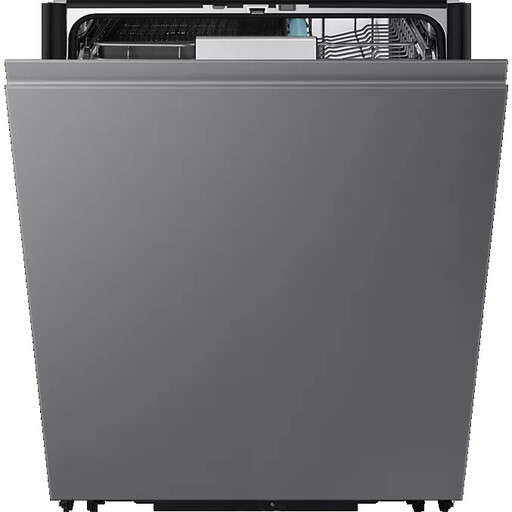 Image unavailable
Worth considering for shared loads if your kitchen is suitable for a built-in model. The model name lists a 60 cm width, 14 place settings and an A energy rating. Check the cabinet dimensions, connections and the product’s repairability index.
 Image unavailable
Worth a look if you have space for a freestanding model that can handle a shared load. The model name lists 14 place settings and an E energy rating. Also compare energy per 100 cycles, eco-cycle duration and the connections required.
 Image unavailable
Worth comparing for shared meals if a freestanding model suits your kitchen. The model name lists 14 place settings and 7 programmes. Check the dimensions, eco-cycle duration and connections before choosing it.
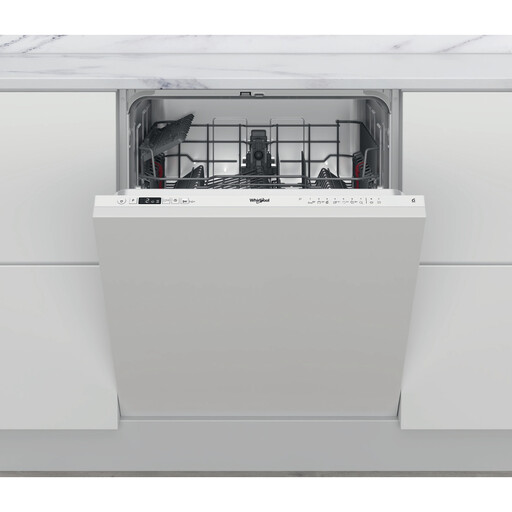 Image unavailable
Worth considering for shared loads if you have a suitable cabinet space. The model name lists 14 place settings and an E energy rating. Check the cabinet space, door panel and connections, then compare the water and energy figures and eco-cycle duration.
 Image unavailable
Worth comparing if your kitchen can accommodate a freestanding dishwasher for shared meals. The model name lists 14 place settings, 41 dB and a C energy rating. Also check energy per 100 cycles, eco-cycle duration, dimensions and connections.
Compare energy per 100 cycles, water per cycle, eco-programme duration and noise level. ADEME recommends these figures as useful points of comparison. In France, the Ministry of the Economy says the energy label applies to new dishwashers sold both in shops and online.
Yes. According to the Ministry of the Economy, dishwashers in France must display a repairability index. It helps you assess repair options, but doesn’t replace checking capacity, dimensions and connections.
It’s best to confirm that installation is possible before choosing a model. Electrolux’s pre-installation guide says that connections must meet its requirements and that its installers don’t carry out plumbing, electrical or joinery work. Ask what alterations your home may need.
Not necessarily. A compact model solves a space problem, but its capacity still needs to suit the washing-up that builds up between cycles. Measure the available space and check the place settings and usable basket space of the model you choose.
Agree when to start and unload the dishwasher, taking the stated noise level and eco-cycle duration into account. A delay-start function can make it easier to organise things, if the model you choose has one.