Households fitting out a kitchen
If the dishwasher needs a cabinet door front, check the space and door system before comparing programmes. Que Choisir points out that a built-in dishwasher needs to fit into a purpose-designed space.


First, decide how you want to install it. An integrated model needs a compatible space, door front and door system, while a freestanding model avoids these furniture-related constraints. A compact model may be suitable if space is limited, provided it can handle your everyday washing-up. In an open-plan kitchen, compare the noise level on the energy label with the capacity and Eco programme consumption figures. Then check the model’s dimensions and connection requirements in its manual.
If the dishwasher needs a cabinet door front, check the space and door system before comparing programmes. Que Choisir points out that a built-in dishwasher needs to fit into a purpose-designed space.
When the dishwasher runs near your living area, its noise level matters as much as where it sits. Compare the noise level and noise class on the energy label, especially if you run cycles in the evening.
A narrower or compact appliance may be a good fit when space is at a premium. However, check that its capacity and interior layout suit the washing-up you build up between cycles.
Start by deciding where the dishwasher will go: this determines whether you need a cabinet door front and a dedicated space. Whatever the format, you’ll still need to compare capacity and check the noise level if it’s going in an open-plan living area.
Consider this: if you have a dedicated space that allows the dishwasher to blend in with your kitchen units.
Trade-off: the door front and door system must be compatible with the model you choose.
Consider this: if you have a suitable space and the necessary connections, and don’t need to attach a cabinet door front.
Trade-off: the appliance will remain visible in your kitchen.
Consider this: if space is your main priority and its capacity suits your everyday washing-up.
Trade-off: its size may mean you need to run cycles more often if you have a lot of washing-up.
| Criterion | What to check | Consumers this applies to |
|---|---|---|
| Installation | Measure the space and check the door front, hinge and route for connections in the model’s manual. | If my kitchen is already fitted, I want to install a built-in dishwasher without modifying the unit or door. Around 36% of consumers prioritise this compatibility. |
| Noise | Compare the dB level and noise class on the energy labels of appliances with a similar format and capacity. | When my kitchen opens onto the living area, I want to be able to run a cycle without disrupting activities too much; quiet operation is the top priority for around 29% of consumers. |
| Capacity and space | Compare the number of place settings, the space in the racks and the dimensions of your usual dishes. | If space is limited, I’m looking for an appliance that can still fit the household’s dishes and pans. This balance between capacity and size comes ahead of other criteria for around 21% of consumers. |
| Consumption | Check the electricity used per 100 Eco cycles and the water used per Eco cycle, along with the programme duration and capacity shown. | Once the format and noise level are acceptable, I want to compare water and electricity use on a like-for-like basis. Around 14% of consumers put these consumption figures first. |
Width alone won’t tell you whether an integrated dishwasher will fit the space, or whether its door will work with your existing door front and plinth.
Measure the usable space and check the door front, hinge and connections against the installation instructions. If your kitchen is already fitted, ask someone to confirm the planned installation will work.
You may also need to budget for a door front, modifications to the unit or installation work.
A marketing label doesn’t let you compare the noise levels of two appliances that will run near your living area.
Check the dB level and noise class on the energy label, then think about when you’ll run your cycles. ADEME states that a 3 dB increase represents almost a doubling in sound intensity.
The figures on the energy label relate to the Eco programme. Using them to compare quick or intensive cycles would give you a misleading result.
Compare the electricity used per 100 Eco cycles, water used per Eco cycle, programme duration and capacity shown on each model’s label.
A smaller appliance may mean running more cycles if your usual dishes, pans and plates won’t fit inside.
Think about how much washing-up you build up between washes, and check the capacity, dimensions and connection requirements of the compact model you’re considering.
Bosch offers freestanding, built-in and compact dishwashers, including 45 and 60 cm built-in models.
Siemens offers built-in, freestanding, compact and under-counter models, giving you several placement options.
Miele offers freestanding, integrated, fully integrated and under-counter dishwashers.
Electrolux offers compact, freestanding, semi-integrated and fully integrated models.
These models are suited to fitted kitchens that can accommodate an integrated dishwasher, as well as spaces suitable for a freestanding model. Before choosing one for an open-plan kitchen, compare its capacity and noise level with your needs, then check the installation requirements for your chosen model.
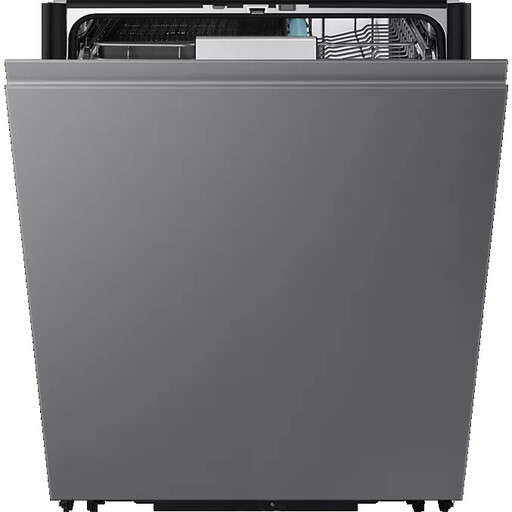 Image unavailable
For a fitted kitchen with a dedicated space and a household that needs room for up to 14 place settings. The title lists an A energy class; check the installation dimensions, compatible door front and door system for your unit in the manual.
 Image unavailable
For a space where you don’t need to attach a cabinet door front, subject to confirming the connections and available space. The title lists 41 dB and a C energy class; also compare the noise class and Eco programme consumption figures on the model’s energy label.
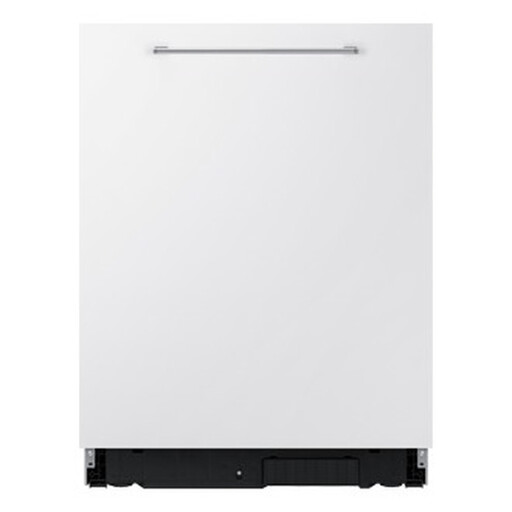 Image unavailable
For a fitted kitchen with a space and door that can accommodate this model. The title lists a C energy class; check the door front and hinge compatibility in the manual. For noise, check the figure that applies to the cycle you’ll use: the product details give different figures depending on the programme mentioned.
 Image unavailable
For a kitchen with a dedicated space and a need for 13 place settings. The title lists a B energy class; check the installation dimensions, door front and connections against your kitchen before ordering.
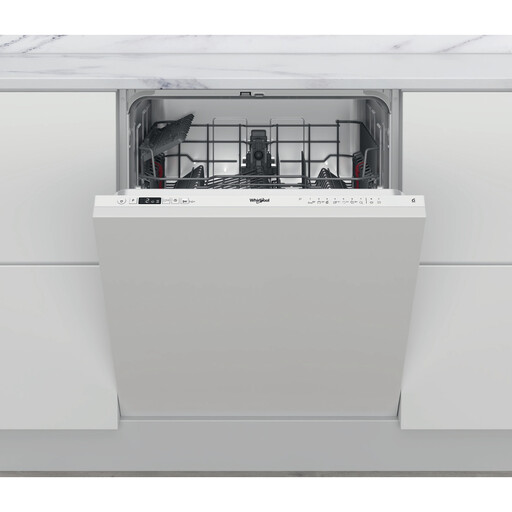 Image unavailable
For a fitted kitchen where a 14-place-setting model suits the household’s washing-up. The title lists an E energy class; check the Eco programme consumption figures on the energy label, and the required space, door front and door system in the manual.
Measure the usable width, height and depth of the space, then check the door front, plinth and door system. Also locate the water inlet, waste outlet and power supply: they must meet the requirements in the manual for the exact model.
Compare the dB level and noise class on the energy labels of models with a similar format and capacity. Consider how close the living area is and when you’ll use the dishwasher, rather than choosing based only on the word “quiet”.
Compare the energy class, electricity used per 100 Eco cycles, water used per Eco cycle, programme duration, capacity and noise level. The consumption figures shown relate to the Eco programme and don’t describe consumption on a quick or intensive programme.
No. If you buy a dishwasher from a professional seller in France, the legal guarantee of conformity is provided by the seller and is separate from any optional commercial warranty. The French Ministry of the Economy states that you have two years to request that it be applied. Ask the seller about the steps to take regarding the fault you’ve found.