Which criteria should you compare?
Compact
Consider this: when space is limited and your dishes fit into a smaller load.
Bear in mind: in a shared household, a smaller capacity may mean running another cycle or leaving dishes waiting to be washed.
Freestanding
Consider this: if you have a suitable space and don’t need to conceal the appliance behind a kitchen door.
Plan for: more than just the space for the appliance; the connections and access route must also be suitable.
Integrated
Consider this: if you want the appliance to blend in with your kitchen units and have a compatible housing unit.
Plan for: the housing unit, any kitchen door and installation all add extra requirements. Bosch advises following the instructions and recommends using a professional to install its models.
For everyday washing in a shared household with an open-plan kitchen, these priorities often overlap. Identify which one matters most to you, then check the other criteria for each model.
| Criterion |
What to check |
Who is this important for? |
| Noise |
Compare the dB level and noise class on the labels, and consider when the cycle will be running. |
If the lounge is in use while the dishwasher is running, I want to keep noise to a minimum near conversations or the television; around 31% of consumers put quiet operation first. |
| Everyday capacity |
Compare the number of place settings and the basket layout with the dishes you generate between cycles. |
If several people leave dishes throughout the day, I’d rather not have them pile up while they wait for another load; capacity comes first for around 31% of consumers. |
| Cycle timing |
Check the eco programme duration and consult the instructions if you need to fit another programme in between meals. |
When the same plates need to be used again quickly, I need to know when a cycle will finish; around 23% of consumers prioritise having their dishes ready when they need them. |
| Water and energy |
Compare the kWh per 100 cycles and litres per cycle on the label, for models with a similar capacity. |
If I’m mainly keeping an eye on everyday resource use, I don’t want to choose based on the energy rating alone; consumption is the main criterion for around 15% of consumers. |
ADEME says the label includes details such as capacity, water use per cycle, energy use per 100 cycles, eco programme duration and noise. These figures help you compare appliances, but they don’t tell you about the acoustics in your home or all the other programmes.
Brands to consider
There are no brands to feature in this section.
Dishwashers to suit your installation
These Joybuy products include the freestanding, compact and integrated formats covered here. First compare their capacity with your everyday washing-up and check that the installation suits your kitchen, then use the model’s label to compare noise, consumption and eco programme duration.
 Image unavailable
Indesit D2F HK26 S, freestanding, 14 place settings, 60 cm, grey
Its stated capacity of 14 place settings is worth considering if several people generate washing-up every day.
Check that the 60 cm freestanding format, door opening and connections are suitable for the space. Compare the noise level and eco programme figures on the model’s label.
View on Joybuy
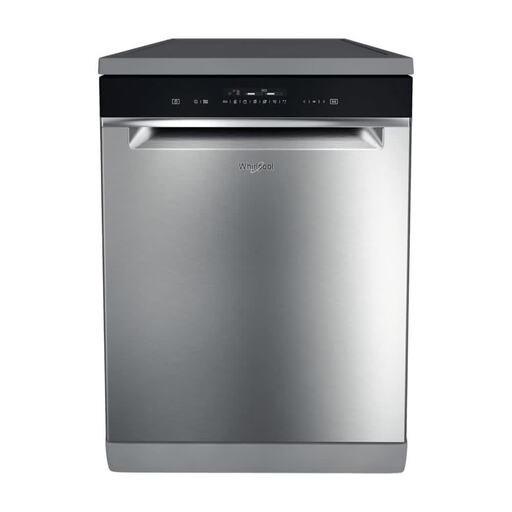 Image unavailable
Whirlpool WFP5O41PLGX, freestanding, 14 place settings, 60 cm, stainless steel
With a stated capacity of 14 place settings, this model is designed for households looking to handle a large everyday load.
Check the exact dimensions in the documentation before deciding where to put it: the measurements on its product page don’t clearly match the stated 60 cm format. Also check the connections and eco programme duration.
View on Joybuy
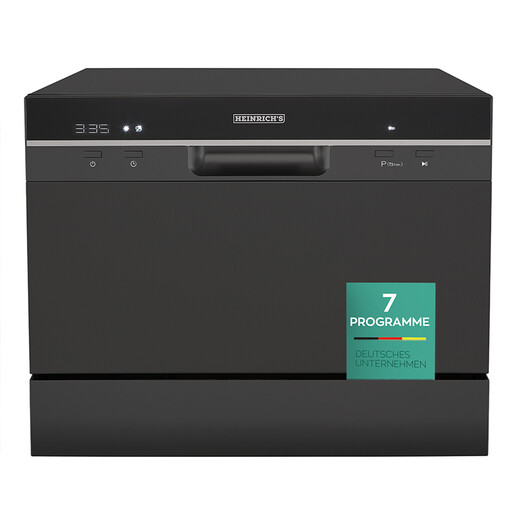 Image unavailable
Heinrich's HTG 8840 Schwarz, compact, 6 place settings
This worktop model may suit you if space is limited and six place settings are enough between washes.
The product name states 47 dB: check the label to compare its noise level with other models. Also make sure you have enough worktop space and the necessary connections.
View on Joybuy
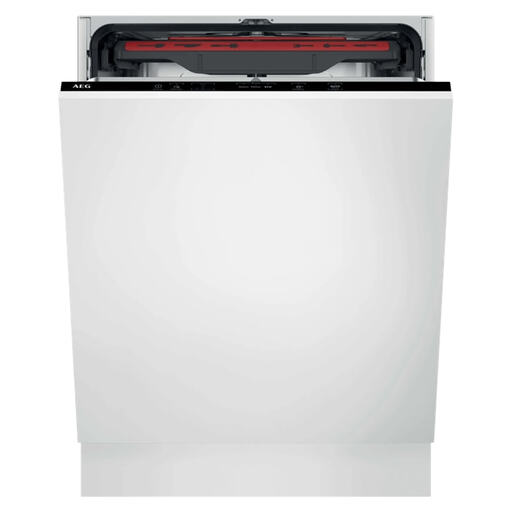 Image unavailable
AEG FSB34707Z, fully integrated, 14 place settings, 60 cm
Its stated capacity of 14 place settings could suit a shared household load, provided an integrated installation is possible.
Before choosing this model, check the dimensions in its instructions against your housing unit: those listed on its product page don’t clearly match the stated 60 cm format. Also check the kitchen door and connections.
View on Joybuy
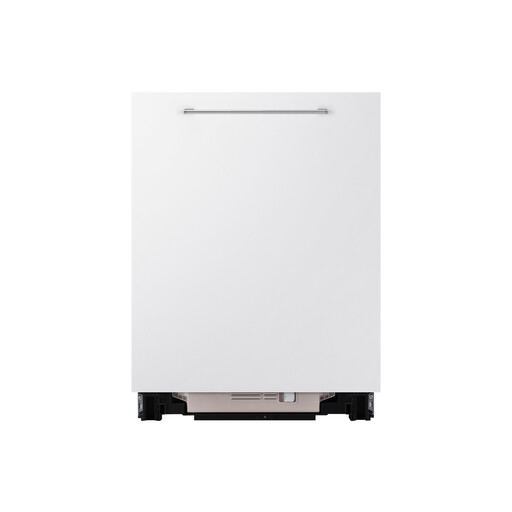 Image unavailable
Samsung DW80H72YBB0U1, integrated, 13 place settings, 60 cm
Compare its stated capacity of 13 place settings with the amount of washing-up your household generates, provided your housing unit can accommodate it.
Check the kitchen door and connections. To assess noise in an open-plan kitchen, consult the label and distinguish its noise level from any figure given for a particular programme.
View on Joybuy
Frequently asked questions
Which figures should I compare on the energy label?
Compare the capacity in place settings, kWh per 100 cycles, litres of water per cycle, eco programme duration, noise in dB and the noise class. ADEME lists these details on the label; don’t assume they apply in exactly the same way to other programmes.
Is a compact dishwasher big enough for several people?
It may be, if all the dishes you generate between cycles fit in the baskets and the washing routine works for your household. Siemens offers compact models with 6 place settings and others with up to 8: check the capacity of the model you’re considering and make sure there’s room for your serving dishes.
What should I check before choosing a freestanding or integrated model?
Check the space dimensions, access route and door opening, followed by the water supply, drainage and electrical connection. For an integrated model, also check the housing unit and any kitchen door against the installation instructions; Bosch recommends using a professional to install its models.
Does the energy label have to be shown when buying online in France?
Yes. According to the French government’s website, new dishwashers are among the appliances that must display an energy label, including when sold online. Check the label for the model you’re considering to compare its figures rather than focusing on its energy rating alone.
Should I rinse dishes before starting a cycle?
ADEME advises against pre-rinsing dishes and recommends waiting until the dishwasher is full before starting a cycle. For larger food scraps and loading advice, follow the appliance instructions rather than routinely washing everything by hand first.


