Households with dishes piling up every day
If several meals add up to a regular load, a dishwasher can take care of a repetitive chore. How much time you save will depend on the capacity you choose and how you load the racks.


A dishwasher can help cut down on handwashing, especially if you regularly have enough dishes to fill it and have the necessary connections in place. The right type depends on the space available: freestanding if you don’t have a dedicated recess, integrated if you have a compatible fitted kitchen, or a compact worktop model for smaller loads. If you only have occasional loads or installation isn’t suitable, handwashing may be the more practical choice.
If several meals add up to a regular load, a dishwasher can take care of a repetitive chore. How much time you save will depend on the capacity you choose and how you load the racks.
A 45 cm freestanding model and a compact worktop dishwasher take up different amounts of space and hold different quantities of dishes. Que Choisir highlights 45 cm models with capacity for 9 place settings, as well as compact worktop models for 6: compare these capacities with what you typically wash after meals.
If you have a suitable recess and a matching door panel, an integrated model can blend into your kitchen. Measure the recess, the height beneath the worktop and the plinth, then check that the door system is compatible with the model you’re considering.
Start by checking whether you regularly have enough dishes for a full load, then choose a model that fits your kitchen and its connections. Once those two conditions are met, compare energy and water use, as well as maintenance requirements.
Worth considering: if you have a space without a dedicated recess or cabinet door panel.
Bear in mind: the sides and front of the appliance will remain visible. If installing it beneath a worktop, check the final measurements and whether the top can be removed.
Worth considering: if your kitchen has a suitable recess and you want to keep a matching door panel.
Bear in mind: the door panel, plinth and door mechanism must all be compatible with the specific model.
Worth considering: if space is very limited and your loads are small.
Bear in mind: its limited capacity may mean running more cycles when dishes build up.
Worth considering: if you only have occasional loads or there’s no suitable space with the necessary connections.
Bear in mind: this option won’t save you the time spent washing up.
| Criteria | What to check | Who it matters to |
|---|---|---|
| Volume of dishes | Compare the capacity in place settings with your usual loads, and check that the racks can also fit your dishes and pans. | When meals leave me with lots of washing-up every day, I want to run worthwhile loads rather than wash the overflow by hand; around 33% of consumers would make capacity their top priority. |
| Kitchen integration | Measure the recess, the height beneath the worktop and the plinth; check the required door panel and hinge type. | If I’m keeping my cabinets and their door panels, I want the appliance to fit without any unexpected alterations. This compatibility would be a priority for around 27% of consumers. |
| Available space | Check the position, door clearance and hose routes; compare the capacity of a 45 cm or compact model with your needs. | In a very small kitchen, I’m looking for an appliance that fits without excessively limiting how many dishes I can wash; around 20% of consumers would put size at the top of their list. |
| Energy, water and maintenance | Check the kWh per 100 cycles, litres per cycle, Eco programme duration and noise level; consult the manual for maintenance requirements. | If I expect to run frequent cycles, I want to know the stated consumption figures and what maintenance will involve. Around 20% of consumers would make this their main concern. |
A recess can be the right width but still be unsuitable for the appliance’s height, door panel or door movement. Bosch notes, for example, that some door systems aren’t suitable for every plinth height.
Measure the width, height beneath the worktop, depth and plinth height, then compare them with the installation diagram for the exact model.
Depending on your kitchen, you may need a matching door panel, an adjusted plinth or cabinet modifications.
The letter alone doesn’t tell you how many dishes the appliance can wash or what consumption figures are stated for the reference programme.
As ADEME recommends when reading an energy label, also compare kWh per 100 cycles, litres per cycle, capacity, Eco programme duration and noise levels between appliances with similar capacities.
Que Choisir features compact worktop models with capacity for 6 place settings. This size may require more frequent cycles if you need to wash several meals’ worth of dishes or large serving dishes.
Picture a load of your usual dishes and check the usable rack dimensions. If you regularly have more than the model can hold, also look at 45 cm models that fit your space.
Depending on the model and water hardness, the water softener and its reservoirs may need regular attention. Whirlpool recommends setting the water softener before using the relevant appliances.
Check the manual for your model and find out how hard your water is before setting up the appliance.
Depending on the model, dishwasher salt, rinse aid and time spent on maintenance may be part of regular use.
These ranges provide a useful guide to different formats and installation options; features vary by model.
Bosch offers 45 cm and 60 cm integrated dishwashers, as well as freestanding models.
Siemens offers dishwashers to suit a range of kitchen layouts.
The Miele range includes freestanding and integrated models.
Whirlpool offers a range of freestanding dishwashers.
These models illustrate three installation options: freestanding for regular loads, integrated for a fitted kitchen and compact worktop models for smaller loads. Compare their capacity with the dishes you usually wash, then check the measurements and connections for each model.
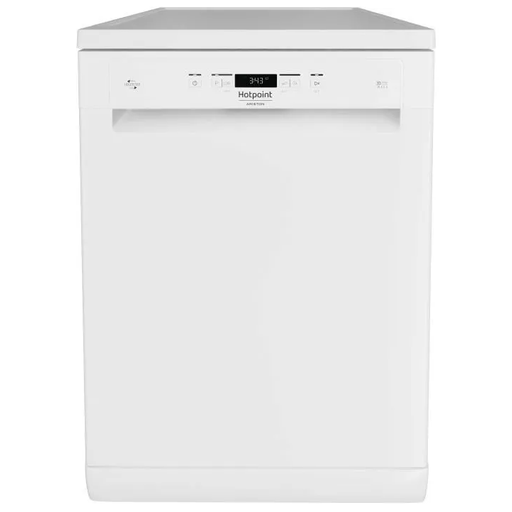 Image unavailable
Worth considering if you regularly have large loads and have space for a freestanding appliance.
The product name indicates a width of 60 cm, a C rating and a noise level of 41 dB. Check the full dimensions and connections before considering installation beneath a worktop.
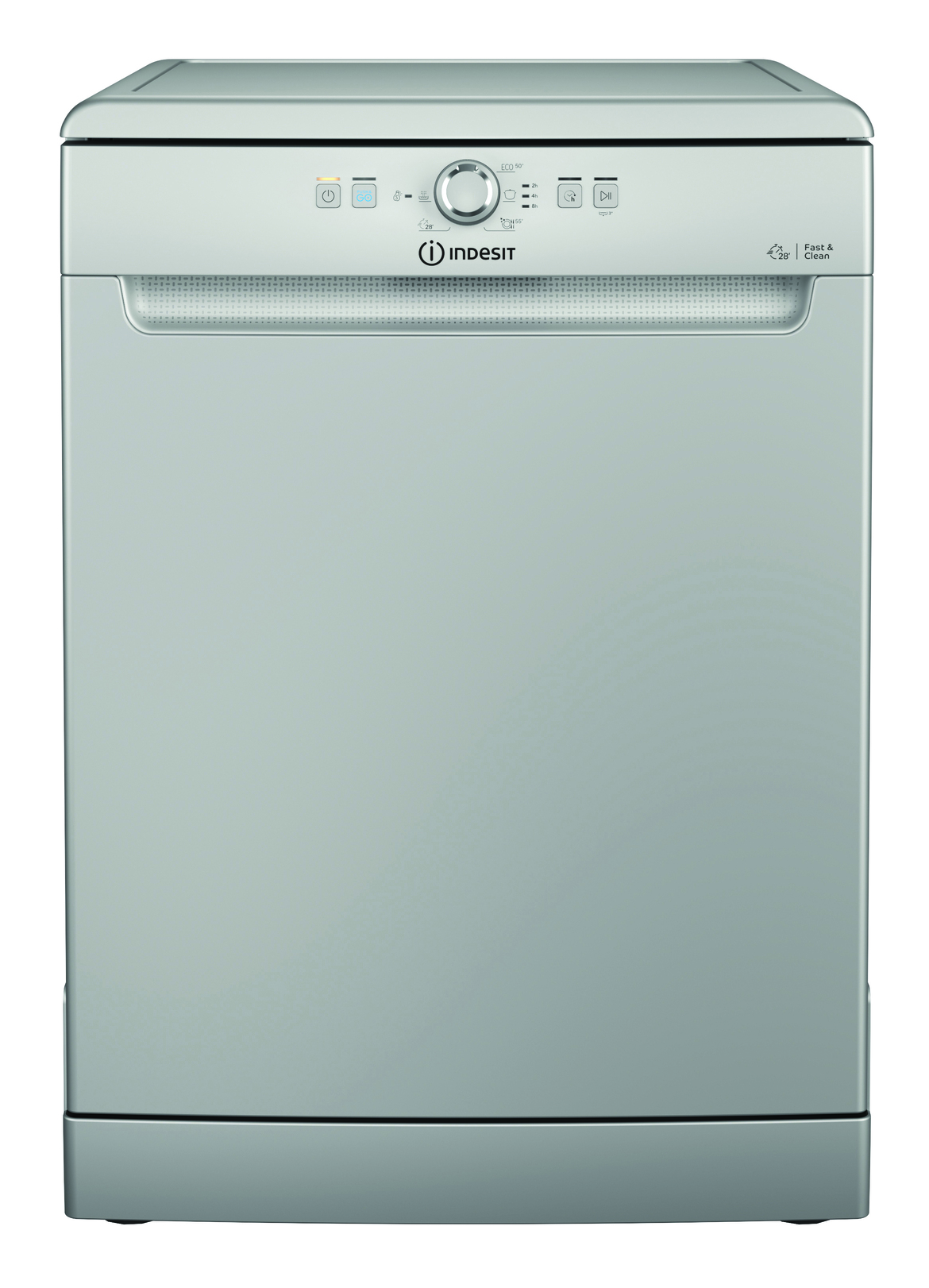 Image unavailable
Its stated capacity is suited to households looking to fit a large number of dishes into each load.
The product name indicates a width of 60 cm and an E rating. To compare running costs, check the model’s energy label for its kWh per 100 cycles figure; also check the dimensions of the space available.
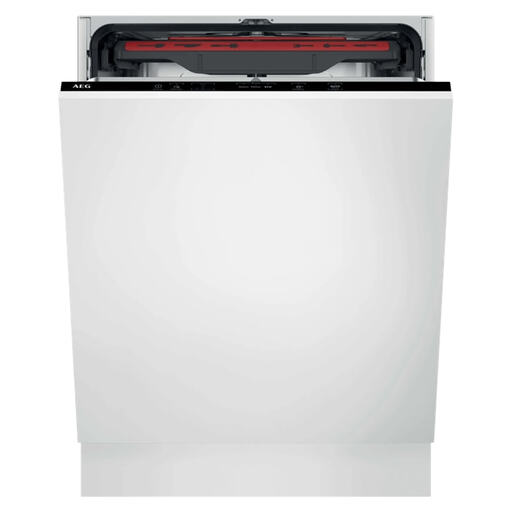 Image unavailable
Consider this format if your fitted kitchen has a compatible recess and door panel.
The product name indicates a C rating. It states a width of 60 cm, while another detail associated with the model gives a measurement of 68 cm. Check the installation dimensions in the manual before choosing a recess, and make sure the plinth and door system are compatible.
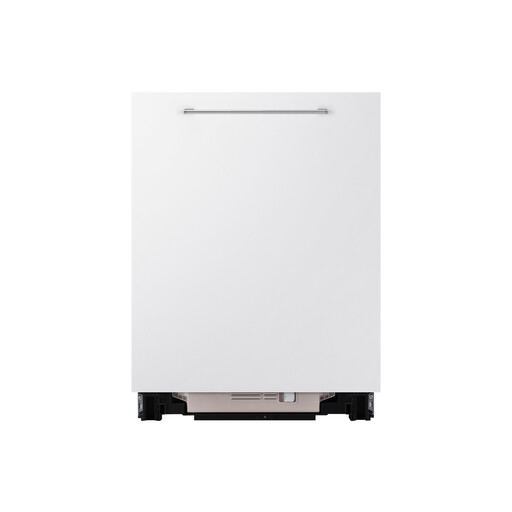 Image unavailable
Worth considering if you want to fit an appliance into a fitted kitchen and regularly have full loads.
The product name indicates a width of 60 cm and a B rating. Check the manual for recess, door panel and hinge measurements; the energy label lets you compare water and electricity use for the Eco programme.
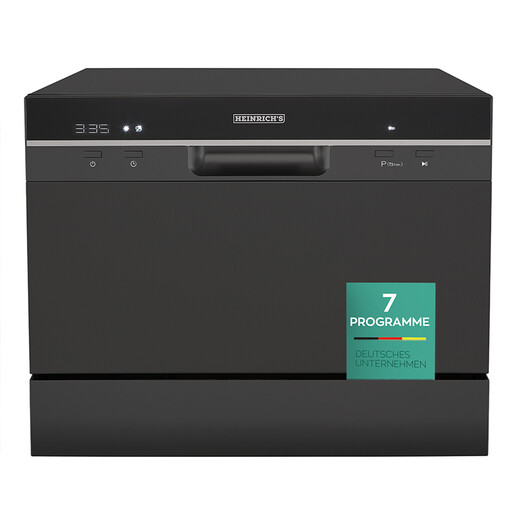 Image unavailable
A worktop model is worth considering if you have limited space and small loads. Compare its 6 place settings with the dishes you produce between cycles.
The product name indicates 7 programmes, 47 dB and a D rating. Measure your worktop and check the appliance’s dimensions and the connections specified in its manual.
Check that the space has access to a water supply, a drain and an electrical connection suitable for the model. For an integrated dishwasher, also measure the recess, door panel and plinth, then compare them with the installation instructions.
Compare energy use in kWh per 100 cycles, water use in litres per cycle, capacity in place settings, Eco programme duration and noise level, as well as the A to G rating. ADEME presents these figures as useful points of comparison; comparing appliances with similar capacities makes it easier to see which will suit your household.
Yes, if the model has a water softener that needs adjusting to suit your water hardness. Find out how hard your water is, then follow the manual for settings and maintenance. Whirlpool gives this advice for the relevant appliances in its range.
In France, the statutory legal guarantee of conformity applies to new, second-hand and refurbished goods sold by a professional to a private individual, according to the Ministry of the Economy. It covers goods that do not conform and may also cover installation if this is the seller’s responsibility or if the fitting instructions are inadequate. It is separate from a retailer’s returns policy for change of mind.