Homes where dirty dishes pile up
If plates and utensils pile up after meals, compare the time you spend washing up by hand with the amount you could fit into one cycle. Running a full load is among ADEME’s recommendations.


A dishwasher is worth considering if dirty dishes regularly pile up and you can fill it without running multiple cycles. If you only have a small amount to wash and do it straight after each meal, hand-washing may still suit you. Then choose between a freestanding, integrated or compact model based on the space available, how much you need to wash and the connections you have. According to Que Choisir, a dishwasher uses less water than traditional hand-washing in the comparison featured in its guide. Your choice also depends on how you load it, how much noise it makes and the energy and water use of the model you choose.
If plates and utensils pile up after meals, compare the time you spend washing up by hand with the amount you could fit into one cycle. Running a full load is among ADEME’s recommendations.
You’ll need to weigh the space an appliance takes up against its capacity. Que Choisir presents 6-place-setting compact models for smaller homes and 45 cm models, generally with room for 9 to 10 place settings, as an option for a small family that uses its dishwasher frequently.
Noise matters more when your kitchen opens onto your living area, as Que Choisir points out. For an integrated appliance, also check the niche, door panel and installation requirements for the specific model.
Start by working out how much washing-up you get through between loads. Then check the space and connections before comparing usage figures.
| Priority | What to check | What you need |
|---|---|---|
| Amount of washing-up | Estimate how much builds up between cycles. Que Choisir generally gives a capacity of 12 to 17 place settings for 60 cm models, 9 to 10 for 45 cm models and 6 for the compact models featured. | “The washing-up piles up after meals”: I’m looking for a capacity I can fill without having to run a cycle too often. |
| Space and installation | Measure the space and clearance. Check the manual for the water supply, electricity and drainage requirements; for an integrated model, check the niche and door panel too. | In my kitchen, I need to know whether I can fit a freestanding appliance, whether an integrated model will fit the unit or whether a compact model will suit the space available. |
| Noise | Compare the stated noise level in dB(A) and the noise class of the models you’re considering. Don’t assume that the number alone tells you how loud it will seem in your room. | My kitchen opens onto the living room, so I want to take the noise into account while the appliance is running. |
| Water and energy | Compare the energy label and water use on a like-for-like basis, particularly for the Eco cycle where figures are provided. ADEME recommends running the appliance with a full load and using the Eco programme. | I want to compare the stated consumption with how often I’ll realistically be able to fill the appliance. |
| Hand-washing | Consider how much washing-up you have, how long you spend doing it and how much space an appliance would take up. According to Que Choisir, a dishwasher uses less water in use than traditional hand-washing in the comparison in its guide. | If I wash a small amount straight after each meal, I’d rather make sure an appliance meets a genuine need before installing one. |
A compact model with 6 place settings and a 60 cm model won’t hold the same amount of washing-up. An appliance that’s too small may mean running more cycles; ADEME also recommends washing a full load.
Estimate how much washing-up you get through between loads, then choose a capacity and width that suit your kitchen.
A freestanding model still needs to be connected to the water supply, electricity and drainage. If you want to fit it under a worktop, its design and dimensions must allow for this.
Measure the space and check the installation instructions for the exact model before ordering.
Adapting the space or connections may require additional work.
These figures don’t tell you about capacity or washing and drying performance. Que Choisir also considers these factors in its tests; figures for the Eco cycle don’t represent every programme.
Compare figures measured on the same basis and, where an independent test is available, look at its washing and drying results too.
The appliance needs cleaning products; depending on the installation, an integrated model may also need a suitable door panel.
Before choosing a model, check which products it needs, whether a door panel is required and what installation work may be involved.
The specifications below apply to specific models featured by their manufacturers, not to each brand’s entire range.
Bosch offers freestanding and integrated dishwashers, with specifications that vary by model.
The ESL2500RO is a 55 cm compact, fully integrated model to consider if your kitchen has a suitable space for it.
Two integrated Miele models show why it’s worth comparing noise levels model by model.
Beko offers integrated dishwashers, including a 60 cm model stated to hold up to 15 place settings.
These models are mostly freestanding dishwashers for households with a regular amount of washing-up, alongside a fully integrated model for a suitably fitted kitchen. Compare their stated capacity with how often you wash up, and check the dimensions before buying.
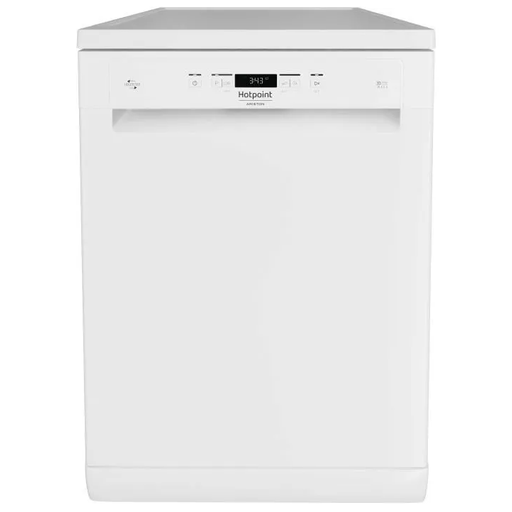 Image unavailable
Its stated capacity of 14 place settings could suit a household that regularly builds up a load of washing-up. The title gives a noise level of 41 dB and a C energy rating; check the dimensions and clearance needed if you want to fit it under a worktop.
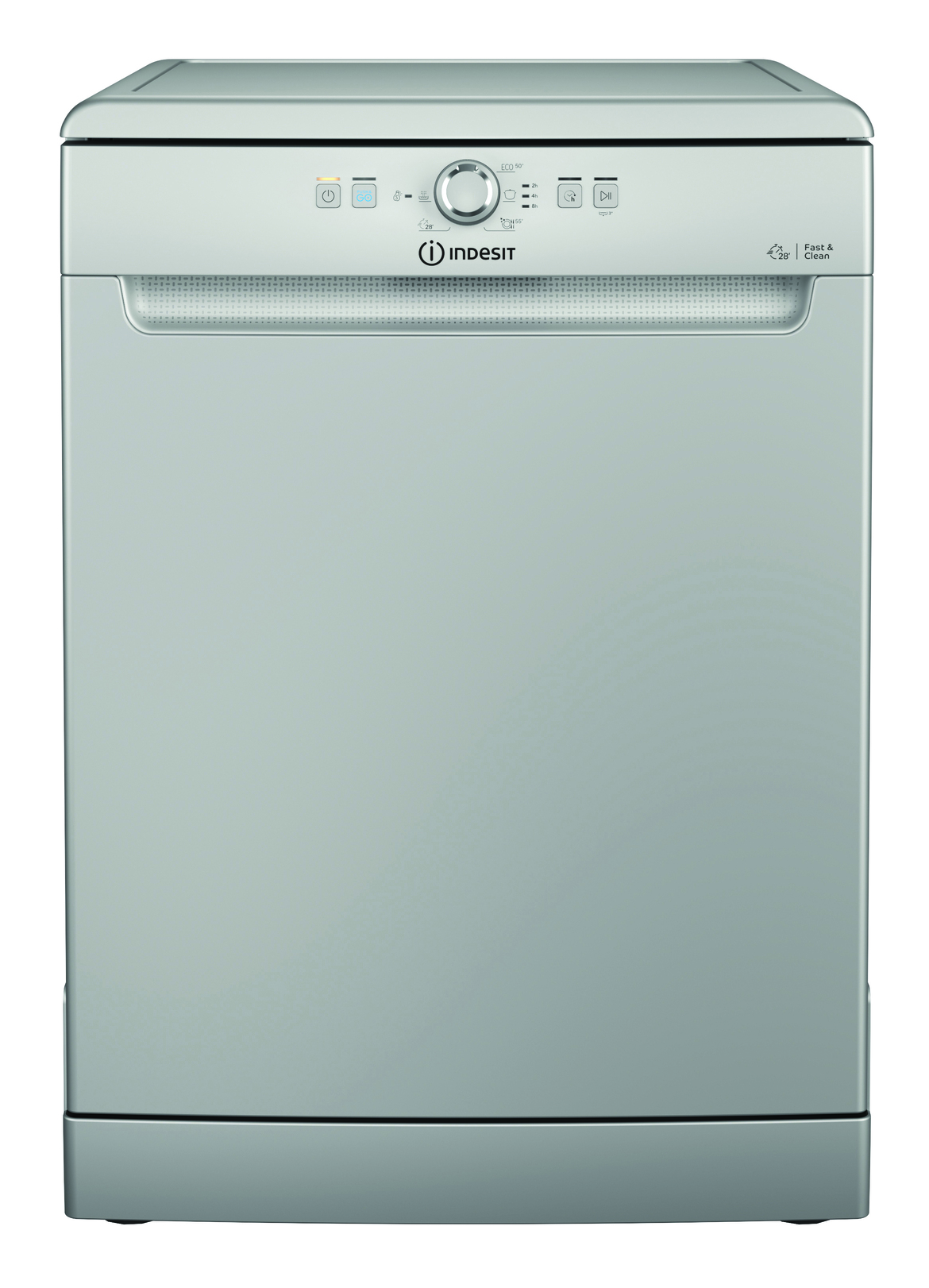 Image unavailable
The stated capacity of 14 place settings could suit you if washing-up builds up between meals. The title gives an E energy rating; check the space and connections in the model’s instructions.
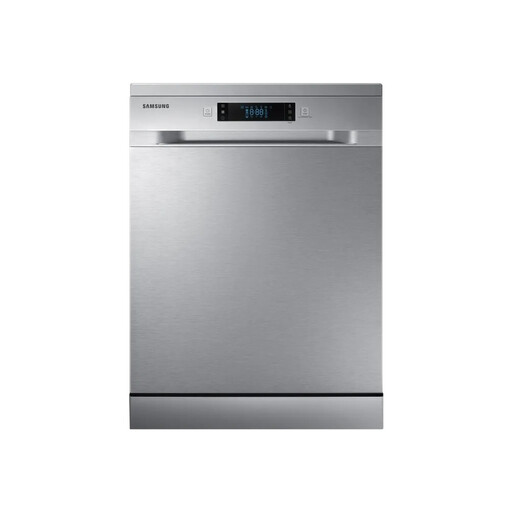 Image unavailable
This model is stated to hold 14 place settings and has 7 programmes for different-sized loads. Check its external dimensions and installation clearances before deciding where to put it in your kitchen.
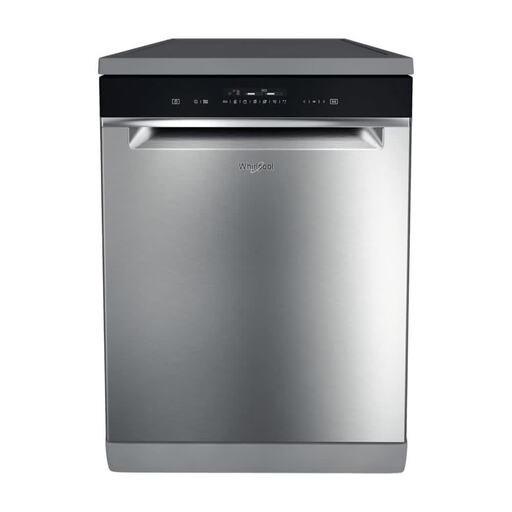 Image unavailable
Its stated capacity of 14 place settings is suited to a household that regularly fills the appliance; the title gives a C energy rating. Be sure to confirm the external width before buying: the “60 cm” description doesn’t match the 67.5 cm width given in the product dimensions.
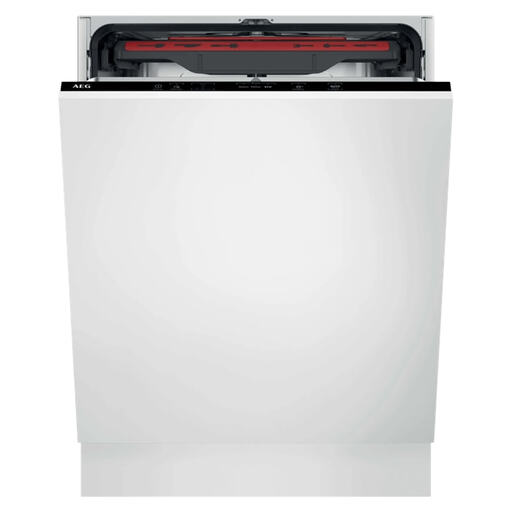 Image unavailable
This model is stated to hold 14 place settings and could be worth considering if you have a fitted kitchen with a compatible niche; the title gives a C energy rating. Check the external dimensions and niche before buying: the 68 cm width given in the dimensions doesn’t match the “60 cm” description.
You’ll need a water supply, an electrical connection and drainage. Bosch lists these among the installation steps; check the instructions for your chosen model to confirm the exact requirements and make sure they’re compatible with your kitchen.
No. Bosch says its dishwashers shouldn’t be installed under a freestanding hob, as the appliance could be affected by overheating or condensation. Also check the installation restrictions for the appliances in question.
ADEME recommends running a full load and using the Eco programme to reduce the energy and water used during operation. However, check the instructions for the right programme and any precautions for your dishes.