Kitchens with a fitted alcove
If you want to keep your kitchen fronts matching, first check the dimensions of the alcove, the door and the hinge system. Width alone isn’t enough to confirm that an integrated model will fit.


If your kitchen has a suitable alcove and cabinet front, consider an integrated dishwasher. If there’s no dedicated space, a freestanding model means you won’t need to fit a cabinet door. A 45 cm or compact model may suit a smaller kitchen, provided its capacity meets your household’s needs. Before choosing, check the dimensions, installation type and connections required.
If you want to keep your kitchen fronts matching, first check the dimensions of the alcove, the door and the hinge system. Width alone isn’t enough to confirm that an integrated model will fit.
A freestanding model means you won’t need a cabinet front. You’ll still need to find a suitable space for it and check the connections. If you’re renting, discuss any plans to alter the fittings or layout with your landlord.
A 45 cm or compact appliance may be a good fit when space is limited. Compare its capacity with the amount of washing-up you usually have: a smaller model may mean running cycles more often.
Start with the space available and installation requirements, then compare the capacity and practical features of models that can actually be fitted in your kitchen.
| Priority | What to check | What I need |
|---|---|---|
| Space and installation | Measure the width, height and depth. For an integrated model, compare the alcove, cabinet front and door system with the model’s installation diagram. For a freestanding model under a worktop, check whether the top panel can be removed. | I have an alcove that needs a cabinet front, or a space without one. I want an appliance that suits the layout of my kitchen. |
| Capacity | Compare the stated number of place settings with the space available. Consider a 45 cm or compact model if space is limited, but don’t assume its capacity from its width alone. | I need the appliance to hold the amount of washing-up I usually have, at a washing frequency that suits me. |
| Installation | Check the water inlet, drain and power supply, as well as what’s needed for the cabinet front. Ask exactly what the installation service includes. | I want to know which connections or alterations need to be in place before delivery. |
| Everyday use | Compare the energy and water use, and the duration shown for the Eco programme, then check the noise level of the specific models. Also check the repairability index shown for each model. | Noise matters to me in an open-plan kitchen. I also want to compare energy and water use on a basis that reflects how I use the appliance. |
EU regulations on energy labelling for dishwashers link the regulated figures to the Eco programme. They let you compare this programme across models, but don’t on their own describe every other cycle or every way of loading the appliance.
An alcove that’s wide enough doesn’t guarantee that the height, depth, plinth and cabinet front will all fit. An integrated appliance must be installed according to its specified fitting method.
Measure your kitchen and check the details of the existing door, then compare them with the installation diagram for the exact model.
If you need to add or adapt a cabinet front, remember to factor in the cost of supplying and fitting it.
Saving space may mean having less capacity, so consider how much washing-up your household produces.
Check the stated number of place settings and whether the resulting washing frequency will suit you.
According to Que Choisir, basic installation doesn’t necessarily include the plumbing or electrical alterations needed for your chosen location.
Check the existing connections and ask what work is included before arranging delivery.
Installing a water inlet or drain may require a separate visit.
The regulated figures used to compare dishwashers relate to the Eco programme; they don’t necessarily represent every programme available.
Compare the Eco figures across models, then look separately at capacity, noise and the programmes that suit your needs.
Bosch guides can help you take the measurements you need and understand the different cabinet-front configurations for integrated models.
Beko’s range includes freestanding, integrated and fully integrated dishwashers.
Miele offers integrated and freestanding appliances, as well as a 45 cm fully integrated model.
These models show two different configurations: a freestanding appliance that doesn’t need a cabinet front, or an integrated model for a fitted kitchen with an alcove. Always compare the measurements and installation requirements of the specific model with the space you have.
 Image unavailable
For a space without a cabinet front, this freestanding model has a stated capacity of 14 place settings. If you plan to fit it under a worktop, compare the available height with the model’s installation instructions.
 Image unavailable
Worth considering for a kitchen with an alcove and a cabinet front to fit. It has a stated capacity of 13 place settings. Before choosing this model, compare the alcove, cabinet front and door system with the installation diagram.
 Image unavailable
This freestanding model has a stated capacity of 14 place settings and 7 cycles, and doesn’t need a cabinet front. If you want to fit it under a worktop, check the height, required clearances and whether the top panel can be removed in the instruction manual.
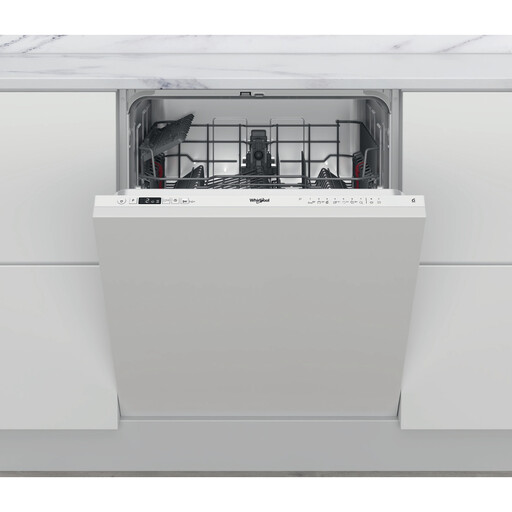 Image unavailable
This integrated model has a stated capacity of 14 place settings and is designed for a fitted kitchen. Check the installation diagram for the space required and to make sure the cabinet front and door system are compatible with your kitchen units.
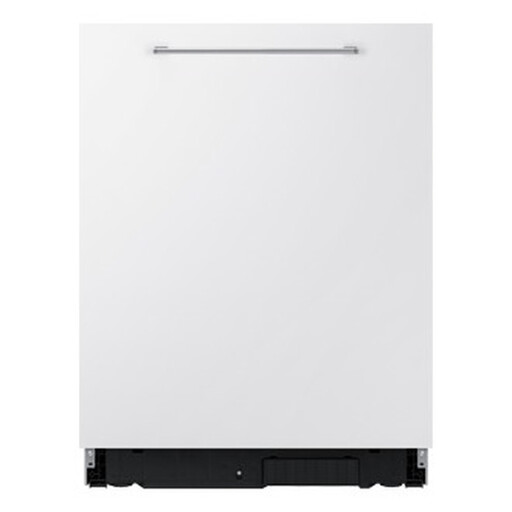 Image unavailable
Consider this for a kitchen with an alcove and cabinet front. It has a stated capacity of 13 place settings. Check the full dimensions and door system on the model’s installation diagram before planning to fit it.
Yes, if your kitchen has a suitable alcove and can accommodate the cabinet front required by the integrated model. Measure the space and check the door and installation diagram: the two types of appliance are fitted differently.
Some models can be fitted this way, but being freestanding doesn’t guarantee it. Check the manual to see whether the top panel can be removed if needed, then compare the resulting height and required clearances with the space available.
First choose a size that fits the space, then check that its capacity suits the amount of washing-up you have. A 45 cm or compact model takes up less space in width or overall volume, depending on its design, but check the capacity of the specific model to avoid having to run cycles too often.
Check the water inlet, drain and power supply available at the installation location, following the model’s instructions. Que Choisir points out that basic installation doesn’t necessarily include plumbing or electrical work, so confirm what’s needed before delivery.
Compare the energy and water use, and the duration of the Eco programme, across the models you’re considering. EU energy-labelling regulations base these figures on this programme; check the other cycles, capacity and stated noise level separately for each model.