No dedicated space
You want to switch from washing up by hand to using an appliance without refitting your kitchen. The type of installation, available space and connections will determine which formats you can consider.


For your first dishwasher, start by choosing a fitting type that works with your kitchen: go for a freestanding model if you don’t have a dedicated space, or an integrated model if you have a suitable space and cabinet door. A 45 cm-wide or compact model could be a good choice if space is limited or you have fewer dishes to wash, although you may need to run it more often. Then compare usable capacity, water and energy consumption, and the Eco programme duration – and don’t forget the consumables.
You want to switch from washing up by hand to using an appliance without refitting your kitchen. The type of installation, available space and connections will determine which formats you can consider.
You need to weigh up the space taken by a compact or 45 cm-wide model against the amount of washing up you need to do each cycle.
You want to spend less time washing up by hand while comparing water and energy consumption, noise levels and the consumables you’ll need.
First, measure the space and check the connections. Then choose a capacity that suits the dishes you use most often. To compare how appliances perform, ADEME and the European Commission explain the energy label indicators, including kWh per 100 cycles and water consumption per cycle.
| What matters | What to check | Who this matters to |
|---|---|---|
| Installation | Measure the space and check the water inlet, drain and plug socket. For an integrated model, also check the housing and cabinet door. | Without a dedicated space, I need to know whether the appliance will fit in my kitchen before choosing a model; around 33% of consumers put this compatibility first. |
| Capacity and dimensions | Compare the width, number of place settings and basket layout with the plates, dishes and pans you use regularly. | In a small kitchen, I’m looking for a size that fits my dishes without needing extra cycles; around 27% of consumers prioritise usable capacity. |
| Water and energy | Check the kWh per 100 cycles and litres of water per cycle on the label, then check how long the Eco programme takes. | If I run a cycle often, I want to understand how much it uses and which products it needs; around 27% of consumers prioritise everyday running costs. |
| Noise and convenience | Check the noise level in dB and look at the baskets or drying features that will be useful for your dishes. | With an open-plan kitchen or cycles running in the evening, I mainly want to minimise noise and handling; around 13% of consumers put everyday convenience first. |
An integrated dishwasher needs to fit into a suitable kitchen unit and have a cabinet door fitted; it isn’t simply a like-for-like replacement for a freestanding appliance. Que Choisir highlights this difference in installation.
Before choosing a model, get the housing dimensions, cabinet door fixings, plinth, door clearance and connections checked.
A narrower model leaves less room for larger dishes. If your usual dishes don’t fit in the baskets, you may need to run extra cycles.
Check the basket layout and the space available for your pans and plates rather than relying on the number of place settings alone.
The letter on its own doesn’t tell you how much water the appliance uses, how long the Eco programme takes or how noisy it is. The label figures apply to the reference programme, not necessarily to the other programmes.
Compare the label indicators for appliances that suit your space and the amount of washing up you have. Also check that the cycle duration fits your routine.
Switching to a dishwasher also means buying detergent and carrying out regular maintenance. Que Choisir includes consumables among the things to consider in everyday use.
Check the model’s manual to find out which products to use and what maintenance is recommended.
Detergent, rinse aid, dishwasher salt and maintenance all add to the cost of using the appliance, depending on the model and how you use it.
Worth considering for a 60 cm freestanding model if loading options and leak protection are important to you.
Worth considering if a 45 cm width suits your space constraints.
Worth considering if you’re comparing different 60 cm installation types and basket layouts.
Worth considering if you want to compare freestanding and integrated appliances, with programmes and features that vary by model.
These freestanding and integrated models are designed for everyday washing up. First choose the type of installation that suits your kitchen, then compare the listed capacity and features with your needs.
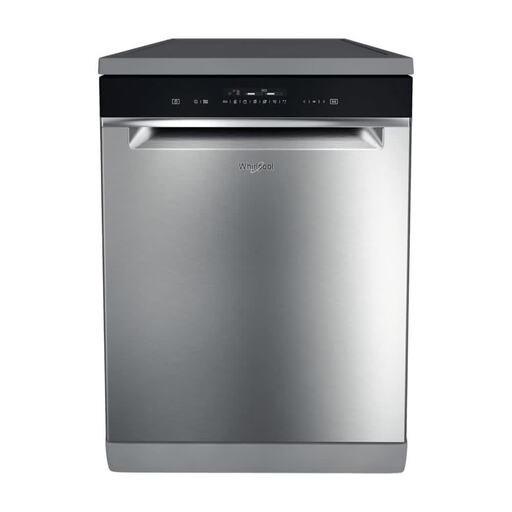 Image unavailable
Worth considering for a kitchen without a dedicated housing and with a regular amount of washing up. The listing states 14 place settings and an energy class C. It gives the width as 60 cm, but the dimensions listed are inconsistent. Confirm the external measurements before deciding where to put it, and check the Eco programme duration if that matters to you.
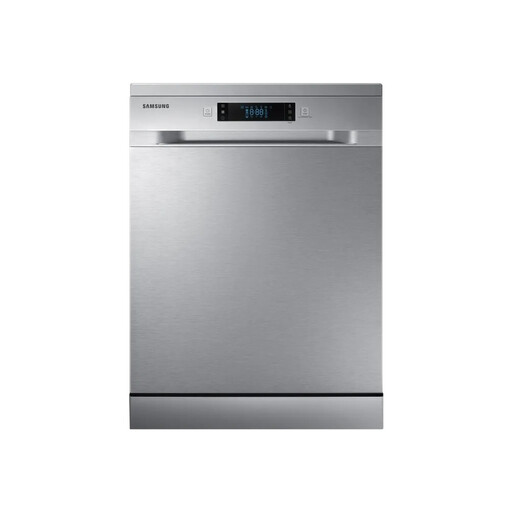 Image unavailable
Worth considering if you want 14 place settings without a cabinet door to match your kitchen units. The product name lists seven programmes. Before choosing a position for it, check the model’s dimensions and connections, and check how long the Eco programme takes.
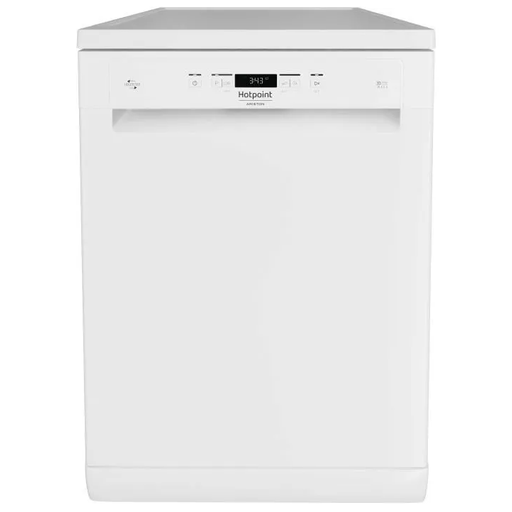 Image unavailable
Worth considering if you have space for a 60 cm freestanding appliance. The product name lists 14 place settings, 41 dB and energy class C. If you’re thinking of installing it under a worktop, check the dimensions and whether the removable top makes it suitable. The description mentions automatic door opening at the end of the cycle, so bear in mind that hot steam may escape when you open it.
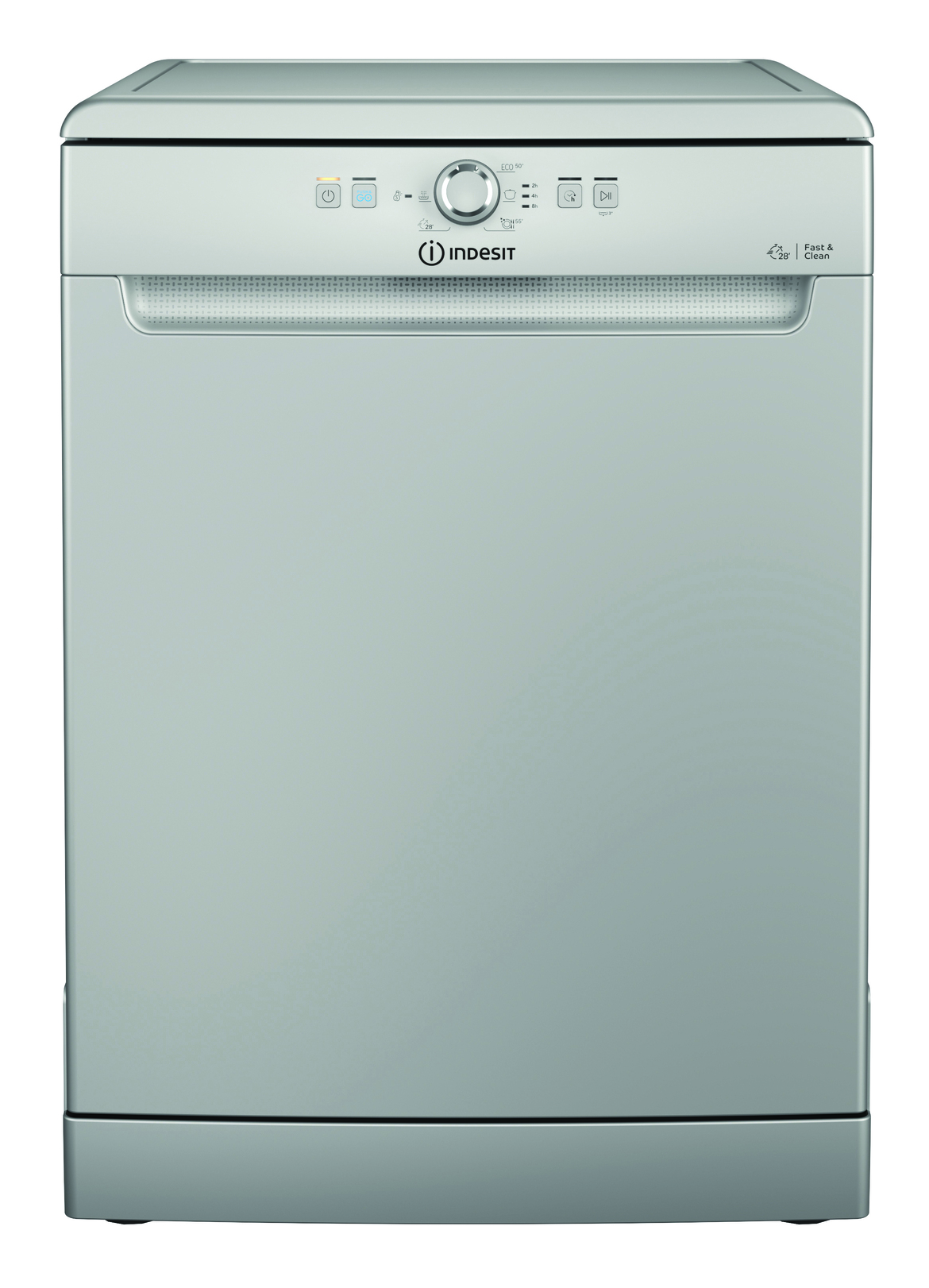 Image unavailable
Worth considering if your kitchen has room for a 60 cm freestanding model and you need 14 place settings, as listed in the product name. It has an energy class E rating. To compare its consumption with other appliances, check the kWh per 100 cycles on the label. Also check the clearance and connections before installing it under a worktop.
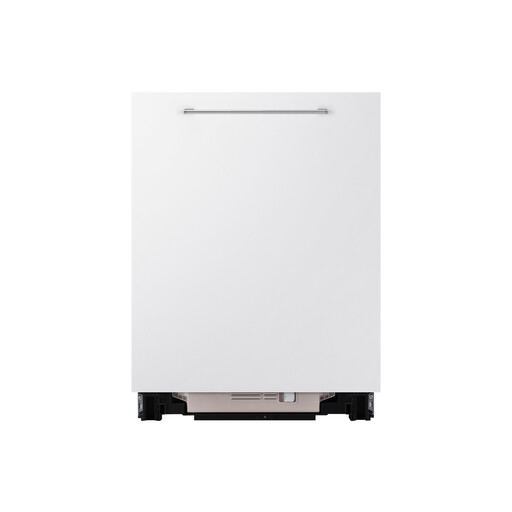 Image unavailable
Worth considering if your kitchen has a housing and cabinet door that are suitable for a 60 cm integrated appliance. The product name lists 13 place settings and an energy class B rating. Get the housing dimensions and installation requirements confirmed; the model’s energy label will let you compare water and energy consumption and the Eco programme duration.
Choose based on the space available and how much washing up you have, not on width alone. Que Choisir describes 60 cm freestanding models as generally offering 12 to 17 place settings, and 45 cm models as offering 9 to 10. Its compact tabletop models typically offer around 6 place settings. Measure the space and check that your dishes fit in the baskets.
Not without checking your kitchen: an integrated model needs a suitable housing and cabinet door, while a freestanding model has its own finished exterior. If you want to fit a freestanding model under a worktop, check the dimensions and whether the top can be removed.
Check the energy class, kWh per 100 cycles, water per cycle, capacity, noise level and Eco programme duration. ADEME and the European Commission present these indicators as a basis for comparison; check the details of any other programmes you plan to use separately.
Allow for detergent, and check the manual to find out when to use rinse aid and dishwasher salt. Maintenance is also part of everyday use. For an integrated model, make sure the cabinet door and installation requirements are suitable before choosing the appliance.