Hard water or persistent marks
You want to adjust the water softener, salt and rinse aid to suit your water and the dishwasher manual, rather than applying a threshold intended for a different appliance.


To choose consumables for a dishwasher that’s already installed, start with the appliance manual and your water hardness. Then choose a detergent and check whether you need salt or rinse aid. An all-in-one formula doesn’t always mean you can skip these extras. If environmental credentials matter to you, check the label on the specific product and don’t confuse it with a guarantee of compatibility.
You want to adjust the water softener, salt and rinse aid to suit your water and the dishwasher manual, rather than applying a threshold intended for a different appliance.
You’re comparing the recommended doses and the number of washes each pack provides, so you don’t use more product than you need.
You want to identify a label on the product and understand the criteria it covers, without treating a general brand claim as a certification.
Start with the settings recommended for your appliance and water. Then you can assess the instructions for detergent, salt and rinse aid without assuming that an all-in-one formula suits every situation.
Consider it if: you prefer a pre-measured dose for each cycle and the product instructions are suitable for your water and appliance.
Bear in mind: an all-in-one product doesn’t automatically remove the need for salt, rinse aid or a water-softener setting.
Consider it if: the manual or your results lead you to adjust the water softener or rinse aid separately.
Bear in mind: the reservoirs and their settings need separate attention; follow the instructions for each product.
| Criteria | What to check | Who it matters to |
|---|---|---|
| Water hardness and salt | Local water hardness, the water-softener setting in the manual, and the conditions for using salt or your chosen detergent. | If my water is hard, I want to know how to set the water softener and when to refill the salt reservoir, without following instructions meant for another machine. Around 31% of consumers put adapting to their water first. |
| Detergent dosage | The dose specified for each wash and any format-specific instructions, especially if the detergent isn’t pre-measured. | For regular washes, I want to use the recommended amount and know how many cycles the pack provides. Around 23% of consumers prioritise controlling dosage. |
| Drying and marks | The rinse-aid compartment and setting; check the manual before changing the dose. | If my dishes have marks or aren’t drying properly, I want to check the rinse aid without mistaking it for detergent. Around 23% of consumers prioritise this need. |
| Environmental labels | The name of the label displayed on the product and the criteria it covers, as well as the product’s dosage instructions. | If I want an environmental benchmark, I want to compare clearly defined criteria rather than rely on the word “eco” alone. Around 23% of consumers make checking the label a priority. |
For products that carry it, ADEME highlights criteria associated with the EU Ecolabel, including dosage, packaging, biodegradability and effectiveness at low temperatures. These criteria don’t replace your dishwasher manual.
Bosch recommends using salt from 20 °f in its guide, while Rainett says to add salt and rinse aid above 38 °f for its Tout-en-1 Citron Vert tablets. These recommendations aren’t a universal rule for all products and dishwashers.
Check your water hardness, your model’s manual and the instructions for the product you’re using before adjusting the water softener or adding extras.
A label sets out criteria for the product that carries it; it doesn’t, on its own, determine your appliance’s settings or whether it needs salt or rinse aid.
Check the label on the product you choose, then look separately at its dosage and your dishwasher’s instructions.
Detergent and rinse aid have different functions at different stages of the cycle.
Pour each product into the compartment specified in the manual. Only adjust the rinse-aid setting in line with its instructions.
These ranges offer useful examples of different formats and instructions for use. Always check the specific product before choosing.
In France, Finish offers detergents in several formats, as well as additives such as rinse aid.
The range includes tablets, gels and rinse aid; some tablet products carry the EU Ecolabel.
Rainett offers all-in-one tablets and rinse aid, with instructions specific to each product.
This selection includes all-in-one detergents, rinse aid and dishwasher salt for a dishwasher that’s already installed. For tablets shown with a label, check it appears on the pack you choose and always follow your appliance’s instructions.
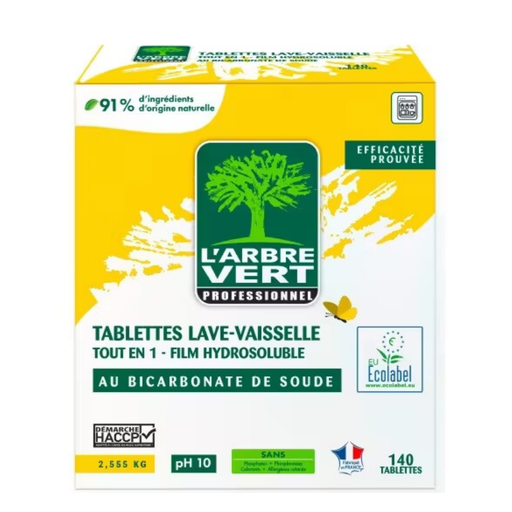 Image unavailable
For a wash with one pre-measured tablet. This product is described as phosphate-free and its name includes the EU Ecolabel; check the label on the pack you buy and follow the manual for salt and water-hardness settings.
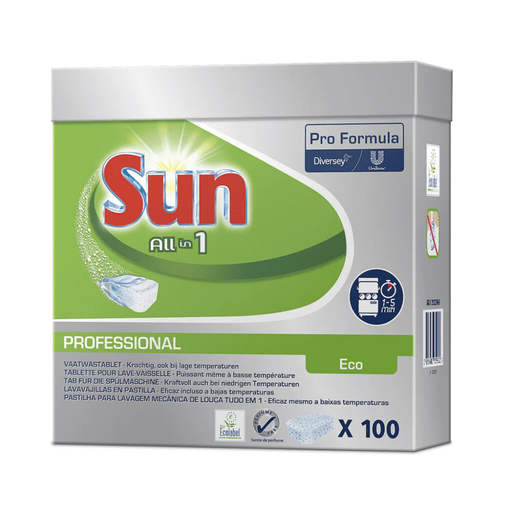 Image unavailable
For a pre-measured detergent dose. This product is shown with the EU Ecolabel; check the label on the pack and follow the guidance on salt and rinse aid for your water hardness.
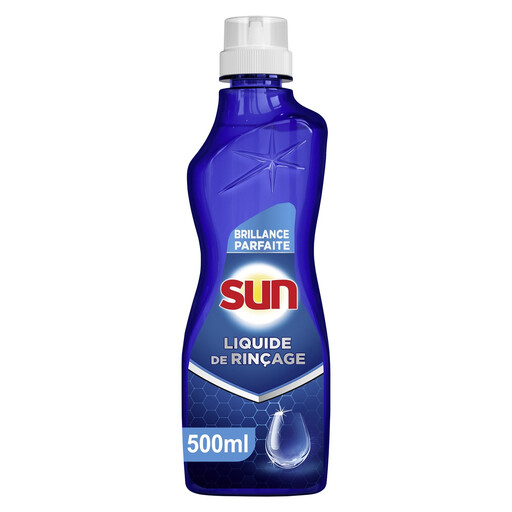 Image unavailable
For adjusting the rinse-aid setting separately from the detergent. Pour it into the designated reservoir and set the dosage as instructed in your dishwasher manual; it doesn’t replace detergent.
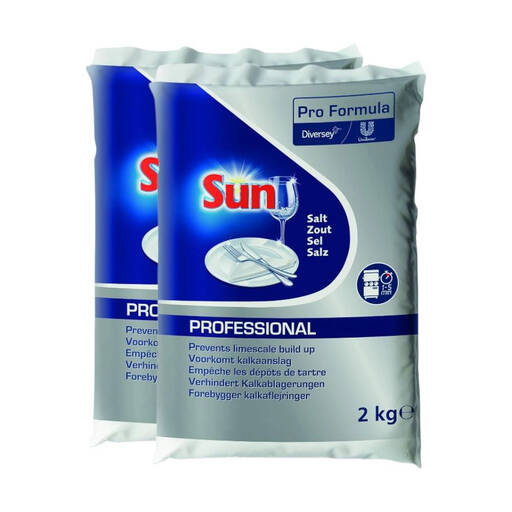 Image unavailable
For the salt reservoir in a dishwasher fitted with a water softener, when its use is recommended in the manual. Check the setting for your water hardness before filling the reservoir.
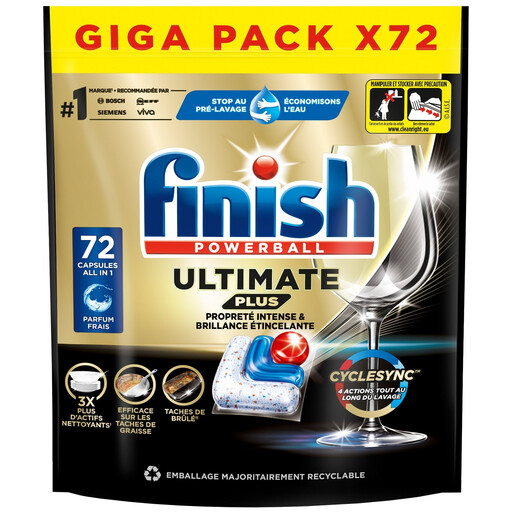 Image unavailable
For a pre-measured detergent capsule in every cycle. Check the manual and pack to see whether your water hardness means you also need salt or rinse aid. Handle the capsules in line with their warnings and keep them out of reach of children.
Not always. The need depends on factors including water hardness, the dishwasher and the tablet instructions. Bosch recommends using salt from 20 °f in its guide, while Rainett says to add salt and rinse aid above 38 °f for its Tout-en-1 Citron Vert tablets. First check your model’s manual and the instructions for the product you’re using.
Adjust it in line with the manual if the results suggest the dosage isn’t right. Bosch says bluish marks may indicate too much rinse aid, while white marks may mean there isn’t enough. Check the settings recommended for your appliance before changing them.
No. The European Commission describes the EU Ecolabel as a voluntary scheme. If it appears on a product, check the criteria that apply to its category; the Commission says the criteria for the relevant category remain valid until 31 December 2026.
Look for the name of a label actually displayed on the product and the criteria it covers. For the EU Ecolabel for dishwasher products, ADEME highlights requirements including dosage, packaging, biodegradability and low-temperature effectiveness tests. A general brand claim doesn’t show that these criteria apply.