Which criteria should you check first?
First, check whether an appliance can be installed, then choose a capacity that suits your loads. If there’s no suitable space or your loads are too small to fill the machine regularly, include washing by hand in your comparison too.
| Criteria |
What to check |
Who it matters to |
| Space and connections |
Measure the width, height, depth and door clearance. Check the model’s manual for any required housing dimensions, water supply, drainage and electrical connection. |
If my kitchen is narrow or already has a space for a dishwasher, I need to know whether the appliance will actually fit. Around 31% of consumers would make this compatibility their top priority. |
| Capacity per cycle |
Compare the stated place-setting capacity, then check how much room the baskets leave for your pans and large dishes. |
When several meals quickly fill the sink, I want to avoid running multiple cycles or letting the washing-up pile up. Capacity would come first for around 31% of consumers. |
| Water and electricity use |
On the energy label, check the kWh per 100 cycles and litres per cycle for the reference programme. Compare models with similar capacities. |
If I run the machine often, I want to compare how much water and electricity each cycle uses, rather than looking only at the energy rating. Around 25% of consumers would prioritise these figures. |
| Noise and programme duration |
Check the dB rating, noise class and Eco programme duration. Reviews can also give you an idea of perceived noise and vibration. |
In an open-plan kitchen, I need the machine’s noise and cycle end time to fit around household life. Quiet operation and programme duration would be the main priority for around 13% of consumers. |
Freestanding and integrated models on Joybuy
These freestanding and integrated models let you compare stated capacities of 13 or 14 place settings. To choose between them, start with the available space and installation type, then check the specifications and manual for each model.
 Image unavailable
Samsung DW60M6050FS freestanding dishwasher, 14 place settings, grey
Worth considering if you have a dedicated space and tend to build up large loads after meals. The product title lists seven programmes; check the manual for dimensions and connections suited to your kitchen.
View on Joybuy
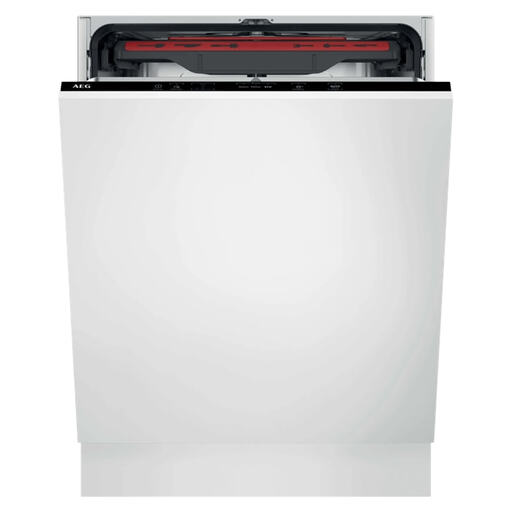 Image unavailable
AEG FSB34707Z integrated dishwasher, 60 cm, 14 place settings, class C
Worth considering for a fitted kitchen that can accommodate a fully integrated appliance. The 60 cm width stated in the title doesn’t match the 68 cm mentioned in the description. Confirm the actual dimensions and housing size in the manual before buying.
View on Joybuy
 Image unavailable
Indesit D2F HK26 S freestanding dishwasher, 60 cm, 14 place settings, grey, class E
Worth considering for larger loads if you have a dedicated space of a suitable width. Before comparing its water use with other appliances, check which programme the figure on the product page refers to.
View on Joybuy
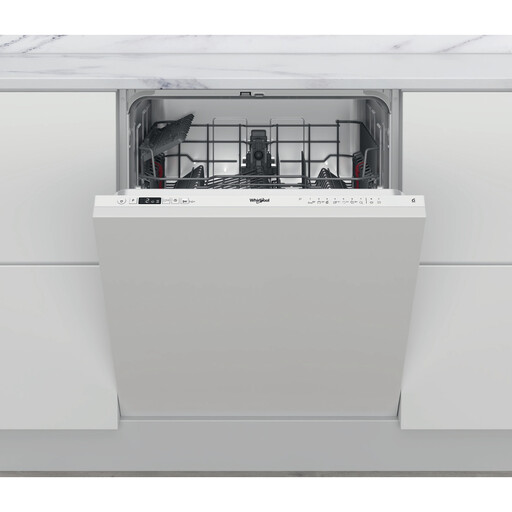 Image unavailable
Whirlpool W2I HD526 A integrated dishwasher, 60 cm, 14 place settings, white, class E
Worth considering if your kitchen has space for an integrated model and you need to fit a large load. Check that the unit, door front and connections are compatible using the manual, then compare the energy label.
View on Joybuy
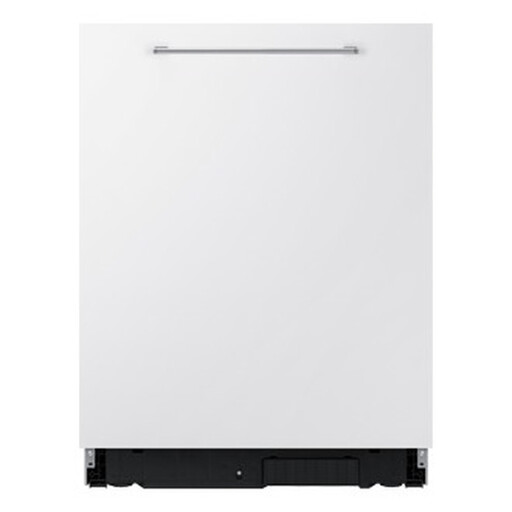 Image unavailable
Samsung DW70H72WCB0U1 built-in dishwasher, 60 cm, 13 place settings, class C
Worth considering for a fitted kitchen if the stated capacity of 13 place settings suits your loads. Check the manual for the housing dimensions and connections, and make sure the sliding door is compatible with your unit.
View on Joybuy
Frequently asked questions
What should you compare on a dishwasher energy label?
Compare the energy rating, kWh per 100 cycles, litres of water per cycle, place-setting capacity, Eco programme duration and noise level. According to the European Commission and ADEME, these figures describe the reference programme; ideally, compare appliances with similar capacities.
Do you need a water supply and drainage to install a dishwasher?
Yes. A plumbed-in dishwasher needs a water supply, wastewater drainage and an electrical connection suitable for the model. The Bosch manual distinguishes between these three connections; check the manual for your model for the exact requirements, and get any necessary adaptations in your home assessed.
Does a dishwasher always use less water than washing by hand?
No. This isn’t true for every load or every way of washing up. UFC-Que Choisir says a dishwasher can use less water for a comparable amount of washing-up; this depends in particular on how full it is and which programme you use. ADEME recommends waiting until you have a full load and avoiding pre-rinsing.
Can you compare repairability before buying?
Yes. In France, dishwashers are among the products covered by the repairability index, scored from 0 to 10, according to the ministry responsible for the ecological transition. Check the model’s score and its breakdown when available. The index doesn’t measure washing performance or energy use.
What legal guarantee applies to a dishwasher bought from a professional seller in France?
The legal guarantee of conformity applies to goods sold by a professional to a consumer in France. The Ministry of the Economy states that you have two years to claim under it. Any commercial warranty is separate from this legal right and doesn’t replace it.


