What should you look for?
According to guides from UFC-Que Choisir, the main difference between freestanding and integrated dishwashers is how they fit into your kitchen layout. Once you’ve found models that fit the space, you can compare their capacity and features.
Freestanding
Consider this if: you don’t have a dedicated housing unit or want the flexibility to change your kitchen layout.
Bear in mind: the appliance will be visible. Check the specific model before fitting it under a worktop.
Semi-integrated
Consider this if: you have a housing unit and want the controls to remain visible on the front.
Bear in mind: the door panel won’t cover the control panel, and the appliance must be compatible with your kitchen units.
Fully integrated
Consider this if: you want to hide the appliance behind a door panel that matches your kitchen.
Bear in mind: the housing unit, door panel, plinth and door mechanism must all be compatible with the model you choose.
Slimline or compact
Consider this if: the available width or worktop space limits the size of appliance you can fit.
Bear in mind: a smaller capacity may mean running more frequent cycles.
| Factor |
What to check |
Who this matters to |
| Integration compatibility |
Measure the housing unit’s width, height and depth. Compare them with the model’s installation diagram, and check the door panel, plinth and door mechanism. |
If I’m keeping my kitchen units, I want to avoid the new door catching on the plinth or the appliance not fitting in the housing. Around 36% of consumers may put this compatibility first. |
| Flexible layout |
Check the location and access to the connections. If fitting the appliance under a worktop, check the available height and whether the model’s top can be removed. |
If my kitchen layout may change, I’d rather install or replace the appliance without relying on a kitchen-unit door panel. Around 29% of consumers may prioritise this flexibility. |
| Capacity and dimensions |
Compare the available space, the stated place setting capacity and how often you run a load. |
If space is limited, I want a model that can fit my dishes without needing to run extra cycles. Around 21% of consumers may prioritise this balance. |
| Installation work and services |
Ask for details of the existing connections and the services included for the door panel, installation, commissioning and removal of the old appliance. |
Before choosing an integrated appliance, I want to know what work will be needed in my kitchen. This may be the main concern for around 14% of consumers. |
Dishwashers available on Joybuy
These models suit two types of kitchen: one with fitted units for an integrated appliance, and one where a compact model can sit on the worktop. For built-in dishwashers, the measurements and door-panel fitting are key. For compact models, check the space available and how much washing-up you need to fit inside.
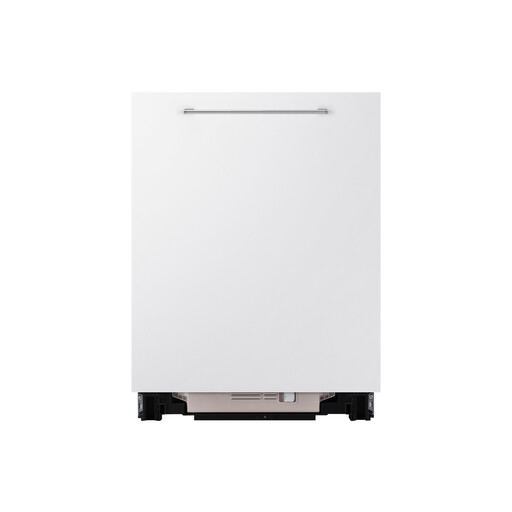 Image unavailable
Samsung DW80H72YBB0U1 built-in dishwasher, 60 cm, 13 place settings
Worth considering for a kitchen designed for a built-in appliance. The product name states a width of 60 cm, a capacity of 13 place settings and an energy rating of B. Check the installation diagram against your housing, door panel and plinth.
View on Joybuy
 Image unavailable
Comfee' CDWMTO201D(W), worktop dishwasher
Worth considering when worktop space is a key factor. The product name states that it has a built-in 5 L tank and 6+3 programmes. Check how much space it needs and how the water supply and waste outlet will work in your chosen spot.
View on Joybuy
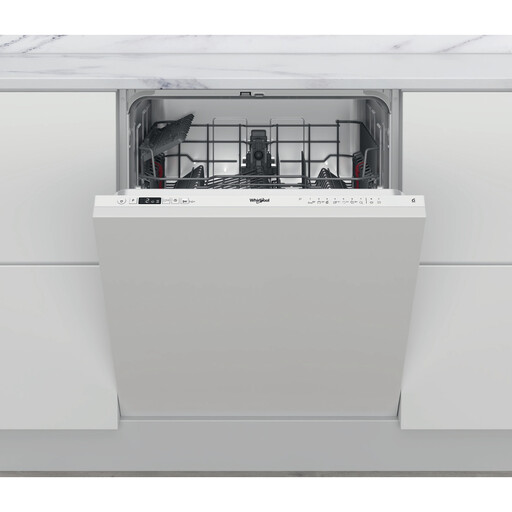 Image unavailable
Whirlpool W2I HD526 A built-in dishwasher, 60 cm, 14 place settings
Worth considering if you have a built-in housing unit and want the capacity stated in the product name. It specifies a width of 60 cm, 14 place settings and an energy rating of E. Check the manual for the installation measurements and door-panel fitting requirements.
View on Joybuy
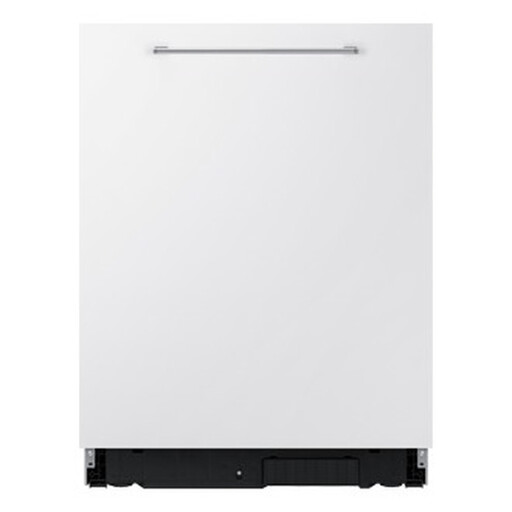 Image unavailable
Samsung DW70H72WCB0U1 built-in dishwasher, 60 cm, 13 place settings
Worth considering when replacing or installing a built-in appliance. The product name states a width of 60 cm, 13 place settings and an energy rating of C. Measure the housing and check the door mechanism, as well as the compatibility of the door panel and plinth.
View on Joybuy
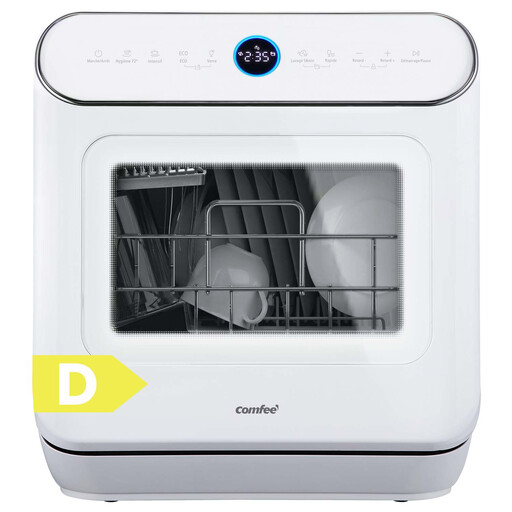 Image unavailable
COMFEE CDWMT305WD, mini worktop dishwasher
Worth considering if a compact appliance suits the space available. The product name lists 7 programmes and an energy rating of D. Its capacity is given as “3 Cutlery”, so it can’t be compared directly with a standard place-setting figure. Check how much of your washing-up it can actually hold.
View on Joybuy
Frequently asked questions
What should you measure before buying a built-in dishwasher?
Measure the usable width, height and depth of the housing unit, then compare them with the installation diagram for the model you’re considering. Also check the door panel, plinth height and door clearance. Bosch’s installation guides show that these details vary according to the model and its door mechanism.
What connections will you need?
According to UFC-Que Choisir, a dishwasher needs a water supply, an electricity supply and a waste outlet. Before deciding where to put it, check access to all three and ask whether creating or altering any connections is included in the planned installation.
Can a freestanding dishwasher fit under a worktop?
Yes, some models have a removable top and are low enough to fit once it has been taken off. Check both details in the manual for the model you’ve chosen. Don’t assume that the top of a freestanding dishwasher can be removed.
What else do you need for an integrated dishwasher?
You’ll need a compatible door panel. Check whether fitting it, connecting the appliance or adapting your kitchen units will be necessary. UFC-Que Choisir distinguishes this work from simply commissioning the appliance, so ask for a breakdown of the services included before making your choice.


