Housemates sharing a kitchen
If plates, glasses and dishes used by several people pile up every day, look at the usable space in the baskets as well as the stated capacity in place settings.


In a household where several people use the kitchen every day, start by checking the available space and how much crockery needs washing, then look at the baskets: the number of place settings alone won’t tell you whether your dishes and pans will fit. A 60 cm appliance is worth considering if you have room for one; a 45 cm or compact model may be better when space is limited, but check that its capacity suits your mealtimes. Also compare the Eco programme duration, water and energy use, and noise levels on each model’s label.
If plates, glasses and dishes used by several people pile up every day, look at the usable space in the baskets as well as the stated capacity in place settings.
If you want to run a cycle during a conversation, while working or in the evening, compare the dB level and noise class shown on the label. ADEME notes that dishwashers can vary considerably in how noisy they are.
Before choosing between a 60 cm, 45 cm or compact appliance, measure the available width, height and depth. If you have an appliance housing, compare it with the installation diagram for the model you’re considering.
First check anything that could make the appliance unsuitable for your kitchen or everyday loads. Then compare the Eco programme figures and noise levels.
| Feature | What to check | Your needs |
|---|---|---|
| Space and installation type | Measure the width, height and depth. For an integrated model, compare the housing with the model’s diagram; for a freestanding model installed under a worktop, check the installation requirements in its manual. | I have a housing to fill, or I need to fit the appliance without modifying the units. A compact model only makes sense for me if it can also hold enough of our crockery. |
| Capacity and baskets | Compare the stated place settings, then check the space for large dishes, glasses and pans. Look at the cutlery drawer or basket and the basket adjustments available on that particular model. | Between meals shared by everyone, I’d like to be able to load more than just plates. If space means choosing a 45 cm model, I need to consider whether more frequent cycles would suit the household. |
| Noise | Check the dB level and noise class on the labels of the appliances you’re comparing. ADEME points out that their noise levels are not all the same. | The kitchen opens onto the living area, or the dishwasher may need to run while someone is working or resting nearby. |
| Eco cycle | According to the European Commission, the label shows figures including kWh per 100 cycles, litres per cycle and the Eco programme duration. Check the figures for any other programmes you’re interested in separately. | We run the dishwasher often, so I want to compare the reference consumption figures without assuming the Eco cycle will finish before the next meal. |
This figure doesn’t show how much room there is for the pans, dishes and glasses used by your household.
Check the basket adjustments and how the cutlery is stored. Look at the loading diagram in the manual or, if possible, try fitting your bulkiest items inside.
The label lets you compare reference consumption figures, but it also shows a programme duration that you’ll need to factor into your mealtime routine. For example, Electrolux lists a 4-hour Eco cycle for its ESM48400SX; this duration doesn’t apply to other models.
Check the Eco duration for the model you choose, then look separately at the short or automatic programmes and their figures, where available.
A stated width doesn’t confirm that the appliance will fit under your worktop or into an existing housing. Bosch advises measuring all three dimensions of the space.
Compare your measurements with the exact model’s dimensions and installation diagram. For a freestanding model installed under a worktop, check the guidance about its top panel.
In a kitchen used by several people every day, having the dishwasher out of action can make it harder to keep on top of the washing-up. In France, the Ministry of the Economy says dishwashers must display a repairability index.
Compare the index for the models you’re considering and check the manufacturer’s information about spare parts and how to order them.
These ranges offer examples of formats and layouts to compare. Features mentioned for one model don’t necessarily apply to every appliance from the same brand.
Bosch offers freestanding 45 cm and 60 cm appliances, as well as compact models, to consider depending on the space available.
The ESM48400SX product information gives you the details of a 60 cm freestanding appliance with a stated capacity of 14 place settings to compare.
Beko describes the BDFN26460G as a 60 cm freestanding appliance with a capacity of 14 place settings.
The Miele catalogue includes several installation and integration options, which may be useful if your kitchen requires a particular format.
Siemens offers drawer and basket options worth considering if the items you load vary from one meal to the next.
These models cover two options for a shared kitchen: freestanding dishwashers and appliances designed to fit into a compatible housing. Compare their stated capacity with your usual loads, and check the dimensions before choosing.
 Image unavailable
Worth considering for regular loads from several people if a freestanding appliance suits your kitchen. The product name lists 14 place settings and 7 programmes; check the basket layout, Eco duration and exact dimensions before deciding.
 Image unavailable
One to consider for everyday washing-up in a shared household. The product name lists a width of 60 cm and 14 place settings. Check the exact dimensions against your space, then look at the baskets and Eco programme duration.
 Image unavailable
Consider this model if your kitchen can accommodate a freestanding appliance and its stated capacity of 14 place settings suits your household’s meals. Check the basket layout and the model’s label to compare the Eco cycle duration and consumption figures.
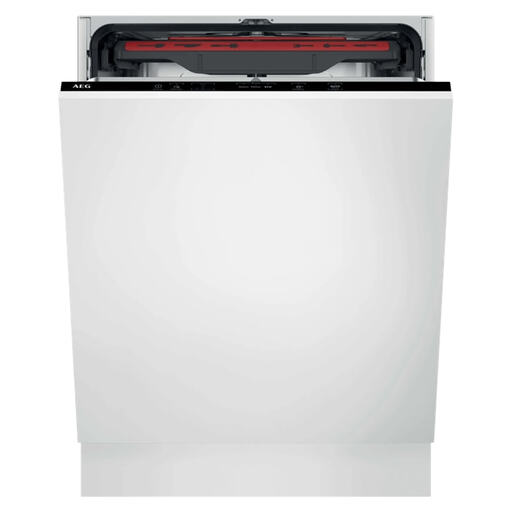 Image unavailable
Worth considering if your kitchen already has a housing for a fully integrated appliance. The product name lists a width of 60 cm and 14 place settings. Check compatibility using the exact installation diagram, then see whether the Eco cycle duration suits your household’s routine.
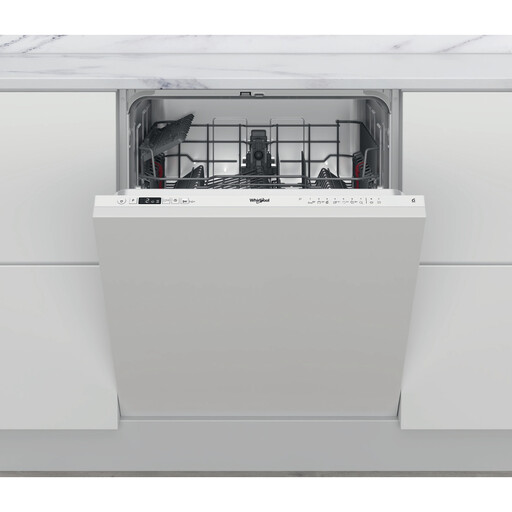 Image unavailable
Another model to consider if your kitchen has a compatible housing. The product name lists a width of 60 cm and 14 place settings. Compare the installation diagram with your housing, then check the label for consumption figures and Eco duration.
Compare capacity, kWh per 100 cycles, litres per cycle, Eco programme duration, and the noise level in dB together with its noise class. The European Commission lists these as information shown on the label; they don’t necessarily describe a quick or intensive programme.
Yes, if space means you need this size and it can hold your usual loads. UFC-Que Choisir suggests that 45 cm models with a capacity of 9 place settings may suit a small family, provided you’re happy to run them every day. In a shared household, check that there’s also room for dishes and pans.
It may be a solution if space is limited, but its capacity needs to match the amount of crockery your household uses. UFC-Que Choisir describes 6-place-setting countertop appliances for smaller homes. If several people cook regularly, work out what will fit in each load before choosing this format.
Yes. In France, the Ministry of the Economy says dishwashers must display a repairability index. Compare the index for the exact model and check the manufacturer’s information about spare parts, rather than assuming the same score applies to an entire range.