What should you check first?
Start with the amount of washing-up you need to tackle and the space available. A freestanding model doesn’t need a housing unit, while an integrated one must fit a kitchen designed for it. If you have small loads, also weigh up a compact model against continuing to wash by hand before comparing consumption figures.
| Criteria | What to check | Who it matters to |
|---|
| Usable capacity |
Place-setting capacity and space for dishes or pans between cycles. |
When washing-up from several meals piles up, I want to avoid having to wash larger items by hand. Around 36% of consumers would prioritise usable capacity above all else. |
| Installation |
Space and access dimensions; access to water, drainage and electricity. For an integrated model, check that the housing unit and door panel are compatible. |
In a kitchen with limited space, I need to know I can position and connect the appliance without discovering that extra work is needed. Around 29% of consumers would prioritise installation feasibility. |
| Consumption and noise |
On the energy label, check water per cycle, energy for 100 Eco cycles, Eco programme duration and noise emissions. |
If I run cycles frequently or my kitchen opens onto the living area, I want to know about consumption and noise before choosing. Around 21% of consumers would prioritise running costs and noise. |
| Compact size |
Space on the worktop or floor, the amount of washing-up per cycle and how often you wash. |
With little washing-up and limited space, I’d want to check that a small appliance can also fit the utensils I use. A small footprint for a small load would be the priority for around 14% of consumers. |
UFC-Que Choisir features compact models with a six-place-setting capacity that sit on a worktop, as well as 45 cm models with a nine-place-setting capacity. These formats don’t remove the need to check whether your dishes and pans will fit. When comparing consumption, the European Commission explains that energy label figures are based on the Eco programme, so they don’t necessarily reflect a quick cycle.
Dishwashers for everyday meals
These freestanding and integrated appliances are suited to everyday washing-up. Check their capacity and installation requirements against your kitchen; this selection alone won’t tell you whether a compact model or continuing to wash by hand is the right choice.
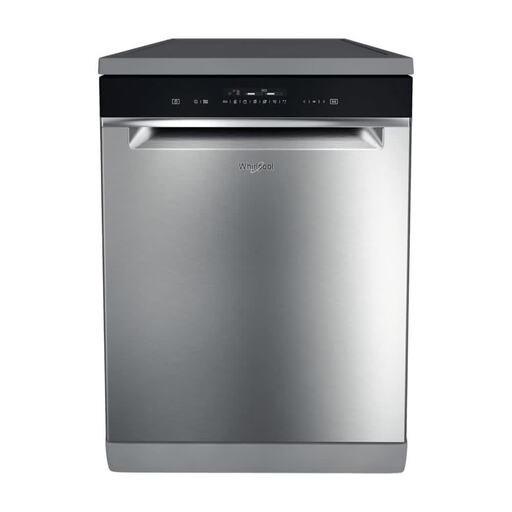 Image unavailable
Whirlpool WFP5O41PLGX freestanding, 14 place settings
Worth considering if several meals create a large load and a freestanding appliance suits your kitchen.
The title lists a 60 cm width and a C energy rating. Confirm the actual width before planning the space: another dimension listed for this model is 67.5 cm.
View on Joybuy
 Image unavailable
Indesit D2F HK26 S freestanding, 14 place settings
Its stated capacity may suit everyday washing-up if there’s room for a freestanding model in your kitchen.
The title lists a 60 cm width and an E energy rating. Check the energy label to compare consumption and Eco programme duration with other models.
View on Joybuy
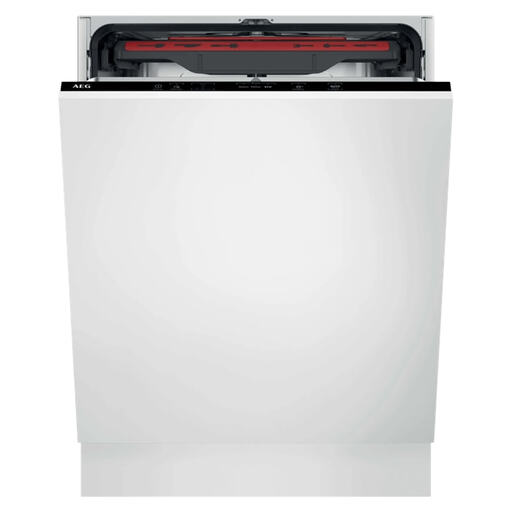 Image unavailable
AEG FSB34707Z integrated, 14 place settings
This fully integrated model is for a kitchen with a compatible housing unit and a household with a large load of washing-up.
The title lists a 60 cm width and a C energy rating, but another width listed for this model is 68 cm. Confirm the actual dimensions and installation requirements before choosing a housing unit.
View on Joybuy
 Image unavailable
Hotpoint H4FD641A freestanding, 14 place settings
Worth considering for regular loads if your kitchen can accommodate a freestanding appliance.
The title lists a 60 cm width, 41 dB and a C energy rating. Before assessing running costs, also compare consumption and Eco programme duration on the energy label.
View on Joybuy
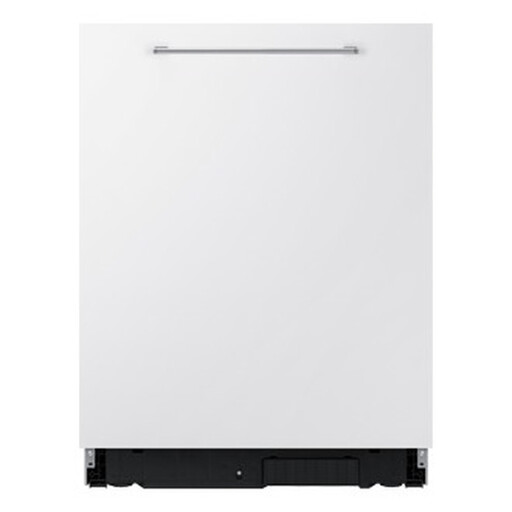 Image unavailable
Samsung DW70H72WCB0U1 integrated, 13 place settings
This model may suit everyday loads in a kitchen designed for an integrated dishwasher.
The title lists a 60 cm width and a C energy rating. Check the exact housing unit dimensions and compare water and energy use, as well as Eco programme duration, on the energy label.
View on Joybuy
Frequently asked questions
What should I compare on a dishwasher’s energy label?
Compare energy for 100 cycles, water per cycle, Eco programme duration, capacity and noise. The European Commission explains that the consumption figures shown are based on the Eco programme. For a fair comparison, look at appliances with a capacity suited to the same needs.
Which connections should I check before ordering?
Check the water supply, drain and electrical supply at the planned location, then consult the instructions for your chosen model. Also confirm the dimensions and what the installation service includes: Electrolux says its installers don’t carry out plumbing, electrical or carpentry work.
Should a small household choose a compact dishwasher?
Not necessarily: the amount of washing-up between cycles matters more than the number of people in your household. UFC-Que Choisir features compact models with a six-place-setting capacity and 45 cm models with a nine-place-setting capacity. Check which can fit your dishes and pans and suit how often you want to run a wash.
Can all dishwashers be connected to a hot water supply?
It depends on the model. Bosch says the appliance should be connected to either a hot or cold water supply in accordance with the instructions for the specific model. Check them before planning the connection.
Is the Eco programme the quickest?
Don’t assume so: check the Eco programme duration on the energy label and the duration of other programmes in the instructions. If you need your dishes back quickly, compare programme durations separately from the standardised Eco consumption figures.


