Which criteria should you compare?
Start by thinking about the washing-up you need to fit in one load, then check the available space and installation type. Finally, compare energy and water use, as well as the Eco programme duration, on the label for the model you’re considering. According to ADEME, consumption varies depending on the model and programme.
| Criterion |
What to check |
Who is it for? |
| Water per load |
Compare the litres per Eco cycle with the model’s capacity and whether you can regularly fill the dishwasher. |
I want to avoid running a cycle for just a few plates, while keeping an eye on water use when the dishwasher is full. Around 27% of consumers prioritise water use per sufficiently full load. |
| Capacity and baskets |
Check the stated number of place settings and the space available for your dishes, pans and utensils; take a look at how the baskets are arranged. |
When several meals also mean dirty cookware, I want to fit everything in without needing to plan a second cycle. Capacity and loading are the top priorities for around 27% of consumers. |
| Space and installation |
Measure the space and door clearance, then check the instructions for the installation type and required connections. |
In a narrow kitchen or one with a fitted recess, I need to know whether the dishwasher can actually be installed before choosing its capacity. Space and installation are the main concern for around 33% of consumers. |
| Duration and noise |
Check the Eco programme duration and the model’s noise level, particularly if your kitchen opens onto your living space. |
If the washing-up needs to be ready for the next meal, or the dishwasher will run near the living room, cycle time and noise come first. Around 13% of consumers make these their top priorities. |
Dishwashers for everyday meals
These built-in and freestanding models, both listed at 14 place settings, are suited to households that build up a large load of washing-up. To find the right format for your kitchen, compare capacity with the installation dimensions and Eco figures for the exact model.
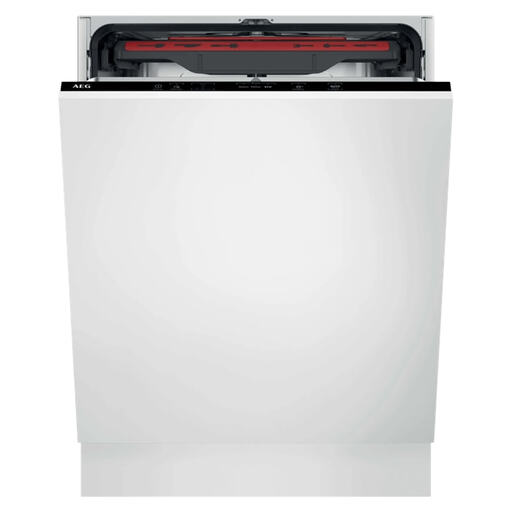 Image unavailable
AEG FSB34707Z fully integrated dishwasher, 14 place settings, C rated
Worth considering if you build up a large load and have a recess for a fully integrated appliance.
The available product information gives different widths for this model. Before buying, confirm the appliance dimensions, door panel and connections in the instructions.
View on Joybuy
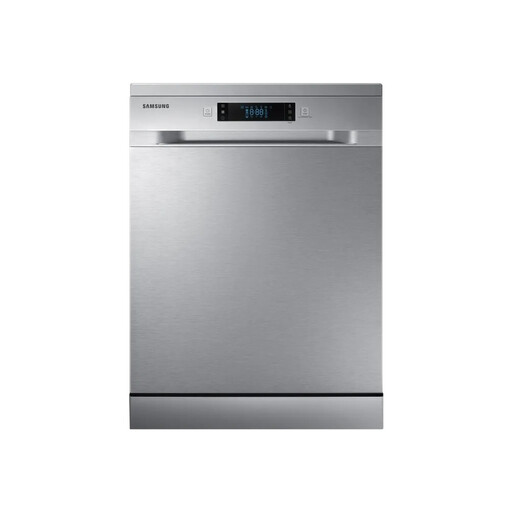 Image unavailable
Samsung DW60M6050FS freestanding dishwasher, 14 place settings, grey
An option for washing up after meals without a built-in unit, provided the space and connections are suitable.
The energy label for the exact model will help you check the Eco programme duration before deciding when to run it.
View on Joybuy
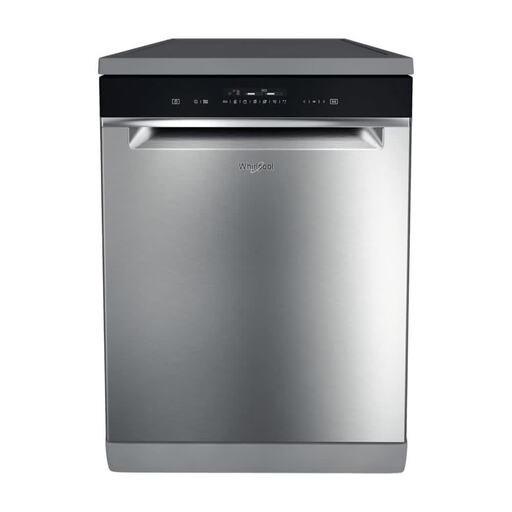 Image unavailable
Whirlpool WFP5O41PLGX freestanding dishwasher, 14 place settings, C rated
Worth a look if you want to build up a large load between cycles and have space for a freestanding appliance.
Different widths are listed for this model. Check its exact dimensions and door clearance, and look at the Eco programme duration on its energy label too.
View on Joybuy
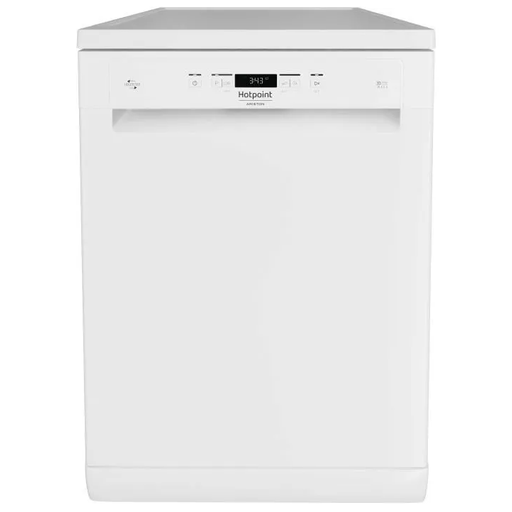 Image unavailable
Hotpoint H4FD641A freestanding dishwasher, 60 cm, 14 place settings, C rated
Worth considering if you regularly build up a load of washing-up and can fit a freestanding appliance of this width in your kitchen.
Stated noise level: 41 dB. To compare water and energy use on a like-for-like basis, check the Eco programme figures on the energy label for the exact model.
View on Joybuy
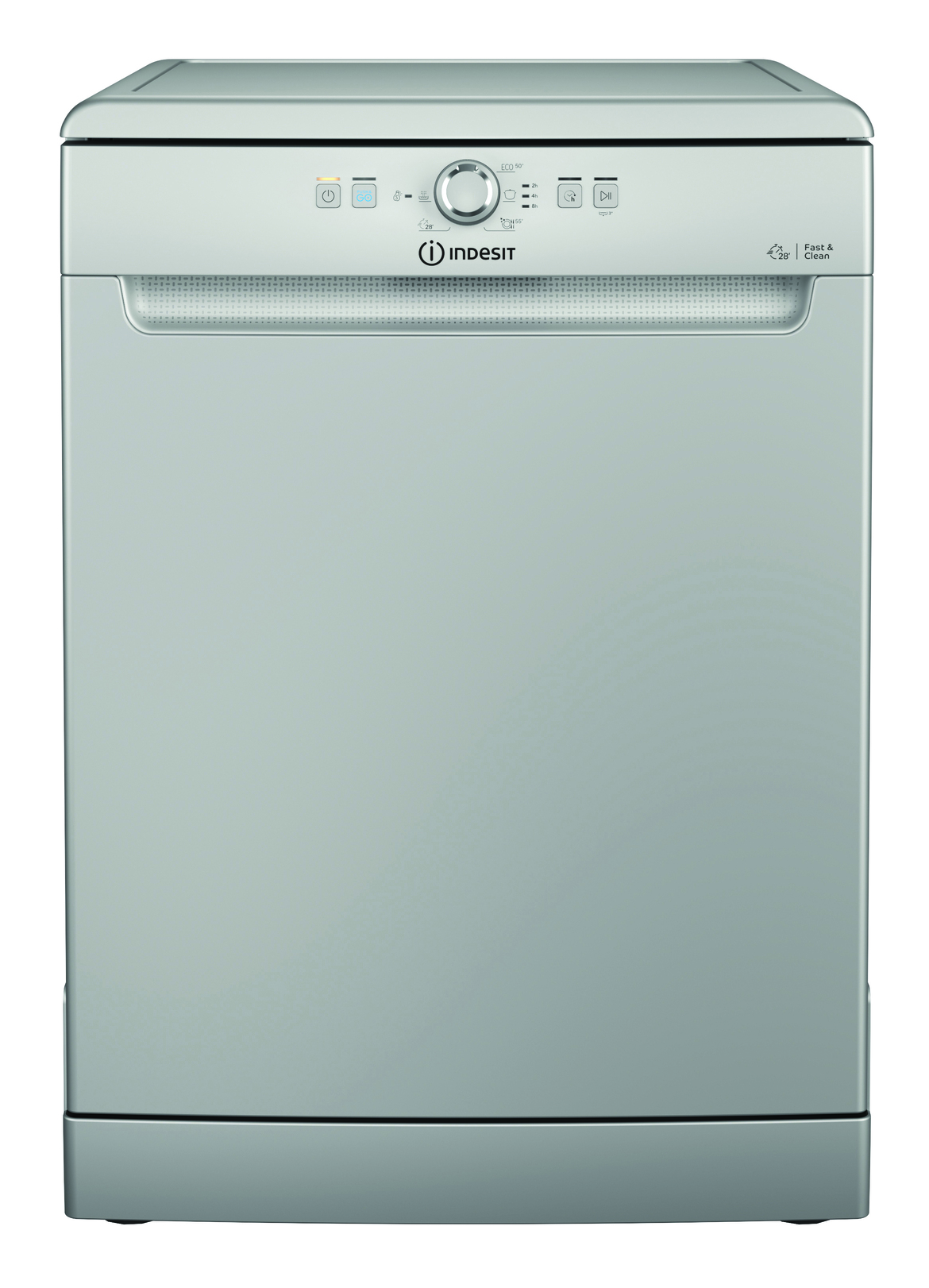 Image unavailable
Indesit D2F HK26 S freestanding dishwasher, 60 cm, 14 place settings, E rated
An option for meals that generate a large load, as long as you have space in your kitchen for this freestanding format.
Before comparing it with other appliances, check the energy label for the exact model to see the Eco programme’s water use, kWh per 100 cycles and duration.
View on Joybuy
Frequently asked questions
Should a small household choose a compact dishwasher?
Not necessarily: the number of people in your household alone doesn’t determine the capacity you need. Think about how often you cook at home, the dishes and pans you need to load, and how long you can wait for the dishwasher to fill up. The 6, 10 and 14 place settings listed by Electrolux and Beko for the models featured here show different options, not a rule for every format.
Is the Eco programme always quick?
No. As Bosch points out, the Eco programme can take longer than other cycles. Check its duration on the label for the model you choose and plan to run it at a time that works with when you’ll next need the dishes.
What should you check before buying a built-in or freestanding dishwasher?
Measure the space and check the installation type, dimensions, door opening and connections specified in the model’s instructions. For a fully integrated model, also check the required recess and door panel. Don’t assume that your existing water supply, waste outlet or electrical connection will be suitable for the appliance.
Can the repairability index help you compare water use?
No. The repairability index indicates how easy or difficult a product is to repair, not how much water it uses per cycle. The Ministry of the Economy says it is mandatory for dishwashers in France. To compare water use, check the litres per Eco cycle separately on the energy labels for the models you’re considering.


