Households with lots of washing-up
You’re looking for a capacity that suits regular washing without having to run multiple cycles. How full you can load the dishwasher and its overall consumption matter more than the figure for a single cycle.


Choose a capacity you can fill at a suitable frequency, then compare the kWh per 100 eco cycles, litres per cycle, cycle duration and noise level shown on the label. A smaller model does not automatically use less energy overall if it means running more cycles. If your current appliance is working and suits the amount of washing-up you produce, ADEME advises running it full and without pre-rinsing before considering a replacement.
You’re looking for a capacity that suits regular washing without having to run multiple cycles. How full you can load the dishwasher and its overall consumption matter more than the figure for a single cycle.
You want a capacity you can realistically fill, and you’d like to compare consumption with the duration of the eco programme.
Your appliance is still working or might be repairable. You want to know whether changing how you use it or getting a fault diagnosed is a better option than buying a replacement straight away.
Worth considering: if the amount of washing-up you usually produce lets you fill this capacity, and a smaller model would mean running more cycles.
Keep in mind: a larger capacity does not automatically reduce consumption if the dishwasher is only partly loaded. ADEME and the European Commission provide consumption benchmarks for reference programmes; your actual use also depends on how many cycles you run.
Worth considering: if a smaller capacity better suits the amount of washing-up you can collect before each wash.
Keep in mind: lower consumption per cycle does not necessarily mean lower overall consumption if you end up running more cycles.
Worth considering: if the appliance is working and its capacity still suits your needs. ADEME recommends running it full and not pre-rinsing the dishes.
Keep in mind: without knowing its condition, consumption and potential repair costs, you can’t conclude that keeping it will always be the cheaper option.
To compare appliances, work out the reference consumption for the number of cycles you expect to run. The European energy label shows the kWh per 100 eco cycles, litres per eco cycle, cycle duration, capacity and noise level.
| What matters | What to check | Who it matters most to |
|---|---|---|
| Capacity and number of cycles | Compare the capacity in place settings with the amount of washing-up you usually produce and the number of cycles you expect to run. | If washing-up tends to pile up, you’ll want a capacity that avoids running several cycles; around 31% of consumers prioritise limiting the number of cycles. |
| Water and electricity use | Check the litres per eco cycle and kWh per 100 eco cycles, then relate these figures to the number of cycles you expect to run. | If you want to keep track of consumption as you wash, compare the reference figures against a realistic usage pattern; around 31% of consumers prioritise keeping water and electricity use under control. |
| Eco cycle duration and noise | Check the stated cycle duration and noise level in dB, based on when you plan to use the appliance. | If a long cycle or noise would disrupt your day-to-day routine, look for an appliance whose stated figures suit your lifestyle; around 19% of consumers put this compatibility first. |
| Replacing your appliance | Check how well it is loaded and maintained. If it develops a fault, ask for a diagnosis before deciding what to do. | If your dishwasher is still working, you’ll want to avoid replacing it in a hurry and assess the alternatives; around 19% of consumers prioritise this approach. |
The figure shown relates to a reference cycle. Overall consumption also depends on how many cycles your household runs.
Compare the capacity, how full you can load the dishwasher and the number of cycles you’re likely to run over the same period.
The consumption figures on the label relate to the eco programme. If you mainly use another programme, these figures may be less relevant to your habits.
Check how long the eco programme takes and consider whether you’ll actually use it.
Clogged filters or spray arms can affect cleaning performance. Electrolux recommends checking and cleaning them when needed.
Follow the manual for maintenance. If the appliance has a fault or continues to deliver poor results, get it checked before making a decision.
This selection covers 60 cm models listed as holding 13 or 14 place settings. Compare the capacity with the amount of washing-up you usually produce, and check the reference consumption figures on each model’s product page.
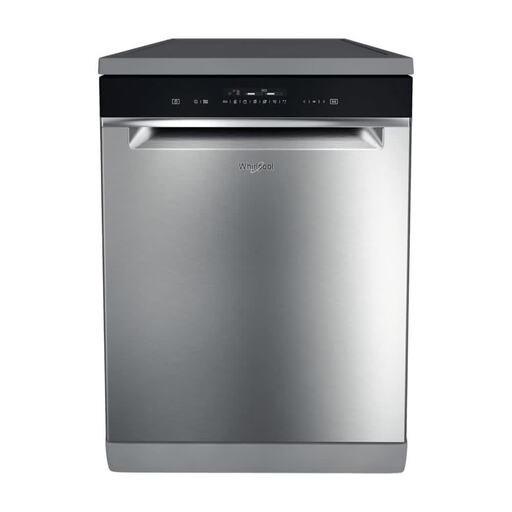 Image unavailable
Worth comparing if you can regularly make use of a capacity of 14 place settings.
Freestanding, 60 cm, stainless steel, energy efficiency class C.
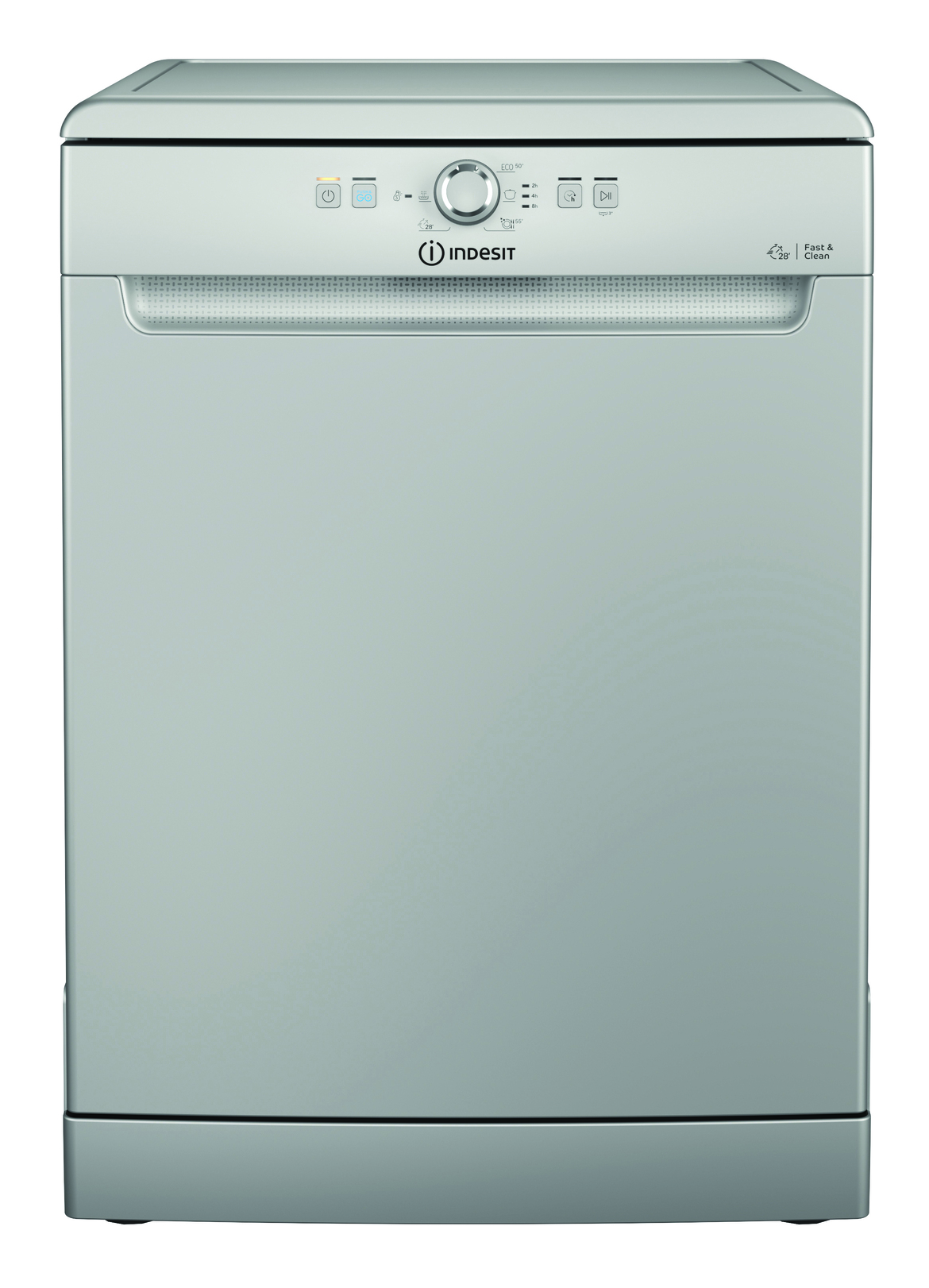 Image unavailable
Worth comparing if your household can regularly fill a capacity of 14 place settings.
Freestanding, 60 cm, grey, energy efficiency class E.
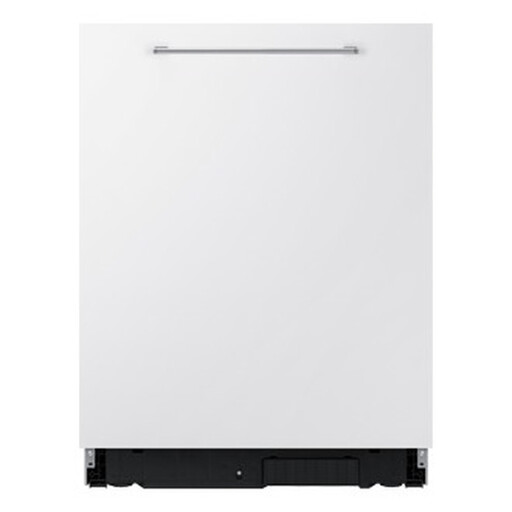 Image unavailable
Worth comparing if a stated capacity of 13 place settings suits the amount of washing-up you produce.
Built-in, 60 cm, energy efficiency class C. The product page specifies installation by a qualified professional.
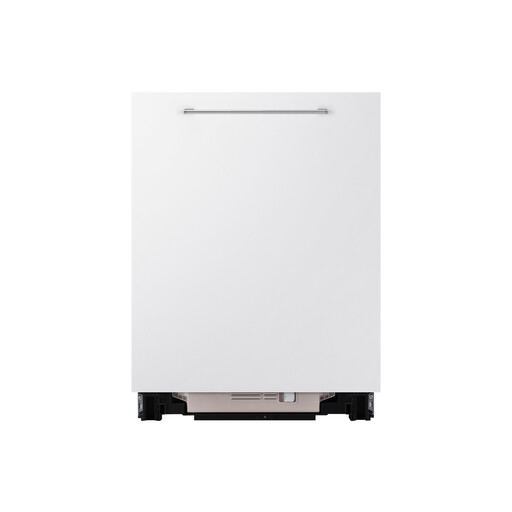 Image unavailable
Worth comparing if a stated capacity of 13 place settings suits your regular loads.
Built-in, 60 cm, energy efficiency class B. The product page specifies installation by a qualified professional.
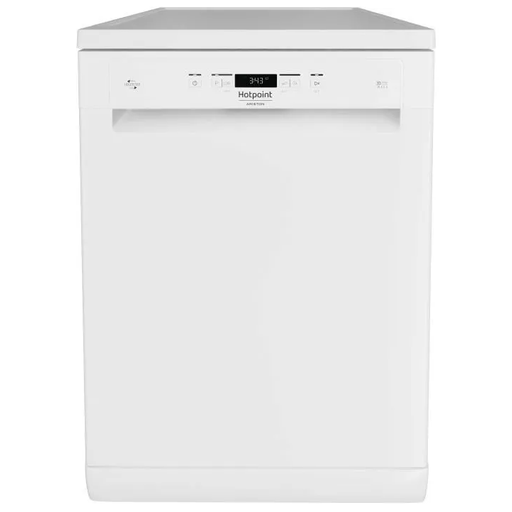 Image unavailable
Worth comparing if you can regularly fill a capacity of 14 place settings and want to take the stated noise level into account.
Freestanding, 60 cm, 41 dB, energy efficiency class C, white.
First compare the capacities in place settings and how many cycles each model would mean for your household. The European energy label shows the kWh per 100 eco cycles, litres per eco cycle, cycle duration and noise level. For a useful comparison, work out the consumption for the same number of cycles or the same period, but bear in mind that these reference figures are not a measure of your own usage.
Check the manual for the chosen model’s installation, connection and safety instructions. Bosch gives these recommendations for its own appliances; always follow the manual for the model you buy.
Check the manual and inspect the filters and spray arms. Electrolux says that dirt or blockages can affect cleaning performance. Check these parts or arrange a diagnosis before deciding that the appliance needs replacing.
When you buy from a professional seller, the legal guarantee of conformity applies under its terms. According to the DGCCRF, claims must be made within two years of the goods being delivered, whether they are new or second-hand. For an eligible dishwasher that is no longer covered by a guarantee or insurance, ADEME lists a €50 Repair Bonus for repairs carried out by an accredited professional in line with the scheme’s conditions. Check eligibility before estimating the cost you’ll need to pay.
No. The European energy label provides information including the dishwasher’s energy efficiency class and reference consumption. In France, the repairability index for applicable dishwashers indicates how easy or difficult they are to repair; it does not replace information about water and electricity use.