Households that regularly cook and eat at home
To avoid running cycles too frequently, check the place-setting capacity, basket layout and available space, then compare the water and energy consumption and Eco cycle duration shown on the label.


Start by choosing a format that suits your kitchen: freestanding if you want a standalone appliance, integrated if the housing unit and door panel are suitable, or compact if saving space and handling smaller loads matter more than capacity. Then compare the exact model’s energy label, paying particular attention to capacity, water and energy consumption, Eco cycle duration and noise level.
To avoid running cycles too frequently, check the place-setting capacity, basket layout and available space, then compare the water and energy consumption and Eco cycle duration shown on the label.
If a cycle could disturb mealtimes, evenings or quiet hours, compare the stated noise level in dB and the noise class rather than relying on a simple descriptive term.
First confirm the available space and installation type. A 45 cm or compact model can free up room, but may reduce usable capacity; an integrated model also requires you to check the housing unit and door panel.
Consider this when: your kitchen has no door panel to conceal the appliance and a standalone format suits your space.
Check: overall dimensions, positioning, door clearance and connections; consumption and noise levels vary by model.
Consider this when: you already have a compatible unit or housing space and want the appliance to blend into your kitchen furniture.
Check: width, height, depth, door panel and connections. Bosch notably lists versions measuring 81 cm and 86 cm, depending on the worktop.
Consider this when: limited worktop space or a very small kitchen calls for a compact appliance and your loads are modest.
Check: capacity, connections and how frequently you are likely to run cycles. The Candy CP 6E51LS cited by Candy is a tabletop model with 6 place settings.
ADEME states that the energy label brings together the key information needed to compare capacity, water and energy consumption, Eco cycle duration and noise.
| Priority | What to check | Your needs |
|---|---|---|
| Usable capacity | Compare the number of place settings, baskets, folding tines and the space available for dishes, saucepans and large glasses. | I want to avoid having to run a cycle again too soon after meals. The place-setting capacity should match the amount of crockery actually produced between washes. |
| Noise | Read the noise level in dB and the noise class on the label. Compare models using the same measurement. | In an open-plan living space, I want to be able to start a cycle without excessively disturbing conversation or relaxation. UFC-Que Choisir points out that a 3 dB difference corresponds to a doubling of sound intensity. |
| Water, energy and duration | Compare kWh per 100 cycles, litres per cycle, Eco cycle duration and the programme you will use most often. | I want to balance resource consumption with the way meals are organised. Label values do not automatically describe a quick or intensive cycle. |
| Installation | Measure the width, height and depth; check the water inlet, electrical supply, waste outlet, installation type and door-panel compatibility. | I want the appliance to fit into my existing kitchen without any compatibility issues involving the housing unit or connections. |
A standardised capacity does not guarantee that the baskets will accommodate your dishes, saucepans, large glasses and utensils. A 6-place-setting compact model and a standard dishwasher are not designed for the same usage pattern.
Make a note of a typical load after a full day or main meal, then check the baskets, any height adjustment and the capacity of the exact model.
A smaller footprint may come with reduced capacity and more frequent cycles. Candy describes the CP 6E51LS as a tabletop appliance with 6 place settings.
Choose this format when space and smaller loads are genuinely your priorities; also measure whether a 45 cm or 60 cm model could be installed.
The label brings together several separate pieces of information: energy, water, Eco cycle duration, capacity and noise. One figure alone is not enough to determine whether the appliance suits your routine.
Compare all the label indicators, then look at the programme you will use most often. According to ADEME, the reference programme is often the Eco programme.
A standard appliance requires a water inlet, electrical supply and waste outlet. Integrated models are available in several widths, heights and configurations.
Measure the space, identify the required door-panel type and read the model manual before ordering or arranging installation.
A French range including freestanding, integrated and compact dishwashers, with 45 cm and 60 cm options to compare depending on your kitchen.
Worth considering when a household wants a slim 45 cm dishwasher without limiting itself to a tabletop appliance.
An option to consider for a small kitchen requiring a compact freestanding dishwasher or a slim format.
These Joybuy options cover freestanding and integrated dishwashers designed for a household’s everyday washing-up.
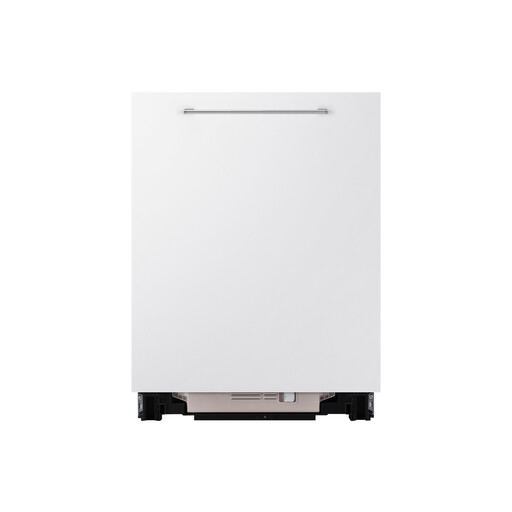 Image unavailable
Worth considering for a kitchen with a compatible housing unit and a variety of everyday loads.
13 place settings, three-level baskets, folding tines, dedicated supports and automatic door opening.
Stated housing-unit dimensions: at least 820–900 × 600 × 555 mm. Check the door panel, connections and energy label for the exact model.
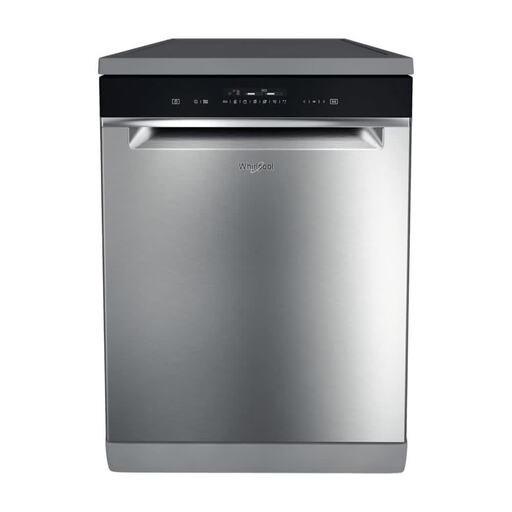 Image unavailable
This freestanding format suits a household with the necessary space and connections.
14 place settings, 41 dB(A), 9.5 L per Eco cycle, 75 kWh per 100 cycles, third drawer and adjustable basket.
Check the Eco cycle duration, available space and the clearance required for the door to open.
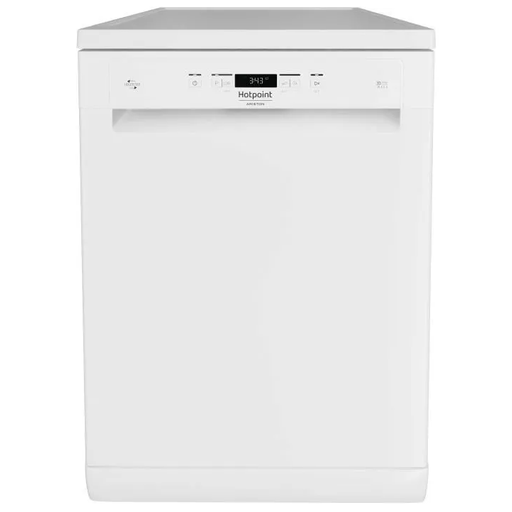 Image unavailable
Worth considering for family-sized meal loads in a kitchen that can accommodate a 60 cm appliance.
14 place settings, 41 dB, approximately 9.5 L of water per Eco cycle, third drawer, adjustable basket and automatic door opening.
Stated dimensions: 600 × 590 × 850 mm. Check the energy label, Eco duration, clearance beneath the worktop and connections.
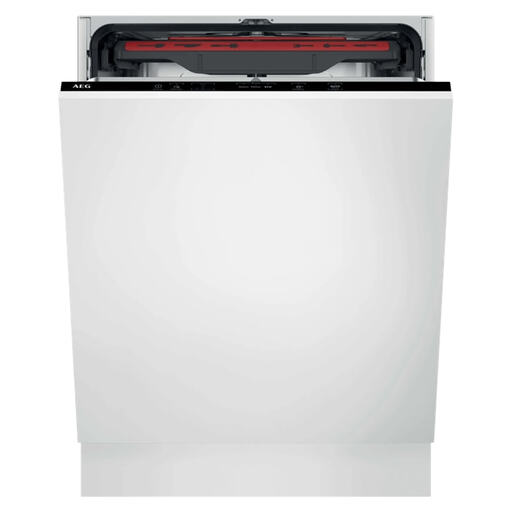 Image unavailable
This option is designed for households looking for full integration into their kitchen furniture.
14 place settings, 44 dB, 10.5 L and 0.75 kWh per Eco cycle, 240-minute Eco cycle, cutlery drawer and automatic door opening.
Check the housing-unit dimensions, door panel and sliding-hinge requirements before buying.
 Image unavailable
Worth considering for regular meals that call for flexibility when washing utensils and a variety of crockery.
14 place settings, 44 dB, noise class B, 95 kWh per 100 cycles, 10.5 L per cycle, third basket, adjustable basket and folding tines.
Stated dimensions: 59.8 × 60.0 × 84.5 cm. Check the Eco programme duration, connections and door clearance.
Compare the energy class, kWh per 100 cycles, place-setting capacity, water per cycle, Eco cycle duration, noise level in dB and noise class. According to ADEME, this information allows you to compare models on a standardised basis, without automatically describing a quick or intensive programme.
It can be suitable if space or smaller loads are the priority, but you need to compare its capacity with the actual volume of crockery. The Candy CP 6E51LS cited by Candy offers 6 place settings: check that the baskets and capacity will prevent you from having to run cycles too frequently.
Measure the housing unit and check the width, height, depth, integration type, door panel and connections. The Bosch ranges mentioned are available in 45 cm and 60 cm widths with different heights, so consult the exact model specification rather than relying solely on the term ‘integrated’.
A water inlet, electrical supply and waste outlet are required. Consult the manual for your chosen reference and arrange professional installation if the connections, fixing or integration are not fully understood.
No: compare the noise level in dB and the noise class shown on the label instead. UFC-Que Choisir points out that noise tolerance is subjective and that the label does not necessarily specify which programme was used for the noise assessment.