What to look for
Start with the dimensions and usable space in the racks, then check the installation requirements and compare noise levels and consumption on a like-for-like basis.
| Criteria |
What to check |
Who it matters most to |
| Capacity after meals |
Compare the stated number of place settings with the rack size and the space available for serving dishes and utensils. |
If meals often leave me with plates, serving dishes and saucepans to wash, I first check that they’ll fit in the racks. Around 33 % of consumers prioritise usable capacity after meals. |
| Positioning and installation |
Measure the width, height, depth and door clearance; check the space, cabinet front and connections required for the model. |
When space is limited or the cabinet front needs to match the kitchen, I check the measurements and installation requirements before choosing an appliance. Around 27 % of consumers prioritise positioning and installation. |
| Noise while running |
Check the noise emissions stated for the exact model and compare any tests carried out under specified conditions. |
In an open-plan kitchen, I want to be able to take the noise into account while people are using the living area. Around 20 % of consumers make quiet operation their priority. |
| Water, energy and running costs |
Compare kWh per 100 Eco cycles, litres per Eco cycle, capacity and programme duration; check other programmes separately. |
If I run the appliance regularly, I look at its stated consumption and any installation or maintenance costs to factor in. Around 20 % of consumers prioritise running costs. |
The percentages reflect the priorities associated with these choice scenarios; they are not a measure of market share. The European energy label provides information including electricity consumption per 100 Eco cycles, water consumption per Eco cycle, programme duration, capacity and noise levels.
Joybuy products to suit these needs
This selection includes 60 cm freestanding dishwashers and a 60 cm built-in model, with stated capacities of 13 or 14 place settings.
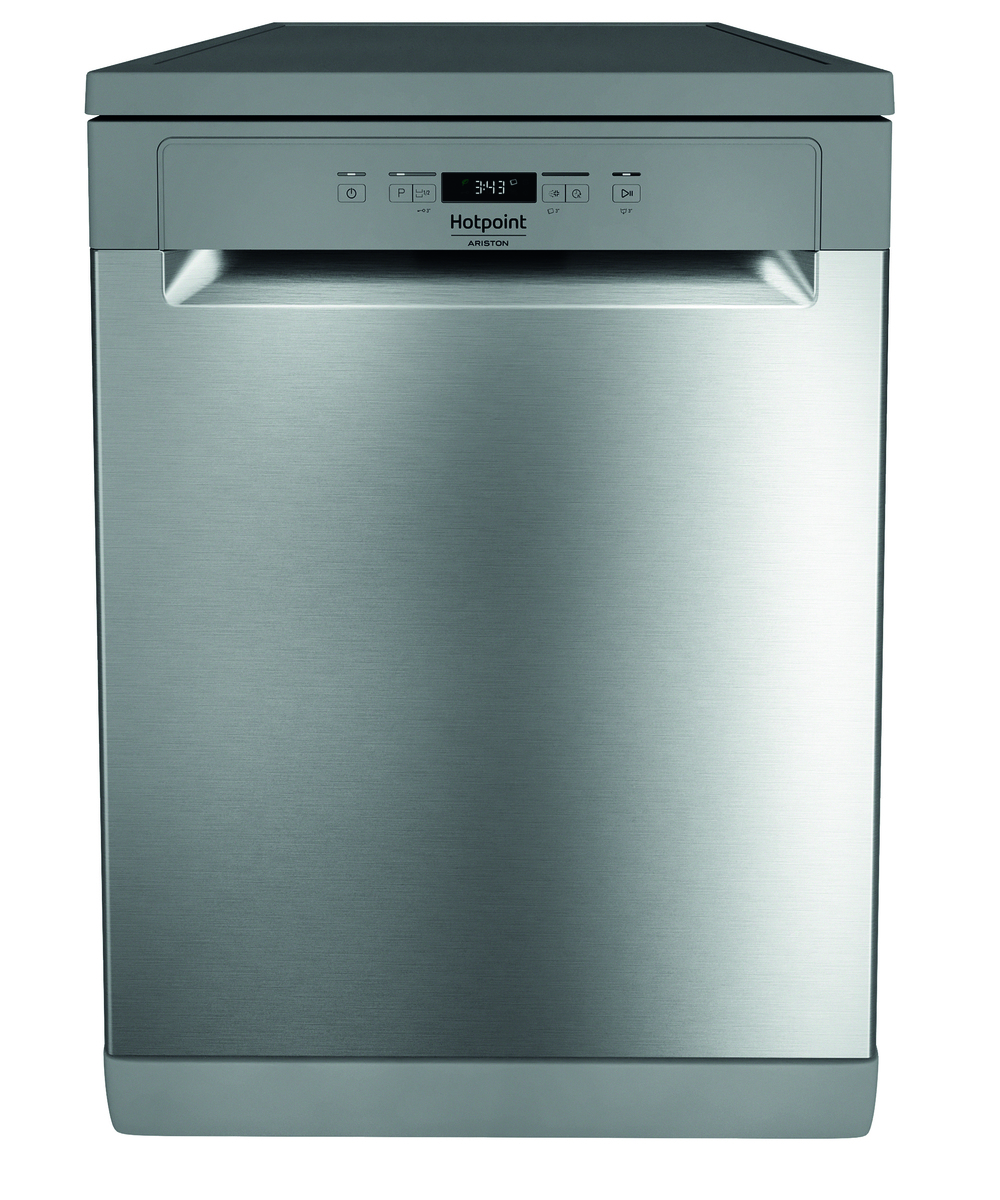 Image unavailable
Hotpoint H3FFD636X, freestanding dishwasher
For regular loads in a kitchen without a cabinet front to match, this freestanding model has a stated capacity of 14 place settings.
Width: 60 cm. Energy class: D.
View on Joybuy
 Image unavailable
Whirlpool WFP5O41PLGX, freestanding dishwasher
For a kitchen without an integrated cabinet front, this freestanding model has a stated capacity of 14 place settings.
Width: 60 cm. Energy class: C.
View on Joybuy
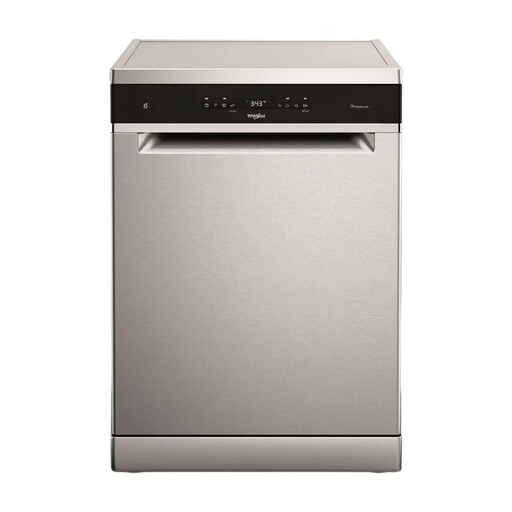 Image unavailable
Whirlpool WH6FC14BN70X, freestanding dishwasher
For regular loads in a kitchen without an integrated cabinet front, this freestanding model has a stated capacity of 14 place settings.
Width: 60 cm. Energy class: C.
View on Joybuy
 Image unavailable
Indesit D2F HK26 S, freestanding dishwasher
For a kitchen where a freestanding model is a good fit, this dishwasher has a stated capacity of 14 place settings.
Width: 60 cm. Energy class: E.
View on Joybuy
 Image unavailable
Samsung DW70H72WCB0U1, built-in dishwasher
For a fitted kitchen with a compatible space, this built-in model has a stated capacity of 13 place settings.
Width: 60 cm. Energy class: C.
The product details specify a fixed hinge and recommend professional installation; check that the space and door are compatible before choosing.
View on Joybuy
Frequently asked questions
How do you compare the energy consumption of two dishwashers ?
Compare the figures on the European energy labels on a like-for-like basis: electricity per 100 Eco cycles, water per Eco cycle, capacity and programme duration. These figures don’t automatically describe quick or intensive programmes.
Can a compact dishwasher with a water tank run without installation ?
No. For Bob, Daan Tech describes filling the tank without a fixed water supply, but the model still needs an electricity supply and a hose to drain the water. Check the instructions and rating plate for the version you choose before connecting it.
How can you reduce water use after meals ?
ADEME recommends not pre-rinsing dishes and waiting until the dishwasher is full before starting a cycle. Check the stated consumption of the programme you plan to use separately.
What protection applies in France if a new dishwasher bought from a business has a conformity defect ?
The French Ministry for the Economy and Finance states that the legal guarantee of conformity is claimed from the professional seller for two years; it is separate from a commercial or manufacturer’s warranty. It may also cover incorrect installation if the seller was responsible for it under the contract.
What regulatory information should you check on a French listing ?
For a new household dishwasher covered by the rules, an energy label is compulsory, including for online sales, according to the French Ministry for the Economy and Finance. In France, dishwashers are also among the product categories covered by the repairability index; this is separate from the durability index introduced for televisions and washing machines.


