
Livraison le jour même ou le lendemain

Qualité garantie

Débloquez vos offres de bienvenue: Livraison GRATUITE | Jusqu'à -80 % | 30 jours d'essai gratuits à JoyPlus
Téléchargez l'application
A dishwasher can make everyday life considerably easier. But choosing the right model is essential: an appliance that is too large for the kitchen, poorly arranged baskets or higher-than-expected consumption can quickly turn a bargain into an unpleasant surprise. The displayed price alone is therefore not enough to distinguish between models.
Before placing your order, three mistakes are particularly common:
The 60 cm dishwasher is aimed at families and households that quickly build up a large amount of washing-up. Models with 14 place settings generally provide enough room for plates, saucepans and utensils, but they require a sufficiently spacious alcove or installation area.
A freestanding dishwasher is the easiest type to install in an existing kitchen. Some models have a removable worktop, allowing them to slide beneath a work surface. Even so, check the exact dimensions: height, depth and the door-opening angle can vary from one manufacturer to another.
An integrated dishwasher is concealed behind a door panel that matches the kitchen units. It is mainly suitable for homes that already have a compatible installation. Measure the alcove carefully, check where the water connections are located and allow enough access for maintenance.
In a studio flat, student accommodation or small kitchen, a compact dishwasher, mini dishwasher or countertop dishwasher may be a more realistic solution. However, you will need to accept a smaller capacity and empty the appliance more often.
The number of place settings is a useful starting point, but the interior layout matters just as much. A third cutlery drawer frees up space in the lower basket, while an adjustable upper basket makes it easier to accommodate tall glasses and large plates.
A 14-place-setting dishwasher may suit a family, a couple who cook frequently or a household that prefers to run fewer cycles. For one person, a model with 3 to 6 place settings takes up less space, provided you are happy with its more limited capacity.
The European energy rating, from A to G, should be considered alongside the information shown on the label: electricity consumption per 100 cycles, water used per cycle, the duration of the Eco programme and the number of place settings.
A class C dishwasher can be a good compromise when consumption is a priority. Class D or E models can also make sense on a tighter budget, especially if their purchase price is lower and the appliance is only used occasionally. The term economical dishwasher should therefore be assessed in terms of total running costs, rather than treated as an absolute promise.
For everyday comfort, check the noise level in decibels. A quiet dishwasher is often around 41 to 46 dB among the models featured here. In an open-plan room, the delay-start function can also let you run a cycle at a less disruptive time.
Finally, take the time to compare the programmes you will genuinely use: Eco, quick, intensive, automatic, half-load or delay start. Connected features and automatic drying can make the appliance more convenient, but they can never compensate for a model that is the wrong size for your needs.
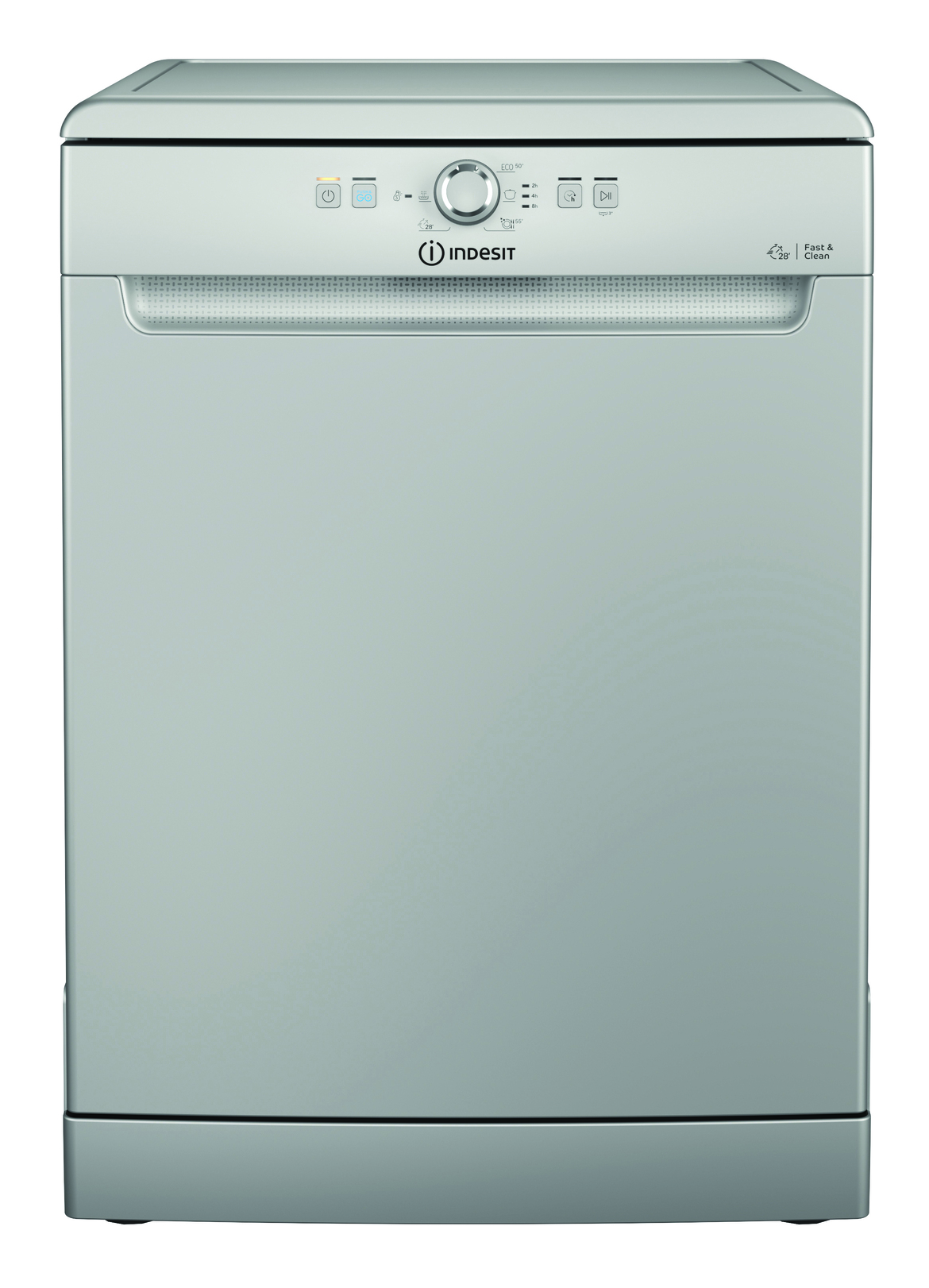
Why this model is a good fit : This freestanding dishwasher combines a 14-place-setting capacity with six programmes, a 1- to 8-hour delay-start function and an adjustable upper basket.
Its standard 60 cm width and removable worktop make it easier to check compatibility with the intended space before ordering.
Advertised noise level of 46 dB, water consumption of 9.5 L per cycle and overflow protection.
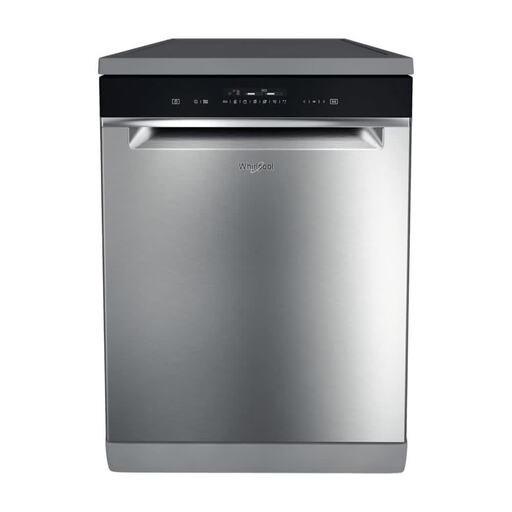
Why this model is a good fit : It offers 11 programmes, a 14-place-setting capacity and several practical functions for regular use.
The product information clearly distinguishes between noise, water consumption and electricity used: 41 dB(A), 9.5 L and 0.748 kWh on the Eco programme.
Third cutlery drawer, adjustable upper basket, half-load function, Wi-Fi and AquaStop protection as stated in the product information.
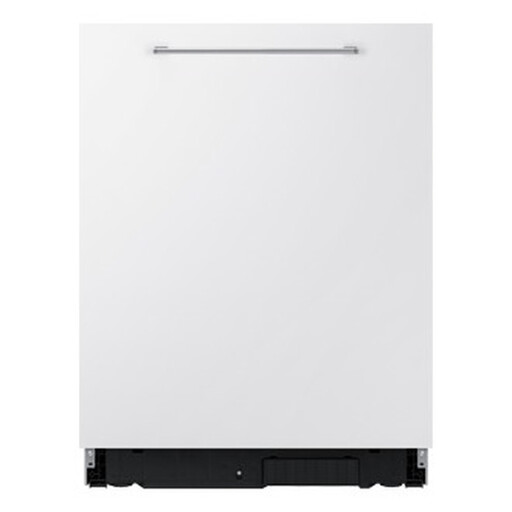
Why this model is a good fit : Its integrated design, 13 place settings and adjustable baskets make it suitable for a fitted kitchen that is used frequently.
The product information specifies the installation type, the presence of a sliding hinge and the need for installation by a qualified professional.
Class C, advertised noise level of 44 dB(A), automatic opening at the end of the cycle and downloadable programmes via Wi-Fi.
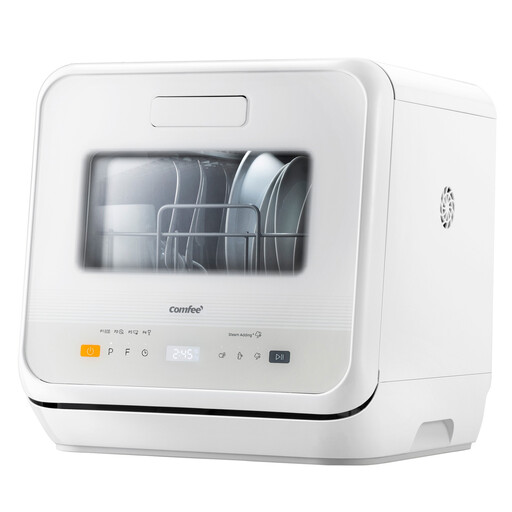
Why this model is a good fit : Its integrated 5 L water tank can be filled manually, making it a practical solution for rented homes or rooms without a dedicated water connection.
The dual water-supply option, using either the tank or a tap connection, means you do not have to assume that plumbing alterations are necessary.
Compact dimensions of 420 × 435 × 435 mm, class D energy rating, six programmes and three additional advertised functions.
We have brought together a complete, real-time selection of products that meet these demanding criteria and European safety standards.
Before switching the appliance on for the first time, check that it is stable, that the water inlet and drainage hoses are properly connected and that the electrical socket is earthed. If the instructions advise against it, do not use a multi-plug adaptor or extension lead.
Fill the salt reservoir and rinse-aid dispenser according to the hardness of the water in your area. Only use products designed for dishwashers: standard washing-up liquid creates excessive foam and may cause an overflow.
To maintain good performance:
Yes, when no permanent connection is available. However, you will need to arrange a safe way of draining wastewater, provide a stable surface and leave enough space around the appliance.
Its lifespan depends on how often it is used, maintenance, the quality of the installation and whether the manufacturer’s instructions are followed. Cleaning the filter, using the correct salt and avoiding overloading the baskets all help to reduce premature wear.
Noise level and consumption are two separate criteria. A model rated at 41 dB is not necessarily more economical than a noisier appliance. Compare the decibel level, the amount of water used per cycle and the electricity consumption shown on the energy label separately.