Well-organised everyday washing
You want a capacity and programmes suited to your everyday dishes, while keeping an eye on water and electricity use. The European Commission says the energy label shows consumption for the eco programme.


First, choose a dishwasher that fits the available space and connections, then check that its capacity suits the dishes you usually wash. Next, compare its eco programme consumption, duration and noise level. Don’t confuse the energy rating with washing performance, or assume that an installation service includes plumbing or carpentry work.
You want a capacity and programmes suited to your everyday dishes, while keeping an eye on water and electricity use. The European Commission says the energy label shows consumption for the eco programme.
You need the new appliance to fit the existing space and may want to keep a matching cabinet door. Check the dimensions and what the installation service covers before considering extra features.
You’re considering a compact model and want to know whether a tank can replace a water inlet. For Bob, Daan Tech says a waste outlet is still needed, even when you fill the tank manually.
Consider it if: you have a suitable space with access to the required connections and don’t need the dishwasher to match your kitchen units.
Check: the appliance will be on show, so its dimensions, door clearance and hose routing must all suit your kitchen.
Consider it if: your kitchen has a designated space for the appliance and a seamless look matters to you.
Check: the dimensions, fixings and compatible cabinet door. The Electrolux service described in its guide excludes some carpentry, plumbing and electrical work.
Consider it if: space is limited or you regularly wash smaller loads.
Check: the usable capacity, space for larger items and waste outlet. A manual-fill tank doesn’t remove the need to drain the water.
Start by checking the installation requirements and the amount of washing-up you need to fit in, then compare cycles, consumption and noise levels for the way you use your dishwasher.
| What matters | What to check | Who is most concerned? |
|---|---|---|
| Fitting the dishwasher in your kitchen | Compare the usable space, door clearance and connections with the instructions for the exact model. Check what the installation service includes. | I want to avoid any surprises with the space, connections or cabinet door. Around 20% of consumers prioritise installation. |
| Usable capacity | Think about the dishes you usually wash and any bulky items. The European Commission says the energy label shows capacity; compare this with the basket layout. | If I wash saucepans or large dishes, the place-setting count alone won’t tell me whether they’ll fit. Around 20% of consumers prioritise usable capacity. |
| Washing performance and programmes | Check how long the eco programme takes and which cycles you’ll use. Que Choisir Ensemble treats washing and drying performance separately from the features listed by the manufacturer. | I want cycles that suit my routine and washing results that meet my needs. Around 20% of consumers put performance and programmes first. |
| Water and electricity use | For a like-for-like comparison, check the energy use per 100 eco cycles and the water used per cycle for models with similar capacities. The label figures relate to the eco programme; actual use also depends on how the appliance is used. | I want to compare consumption on a consistent basis before choosing. Around 20% of consumers put water and electricity use first. |
| Noise and maintenance | Compare the stated noise level and check the repairability index and maintenance information. The index indicates how repairable an appliance is, not how long it will last. | In an open-plan kitchen, noise could influence my choice; I also want to know how to maintain the appliance. Around 20% of consumers prioritise comfort and maintenance. |
A connection service won’t necessarily cover plumbing, electrical or carpentry alterations. The Electrolux guide specifies that this work isn’t included in the service it describes.
Ask for a written breakdown of what’s included and measure the space before you order.
For Bob, manual filling replaces the water inlet, but not the waste outlet, according to Daan Tech’s connection guide.
Check the route and positioning of the drain hose, as well as the accessories supplied with your chosen version.
The energy label gives consumption figures for the reference programme. Que Choisir Ensemble treats washing and drying performance as separate factors to consider.
Look separately at consumption, programmes and the results of any independent tests available.
The energy label shows consumption per 100 eco cycles, while water use is given per cycle. Actual consumption also depends on how the appliance is used.
Convert the figures to the same number of cycles and take into account the programmes you use.
The SMS4EMI06E is a freestanding dishwasher worth considering when comparing dimensions and interior layout.
The EES68510L is a fully integrated 60 cm model listed for 14 place settings.
Bob is a compact option for smaller spaces, particularly if you want to fill the tank manually.
The range in France includes the BDFN36560XC freestanding dishwasher.
This selection includes freestanding and integrated dishwashers for everyday use at home.
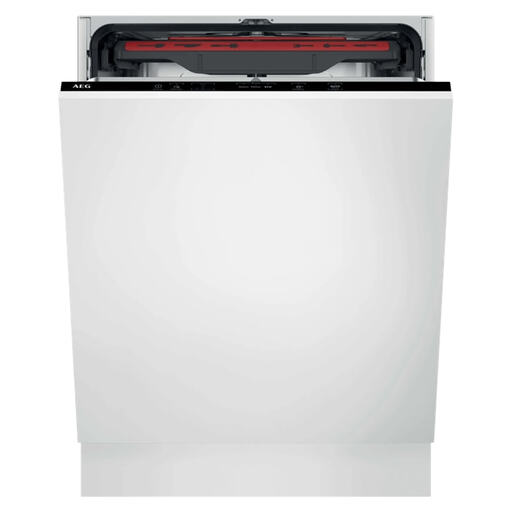 Image unavailable
Worth considering if your kitchen is designed for a fully integrated appliance and you’re looking for a listed capacity of 14 place settings.
The product details list 10.5 L of water per eco cycle and 0.75 kWh per eco cycle. They also mention sliding hinges and eco, intensive, automatic, quick and machine-care programmes. Check that the space and installation are suitable.
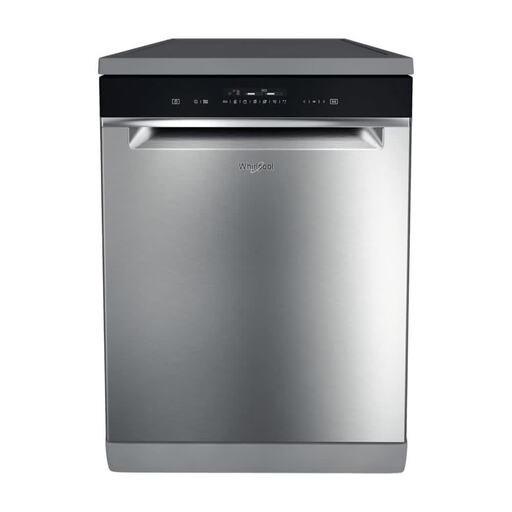 Image unavailable
Worth considering if you’re looking for a freestanding model for larger everyday loads, with a listed capacity of 14 place settings.
The product details list 9.5 L of water per eco cycle and 75 kWh per 100 eco cycles. They also list 11 programmes, including eco, intensive and half-load, as well as an adjustable upper basket.
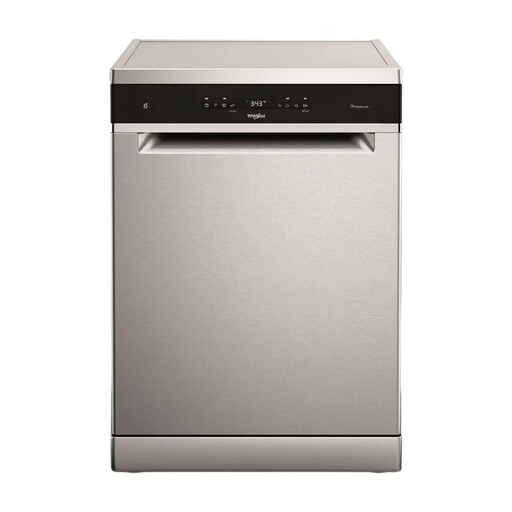 Image unavailable
Worth considering if you want a freestanding appliance listed for 14 place settings, with a separate cutlery drawer.
The product details list 41 dB(A), 9.5 L of water per eco cycle and 11 programmes. Check the dimensions and connections required for your space.
 Image unavailable
Worth considering if you’re looking for a freestanding model listed for 14 place settings and want to compare the programmes available.
The product details list 9.5 L of water per cycle and a stated noise level of 46 dB. They also list six programmes, including eco, intensive, express and Push&Go. The latter is described as an 85-minute wash-and-dry cycle at 50 °C.
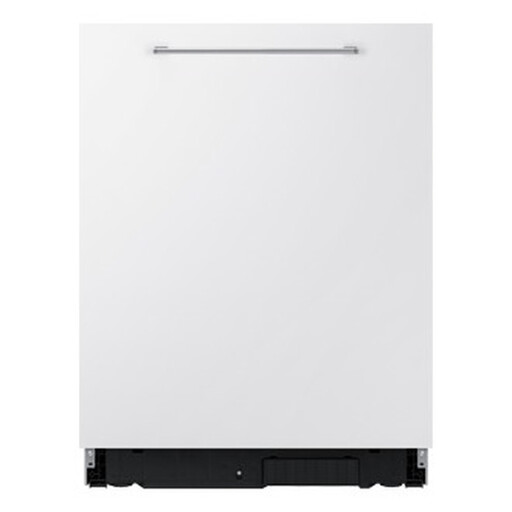 Image unavailable
Worth considering if your kitchen is fitted for an integrated appliance and a listed capacity of 13 place settings suits the loads you usually wash.
The product details list 44 dB(A), a floor light and a basket with three height settings. They also mention express and hygiene programmes, as well as downloadable cycles. Check that the space and installation are suitable.
Locate the water inlet, waste outlet and electrical connection, then check their positions against the instructions for the exact model. Measure the available space too. If any work is needed, ask for a separate quote from the connection service on offer.
Not in the case of Bob: manual filling replaces the water inlet, but the manufacturer still requires the drain hose to be connected. Plan its route and check the instructions for securing it in the guide for your appliance.
To compare energy labels, scale the energy figure for 100 eco cycles to match the number of cycles you expect to run. Multiply the water use per cycle by the same number. These figures apply to the eco programme; other cycles and how you use the appliance can affect actual consumption.
For a new dishwasher covered by European rules, the energy label must be displayed at the point of sale, including online. The European Commission says it uses a scale from A to G and gives details including energy use per 100 eco cycles, water use per cycle, eco programme duration, capacity and noise level. In France, the repairability index must also be provided for applicable new dishwashers, according to Service Public.
No. It tells you about repairability, based in part on factors such as documentation, dismantling and parts availability. It doesn’t measure how long the appliance will last or guarantee that it won’t break down.