Who is this guide for?
The right place to start depends on whether your main challenge is finding room for the appliance, loading the dishes from your meals or replacing a built-in model.
Small household with limited kitchen space
If there isn’t enough width for a standard appliance, consider a 45 cm model. A compact dishwasher may also suit a tight space, provided you check where it can be positioned, its capacity and its connections. Que Choisir compares 45 cm models, while Electrolux offers a compact range designed for smaller kitchens.
Household that eats at home every day
Consider how much washing up builds up between cycles, including oven dishes and saucepans. The stated number of place settings alone doesn’t tell you how easy the dishwasher is to load. Que Choisir recommends looking at capacity and layout in relation to how your household will use it.
Household replacing an appliance in a fitted kitchen
Measure the existing housing space and check the door panel, fixings and connections before choosing a built-in model. The dimensions Bosch publishes for its freestanding and fully integrated models show why ‘60 cm’ alone isn’t enough to confirm compatibility.
Which criteria should you consider first?
To narrow down the options, start with the space available and the amount of washing up produced between cycles. Once you’ve established these two things, you can compare programmes and energy and water use.
Freestanding
Consider this if: you have floor space available and don’t need a furniture door fitted.
Keep in mind: the appliance will be visible, and its full dimensions must fit your kitchen.
Built-in or semi-integrated
Consider this if: you want the appliance fitted into a housing space with a compatible door panel.
Keep in mind: the units, fixings and installation require extra checks. Bosch recommends using a professional to install a built-in dishwasher.
Slimline
Consider this if: width is limited but there’s still room for a floor-standing appliance.
Keep in mind: check that the baskets can fit larger dishes and saucepans, even if the stated number of place settings suits your household.
Compact countertop model
Consider this if: space is very limited and you can’t install a floor-standing appliance.
Keep in mind: check the instructions for the specific model to confirm where it can be positioned, its usable capacity and how it connects.
| Criteria |
What to check |
Who is this useful for? |
| Capacity |
Compare the stated place settings with the amount of washing up you have between cycles, then check the basket layout for larger items. |
When dishes and saucepans pile up, I want to fit everything in without running extra cycles. Around 29% of consumers would put capacity at the top of their list of needs. |
| Space and installation |
Check the appliance’s full dimensions and, for built-in models, the dimensions of the housing space. Also check the water inlet, waste outlet and socket. |
In a fitted kitchen, I first need to know whether the new appliance will fit and can be connected. This would be the top priority for around 29% of consumers. |
| Running costs |
Compare the kWh per 100 cycles and litres per Eco cycle on the labels, then use the same washing frequency for each model. |
If the dishwasher runs regularly, I want to understand what water and electricity will cost me. Around 24% of consumers would make this their main concern. |
| Routine and maintenance |
Check the Eco programme’s duration, how easy the filters are to access and the care instructions. Check the model’s leak protection separately. |
With meals and other household tasks to fit in, I want a cycle and maintenance routine that suit my day-to-day life, without overlooking water-related precautions. Around 18% of consumers would prioritise this. |
According to ADEME, the energy figure on the label is given in kWh per 100 reference cycles. These figures, along with the litres per Eco cycle, give you a consistent basis for comparing appliances. Your household’s costs will also depend on how often you wash and your local tariffs. You should also compare the stated capacity with the items you actually use.
Brands to compare by model
These ranges offer a starting point for comparing formats. Their features won’t necessarily apply to every model from the same brand.
Bosch
Bosch’s French range of freestanding and fully integrated models lets you compare dimensions, baskets and Eco programme figures separately.
- Model specifications include details such as the appliance’s dimensions.
- According to Bosch, AquaStop responds to certain leaks. Whether it’s included and the warranty terms depend on the model you choose, and it doesn’t replace correct installation.
Beko
Beko’s 45 cm range is worth considering if you have limited kitchen width.
- Beko states that some models in this range can hold up to 10 place settings.
- Check the baskets, capacity and any options, such as a half-load setting, on the model you choose.
Miele
Miele’s range includes freestanding and integrated appliances, worth exploring if basket layout or integration matters to you.
- Depending on the model, Miele offers cutlery drawers and a range of washing or drying functions.
- These features, like energy ratings, vary from one model to another.
Electrolux
Electrolux offers compact dishwashers designed for small kitchens and limited spaces.
- A compact model is worth considering if there’s no room for a floor-standing appliance.
- Check the instructions for the model you’re considering to confirm its dimensions, capacity and connections.
Dishwashers to explore on Joybuy
These models are mainly suited to households with space for a freestanding appliance; a built-in model may also suit a fitted kitchen. Compare the stated capacity with your usual washing up, then check the dimensions, connections and label for the model you choose.
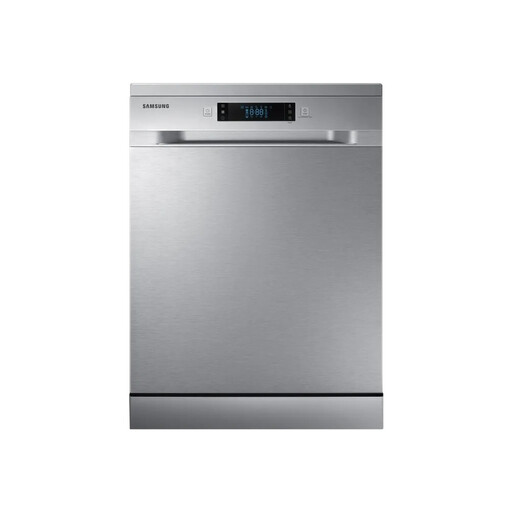 Image unavailable
Samsung DW60M6050FS, freestanding, 14 place settings, grey
Worth considering if your everyday dishes regularly fill a freestanding dishwasher of this capacity.
The product description states 14 place settings and 7 programmes. Before comparing running costs, check the Eco programme figures on the label for the model being sold. Also measure the space and check the connections.
View on Joybuy
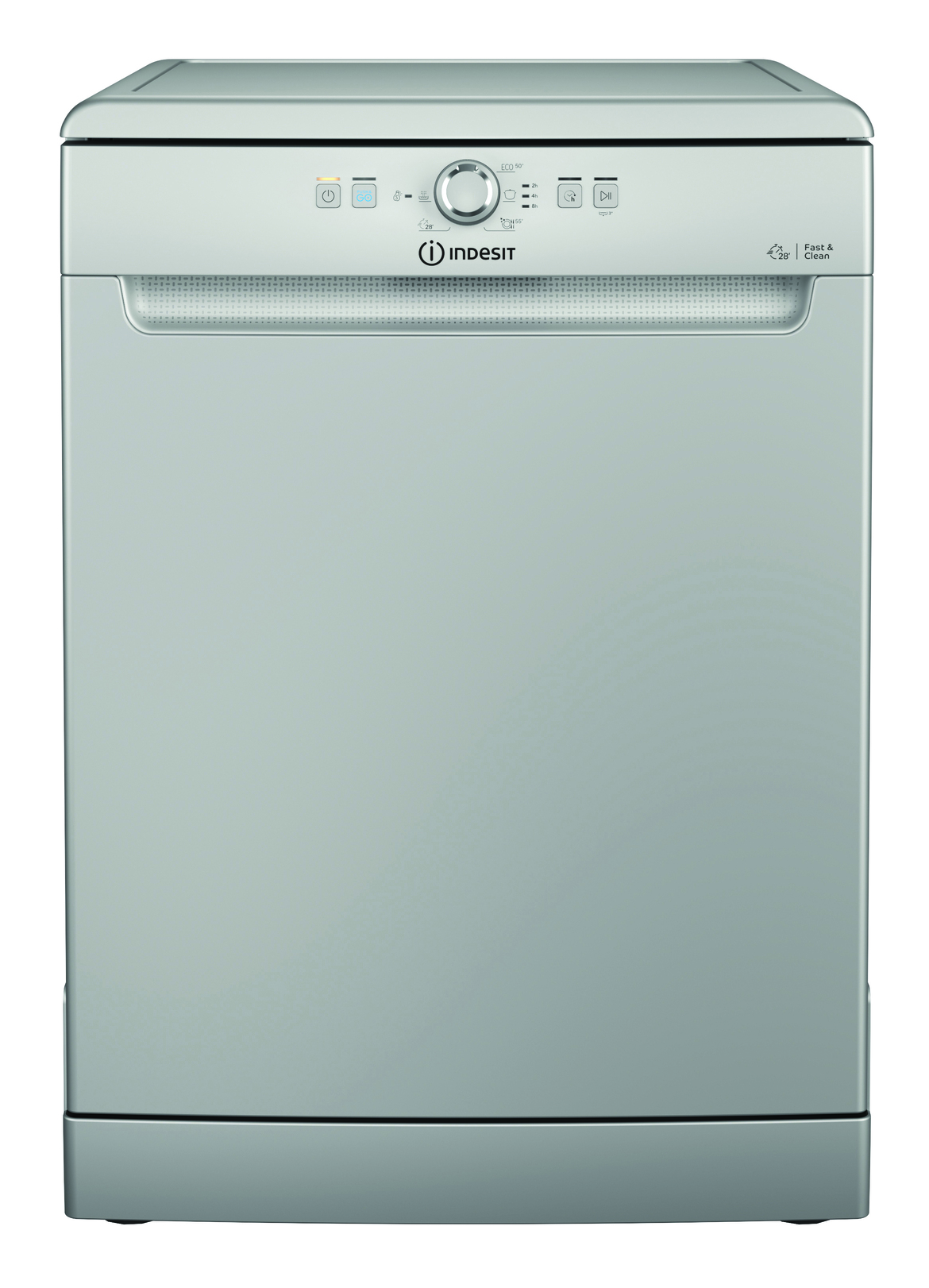 Image unavailable
Indesit D2F HK26 S, freestanding, 60 cm, 14 place settings
Consider this size if you want to regularly load the dishes from your meals into a freestanding appliance.
The product description states a width of 60 cm, 14 place settings and an energy rating of E. Confirm the full dimensions and connections. To compare running costs, also check the kWh per 100 cycles and litres per Eco cycle on the label.
View on Joybuy
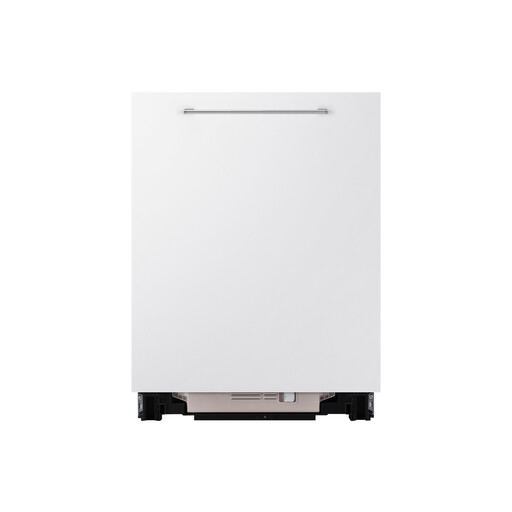 Image unavailable
Samsung DW80H72YBB0U1, built-in, 60 cm, 13 place settings
Worth considering as a replacement dishwasher in a fitted kitchen, provided the housing space and door panel are compatible.
The product description states 13 place settings and an energy rating of B. Check the appliance dimensions, door panel, fixings and connections against the instructions, and consult the label for Eco cycle consumption figures.
View on Joybuy
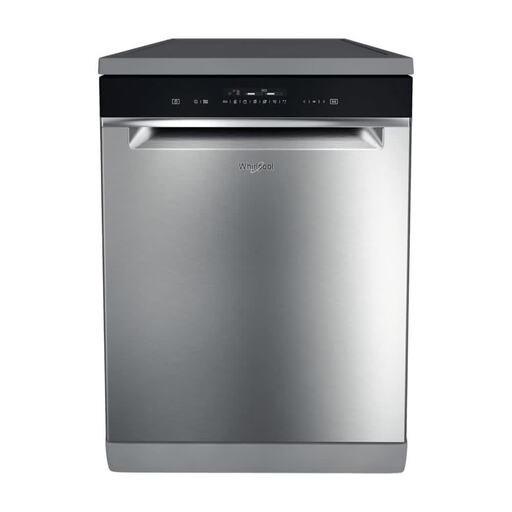 Image unavailable
Whirlpool WFP5O41PLGX, freestanding, 14 place settings
This model is worth considering for regular loads, but take particular care to check its measurements before deciding where to install it.
The product description states 14 place settings and an energy rating of C. Its nominal width is 60 cm, but other dimensions associated with the model don’t appear to match this figure. Check the exact measurements in the instructions before making space for it, and check the Eco figures on the label too.
View on Joybuy
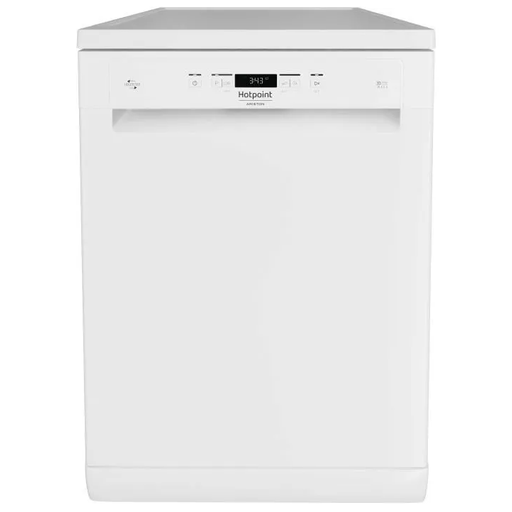 Image unavailable
Hotpoint H4FD641A, freestanding, 60 cm, 14 place settings
Consider this if you’re looking for a stated capacity of 14 place settings for everyday meals and have enough room for a freestanding appliance.
The product description states 60 cm, 41 dB and an energy rating of C. Check the model’s dimensions and connections, and use its Eco label to compare water and energy consumption on the same basis as other appliances.
View on Joybuy
Frequently asked questions
How can I compare the water and electricity used by two dishwashers?
Use the Eco programme figures on each label and compare them using the same number of cycles per year. For electricity, convert the kWh per 100 cycles into a per-cycle figure, then apply your washing frequency and electricity tariff. Do the same for water, using the litres per cycle and your local water tariff. ADEME explains this basis for comparing energy use; detergent and maintenance are separate costs.
What should I check before installing a dishwasher?
Check the water inlet, waste outlet and a suitable electrical socket, as well as space for the hoses and a stable position for the appliance. Whirlpool lists these three essential connections. For a built-in model, also measure the housing space and check that the door panel is compatible with the model’s instructions.
Does leak protection eliminate the risk of water damage?
No. Leak protection doesn’t replace correctly installed and checked connections. According to Bosch, AquaStop can detect certain leaks and shut off the water supply, but you should check its limitations and warranty terms for the model in question.
When should I use the Eco programme for everyday dishes?
The Eco programme is worth considering for normally soiled dishes if its duration suits your routine. Bosch notes that it can take a long time, so check the duration shown on the model’s label rather than choosing a programme by its name alone.
Is the number of place settings enough to choose the right capacity?
No. Compare the stated number of place settings with the dishes that build up between washes, then check whether the baskets can fit your plates and saucepans. Que Choisir includes capacity among its buying criteria, but the layout also needs to suit the items your household uses.


