
Livraison le jour même ou le lendemain

Qualité garantie

Débloquez vos offres de bienvenue: Livraison GRATUITE | Jusqu'à -80 % | 30 jours d'essai gratuits à JoyPlus
Téléchargez l'application
By the Joybuy Team, Our Product Experts – Published August 27, 2026
Choosing a dish sponge? It seems simple enough. That is, until you discover a frustrating scratch on your brand-new non-stick pan, or find your sponge disintegrating after just a few uses. The cleaning aisle is overflowing with promises, but not all sponges are created equal. Before you fill your basket, it pays to know the common pitfalls that can turn this seemingly simple purchase into a daily disappointment.
The most common pitfall? The "delicate surfaces" sponge that actually damages fragile coatings like those on ceramic hobs. Another classic letdown is poor durability. The scouring pad peels away from the foam after a few heavy-duty washes, rendering the sponge useless. To avoid these issues, you just need to pay closer attention to the sponge's materials and design. This is the key to choosing a product that truly meets your needs.
Just a few technical details are all you need to make an informed decision. These are the factors that make all the difference between an effective sponge and a purchase you'll instantly regret.
This is the core of its performance. The abrasive side determines both its effectiveness and its potential for damage. Not all scouring surfaces are designed for the same jobs.
The soft, absorbent side also plays a key role, primarily in absorption and wiping.
Hygiene is paramount. A machine-washable sponge (usually at 40°C or 60°C) is an excellent way to keep it sanitary for longer, limit bacterial growth, and extend its lifespan. It's also a more economical and eco-friendly choice in the long run. Remember to check for this feature on the packaging, especially if you're buying a pack of sponges.
Instead of an endless list, we've selected products that cater to specific needs. This will help you find the sponge that truly fits your daily routine.
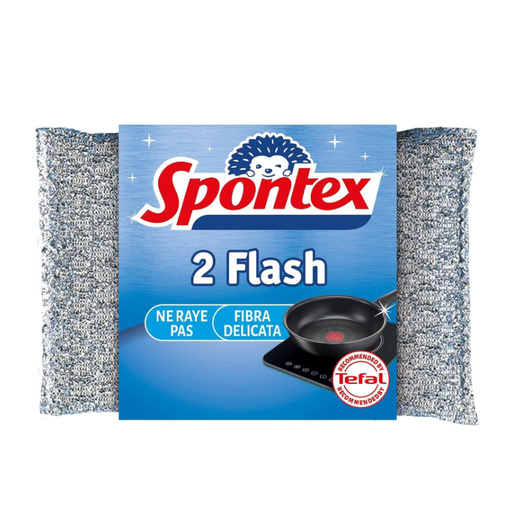
Why we recommend it: Perfect for pots and pans with non-stick coatings, induction hobs, or fragile dishes. In short, it offers peace of mind with every wash.
It puts an end to the false promises of "non-scratch" claims. Its technology, based on soft plastic fibres coated in aluminium, is specifically designed to clean without ever scratching. Its recommendation by Tefal is a true seal of approval.
Impressively effective yet gentle, it rinses clean easily and stays fresh for longer.
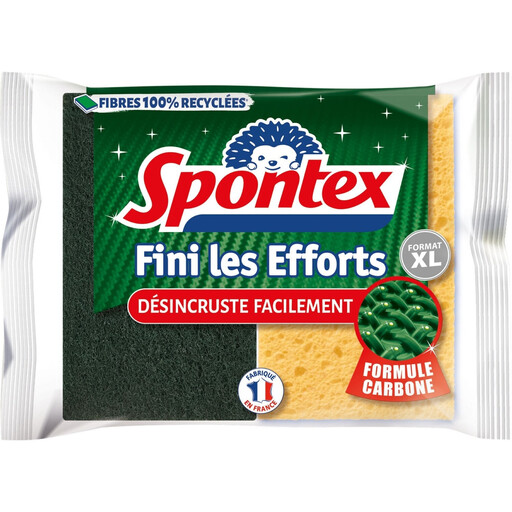
Why we recommend it: For tackling burnt-on food, grimy barbecue grills, and stubborn residues. This is your go-to ally for extreme cleaning tasks.
This sponge doesn't pretend to be an all-rounder. It embraces its power and durability, avoiding the trap of "all-purpose" models that fail on tough messes. The carbon reinforcement is a guarantee of heavy-duty resistance.
An ultra-durable scouring surface that removes the most stubborn grime without wearing out.
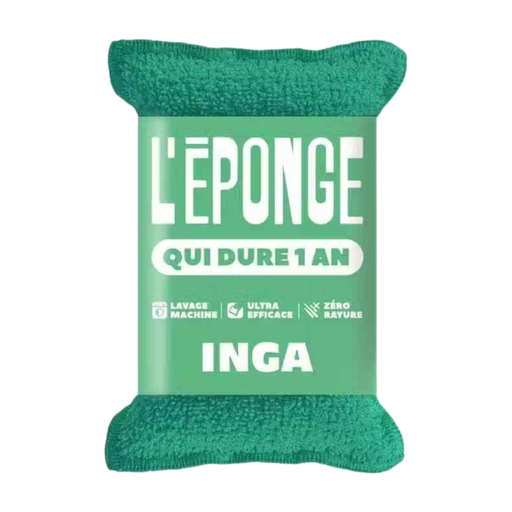
Why we recommend it: For anyone conscious of their environmental impact and looking to reduce waste. A single sponge designed to last up to a year is a significant alternative to disposable ones.
It tackles the "greenwashing" trap head-on by offering a tangible environmental benefit: long-term reusability. It's a washable and eco-friendly sponge by design, not just through vague marketing promises.
Reusable for up to a year, dishwasher-safe for perfect hygiene, and remains effective without scratching.
Discover our full selection of products that meet our strict selection criteria and current standards.
For hygiene reasons, it's recommended to replace a standard sponge every two weeks or so, or as soon as it shows signs of wear or develops persistent odours. For a washable sponge, the lifespan is obviously much longer. You should replace it when the scouring side loses its effectiveness or the sponge loses its shape. The best practice is to rinse and wring it out thoroughly after each use and let it air dry.
Most washable sponges can be put in the dishwasher or washing machine at 40°C or 60°C. A weekly wash is a good routine. For a deep clean, you can also soak it for a few minutes in a mixture of water and white vinegar or in diluted bleach (following the manufacturer's instructions).
Yes, a bathroom sponge is typically designed for specific needs. For example, some models have an abrasive side that is more effective against limescale and an ergonomic shape designed to reach tricky corners (taps, shower grout), while still being non-scratch for enamel and ceramic tiles.