
Livraison le jour même ou le lendemain

Qualité garantie

Débloquez vos offres de bienvenue: Livraison GRATUITE | Jusqu'à -80 % | 30 jours d'essai gratuits à JoyPlus
Téléchargez l'application
Buying a dish sponge? It seems like a simple task. Yet, who hasn't cursed a sponge that disintegrates after three uses, scratches a brand-new non-stick pan, or leaves the kitchen smelling musty in less than a week? Choosing the right sponge isn't just about cleanliness. It's a smart move to protect your cookware and save money.
Before you fill your basket, let's break down the most common pitfalls. Behind promises of powerful performance often lie critical deal-breakers:
Fortunately, knowing a few key criteria is all it takes to make an informed choice and say goodbye to these frustrations.
To stop choosing your sponge at random, there are three key points to check. They determine its effectiveness, lifespan, and versatility.
The sponge's raw material directly impacts its absorbency and longevity.
The scouring side is essential for deep kitchen cleaning, but be aware that not all are created equal.
A sponge's lifespan is both an economic and ecological consideration.
To help you make the right choice, we've selected products that meet specific needs, based on the criteria we've just outlined.
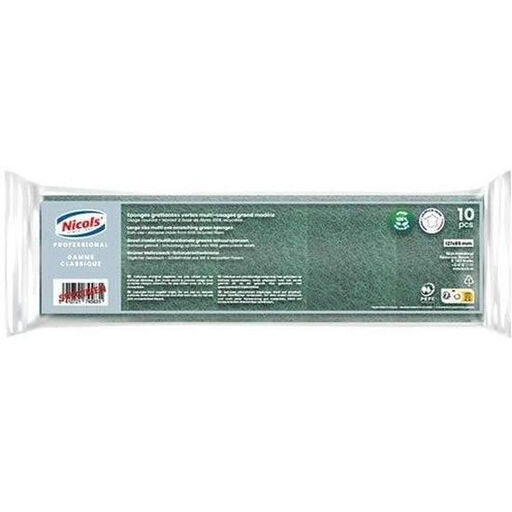
The Verdict: Ideal for those who prefer to change sponges frequently for maximum hygiene without breaking the bank. This value pack provides a comfortable stock for all household chores, from the kitchen to the bathroom.
This multi-pack format offers unbeatable value, making frequent replacement highly economical. No more hassle with expensive, single-pack sponges that wear out too quickly.
A classic and effective multi-purpose solution: a soft side for wiping and a green scouring side to tackle tough stains on non-delicate surfaces.
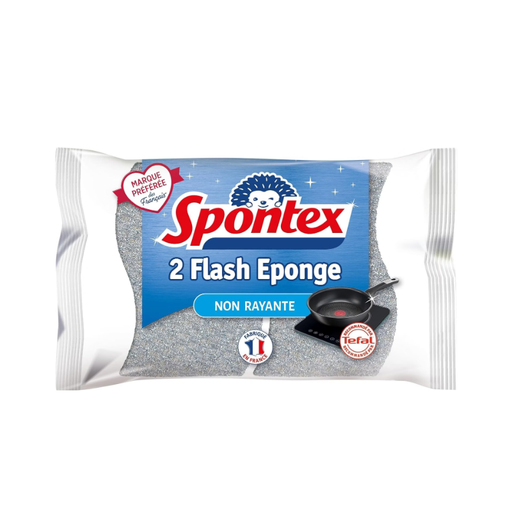
The Verdict: A must-have for anyone using non-stick pans, ceramic hobs, or delicate dishes. This model is specifically designed to scour effectively without ever scratching.
It directly addresses the #1 problem: scratches. Its special scouring surface lifts dirt while being gentle enough to preserve the integrity of your cookware.
A non-scratch sponge with proven effectiveness (it's recommended by Tefal, a leading name in cookware). Bonus: it's machine washable at 40°C for perfect hygiene.
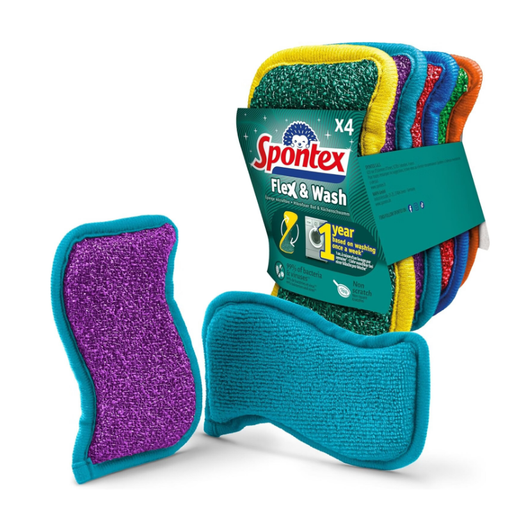
The Verdict: The perfect solution for environmentally conscious consumers looking for a sustainable alternative. This model is designed to last, replacing dozens of disposable sponges.
It directly tackles throwaway culture and recurring expenses. A single pack can last up to a year, offering an economical and eco-friendly alternative to repeatedly buying sponges.
A reusable and machine-washable sponge (up to 52 times). It combines a non-scratch scouring side with a microfibre side. The icing on the cake: the packaging is plastic-free.
Discover our full selection of products that meet our selection criteria and current safety standards.
For impeccable hygiene, it's recommended to replace a classic sponge every one to two weeks. To keep it sanitary for as long as possible, rinse it well after each use, wring it out, and let it air dry.
It's simple but crucial. After each use, rinse it to remove residue and soap, then let it dry. For a deep clean, follow the manufacturer's instructions: most models, like the Spontex Flex & Wash sponge, can be machine washed at 40°C or 60°C. This simple step eliminates bacteria and extends its lifespan.
Yes, and the difference is significant. Some models incorporate specific technology. The anti-grease sponge from Spontex, for example, has a special treatment that prevents grease from embedding in the fibres. As a result, dirt rinses away much more easily. The sponge stays cleaner and more effective for far longer than a standard model.